Lemon-Dill Baked Salmon Parcels
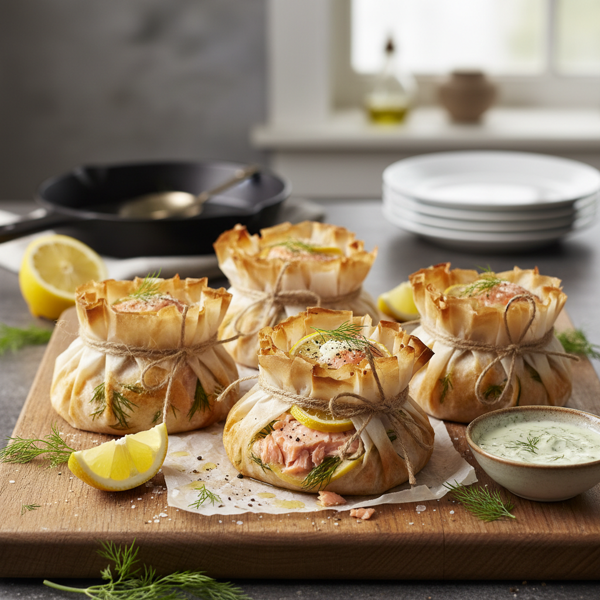
Indulge in a delightful and healthy meal with these Lemon-Dill Baked Salmon Parcels. This straightforward recipe utilizes a toaster oven to create tender, flaky salmon infused with zesty lemon and aromatic dill. With the convenience of wrapping the salmon in foil, cleanup is a breeze! Perfectly paired with a vibrant stir-fry or served over a bed of fresh spinach, this dish offers versatility and freshness in every bite. Enjoy the leftovers cold in a crisp salad the next day, enhancing your meal with bright flavors that linger.
2
Servings
N/A
Calories
4
Ingredients
Ingredients
Lemon Juice
1 tablespoon (Freshly squeezed, or bottled.)
Dried Dill
1 teaspoon (Crushed or whole.)
Salmon Fillets
280 g (Skin-on or skinless, cut into two pieces.)
Olive Oil
1 tablespoon (Extra virgin recommended.)
Instructions
1
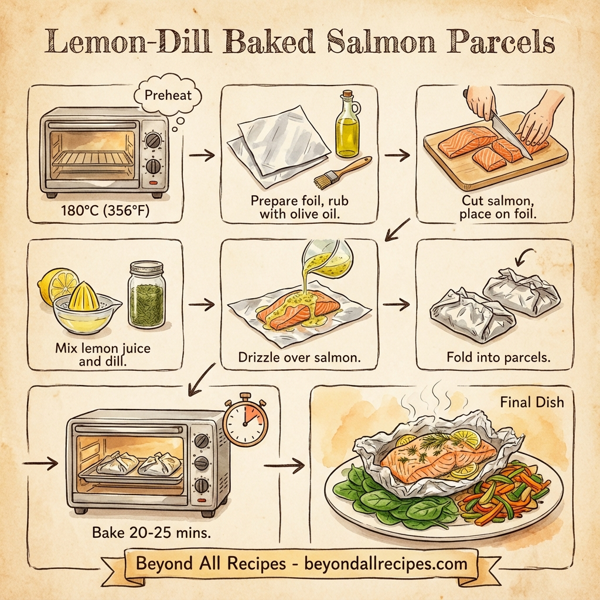
Preheat your toaster oven to 180°C (356°F).
2
Prepare two sheets of aluminum foil, roughly 12 inches by 12 inches, and rub each with 1/2 tablespoon of olive oil to prevent sticking.
3
Cut the salmon fillet into two equal pieces and place one piece on each prepared sheet of foil.
4
In a small bowl, combine the lemon juice and dried dill. Mix well to ensure the flavors meld together.
5
Evenly drizzle the lemon and dill mixture over the salmon fillets, allowing the tangy mixture to enhance the fish's natural flavors.
6
Carefully fold the sides of the foil to create secure parcels around the salmon, ensuring they are tightly sealed.
7
Place the wrapped salmon parcels onto the toaster oven tray and bake for 20 to 25 minutes, or until the salmon flakes easily with a fork.
8
Once cooked, remove the parcels from the oven and let them rest for a minute before opening. Serve warm over fresh spinach leaves or alongside your favorite stir-fried vegetables for an exciting and nutritious meal.
Nutrition Information
Frequently Asked Questions
Frequently Asked Questions
What is Lemon-Dill Baked Salmon Parcels?
It is a simple and healthy seafood dish where salmon fillets are seasoned with lemon and dill, wrapped in foil, and baked to perfection in a toaster oven.
How many servings does this recipe make?
This recipe is designed to yield 2 servings.
What is the recommended cooking temperature for the salmon?
The toaster oven should be preheated to 180°C (356°F).
How long does it take to bake the salmon parcels?
The salmon should be baked for 20 to 25 minutes.
What ingredients are required for this recipe?
You will need 280g of salmon fillets, 1 tablespoon of lemon juice, 1 teaspoon of dried dill, and 1 tablespoon of olive oil.
Can I use a standard oven instead of a toaster oven?
Yes, you can follow the same temperature and timing in a standard conventional oven.
Is this recipe considered healthy?
Yes, it is a healthy meal rich in protein and omega-3 fatty acids, using minimal fat.
Can I substitute fresh dill for dried dill?
Yes, you can use fresh dill; generally, you should use three times the amount of fresh herbs compared to dried.
Should the salmon fillets have the skin on or off?
This recipe works well with either skin-on or skinless salmon fillets.
How do I prevent the salmon from sticking to the foil?
Rub each sheet of aluminum foil with half a tablespoon of olive oil before placing the salmon on it.
What is the purpose of wrapping the salmon in foil?
The foil parcels lock in moisture and steam the fish, ensuring it remains tender and flavorful while making cleanup easy.
Can I use frozen salmon for this recipe?
Yes, but ensure the salmon fillets are completely thawed and patted dry before preparation.
Is this recipe suitable for a low-carb diet?
Yes, this recipe is naturally low in carbohydrates and keto-friendly.
What are some recommended side dishes for this salmon?
It pairs perfectly with fresh spinach leaves or a vibrant vegetable stir-fry.
How do I know when the salmon is finished cooking?
The salmon is done when it is opaque and flakes easily when tested with a fork.
Can I use lime juice instead of lemon juice?
Yes, lime juice can be used as a substitute for a slightly different citrus flavor profile.
How should I store any leftovers?
Store leftovers in an airtight container in the refrigerator for up to two days.
Can the leftovers be eaten cold?
Yes, the cold salmon is excellent when flaked over a fresh garden salad the next day.
How much prep time is required?
The prep time is minimal, requiring only a few minutes to season the salmon and wrap the parcels.
Can I add other seasonings to the salmon?
Certainly, you can add garlic, black pepper, or a pinch of salt to customize the flavor.
Is this dish gluten-free?
Yes, all the ingredients listed are naturally gluten-free.
What size foil sheets should I use?
Sheets roughly 12 inches by 12 inches are recommended to ensure they can be sealed tightly.
Why is it important to let the salmon rest after baking?
Letting it rest for a minute allows the juices to redistribute, ensuring the fish is moist when served.
Can I use other types of fish with this method?
Yes, this method works well with other flaky fish like trout or cod, though cooking times may vary by thickness.
Do I need to use extra virgin olive oil?
While extra virgin olive oil is recommended for flavor, any cooking oil will work to prevent sticking.
How do I apply the lemon and dill?
Mix them in a small bowl first, then drizzle the mixture evenly over the fillets.
Is this a good recipe for beginners?
Yes, it is an extremely straightforward and beginner-friendly recipe with very few steps.
Can I double the recipe for four people?
Yes, simply double the ingredients and prepare four separate foil parcels.
How difficult is the cleanup?
Cleanup is very easy because the cooking happens inside the foil, leaving the tray clean.
Can I cook vegetables inside the foil parcel with the salmon?
Yes, thin-sliced vegetables like asparagus or zucchini can be added to the parcel to cook alongside the fish.