Umami-Infused Hibachi Dressing
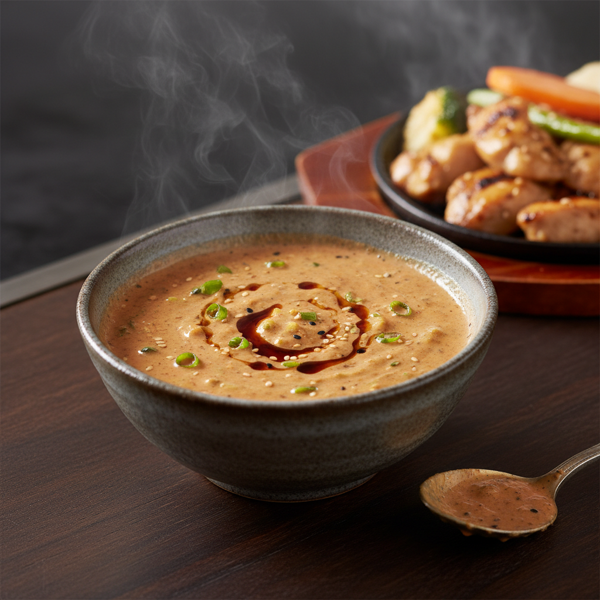
Elevate your salads with this delicious Umami-Infused Hibachi Dressing, inspired by traditional Japanese flavors. Perfectly balanced with fresh ginger, garlic, and low sodium soy sauce, this dressing is sure to enhance any salad with its savory and tangy qualities. Easy to make, this dressing combines fresh, wholesome ingredients to provide a zesty kick while maintaining a light consistency. Share it with friends and family or enjoy it every day for a vibrant, healthy addition to your meals.
4
Servings
55
Calories
8
Ingredients
Ingredients
Fresh Ginger
1 1/2 tablespoons (grated)
Tomato Paste
1 tablespoon (none)
Onion
1/4 (chopped)
Carrot
1 medium (cut into rounds)
Oil
3 tablespoons (none)
Rice Wine Vinegar
2-3 tablespoons (none)
Garlic
1 clove (grated)
Low Sodium Soy Sauce
1 1/2 tablespoons (none)
Instructions
1
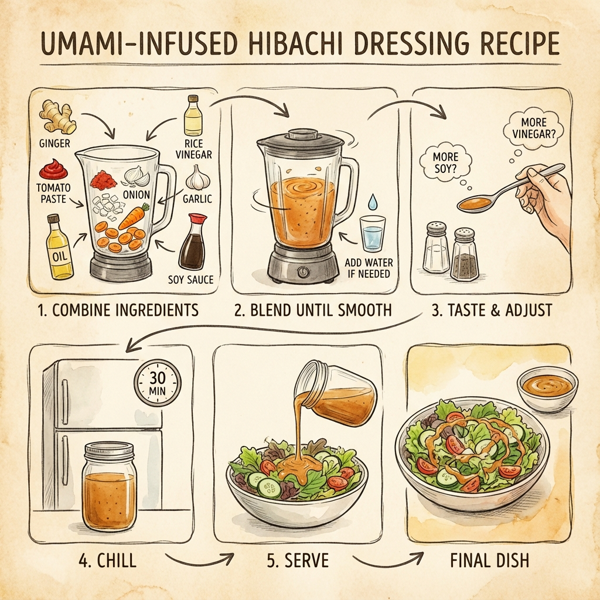
In a blender, combine the grated ginger, tomato paste, chopped onion, carrot rounds, oil, rice wine vinegar, grated garlic, and low sodium soy sauce.
2
Blend the mixture until smooth and creamy. If the dressing is too thick, add a small amount of water gradually until the desired consistency is achieved.
3
Taste the dressing and adjust seasoning if necessary; you can add more soy sauce or vinegar according to your preference.
4
Transfer the dressing to a clean jar or airtight container and refrigerate for at least 30 minutes to allow the flavors to meld.
5
Serve over mixed greens or your favorite salad for a refreshing and flavorful boost.
Nutrition Information
5.5g
Fat
3g
Carbs
0.5g
Protein
Frequently Asked Questions
Frequently Asked Questions
What is Umami-Infused Hibachi Dressing?
It is a savory and tangy Japanese-inspired salad dressing made with fresh ginger, garlic, and low sodium soy sauce.
What are the primary ingredients in this dressing?
The main ingredients include fresh ginger, tomato paste, onion, carrot, oil, rice wine vinegar, garlic, and low sodium soy sauce.
Is this hibachi dressing vegan-friendly?
Yes, this recipe is vegan as it contains no animal products.
How many calories are in a single serving?
Each serving contains approximately 55 calories.
How many servings does this recipe provide?
This recipe makes 4 servings.
What is the fat content per serving?
There are 5.5 grams of fat per serving.
How many carbohydrates are in this dressing?
There are 3 grams of carbohydrates per serving.
Does this dressing contain protein?
Yes, there is approximately 0.5 grams of protein per serving.
What equipment is needed to make this recipe?
You will need a blender to combine and smooth the ingredients.
How do I prepare the ginger for this dressing?
The fresh ginger should be grated before being added to the blender.
Do I need to cook the carrots first?
No, the recipe uses raw carrot rounds that are blended into the mixture.
What type of soy sauce is recommended?
The recipe specifically calls for low sodium soy sauce.
How much oil is used in the dressing?
The recipe requires 3 tablespoons of oil.
How much rice wine vinegar should I add?
You can use between 2 and 3 tablespoons of rice wine vinegar depending on your taste preference.
What should I do if the dressing is too thick?
If the consistency is too thick, gradually add a small amount of water until it reaches your desired consistency.
How long should the dressing sit before serving?
It is recommended to refrigerate the dressing for at least 30 minutes to let the flavors meld.
How should I store the leftover dressing?
Store the dressing in a clean jar or airtight container in the refrigerator.
Can I adjust the seasoning?
Yes, you can taste the dressing and add more soy sauce or vinegar to suit your preference.
What type of onion should I use?
The recipe calls for 1/4 of a chopped onion; a white or yellow onion works well.
How much garlic is included?
The recipe uses 1 clove of grated garlic.
What does the tomato paste add to the recipe?
The tomato paste contributes to the savory umami flavor and the rich color of the dressing.
What is the best way to serve this dressing?
Serve it over mixed greens or your favorite fresh salad.
Is this a quick recipe to make?
Yes, it is classified as a quick recipe since it mostly involves blending ingredients.
Is there any added sugar in this recipe?
No, this recipe does not include any added refined sugar.
What cuisine does this dressing belong to?
This is an Asian-inspired dressing, specifically following Japanese Hibachi style flavors.
How many total ingredients are used?
There are 8 ingredients in total.
Is this dressing gluten-free?
To make it gluten-free, ensure you use a gluten-free certified low sodium soy sauce or tamari.
Why is it called 'Umami-Infused'?
It is called umami-infused due to the savory depth provided by the soy sauce, tomato paste, and aromatics like garlic and ginger.
What is the texture of the finished dressing?
The dressing should be smooth and creamy after blending.
Can I use this as a marinade?
While designed as a dressing, its savory profile also makes it a great marinade for vegetables or proteins.