Ultimate Reverse Sear Rib Eye Roast
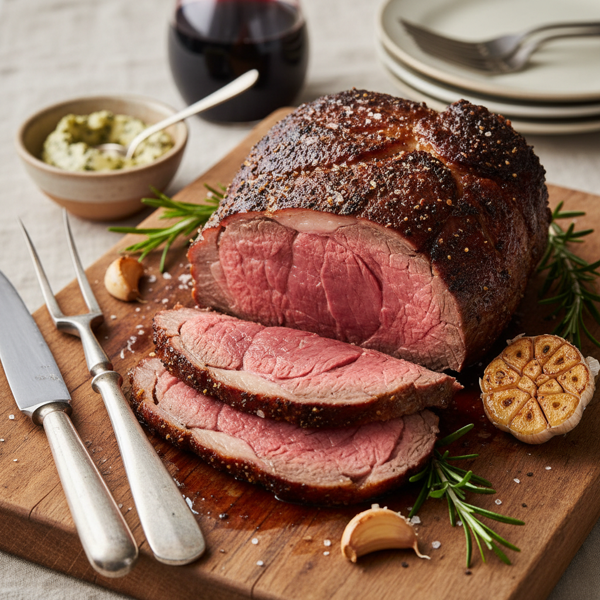
Transform your next gathering with this foolproof recipe for a succulent rib eye roast or prime rib that dazzles the senses and highlights the rich flavors of the beef. Drawing inspiration from the renowned Ree Drummond and the innovative reverse sear method, this recipe ensures perfectly cooked meat, whether you prefer rare or medium. Ideal for special occasions or family dinners, the roast boasts a beautifully browned crust with juicy, tender interiors that will impress your guests. Feel free to experiment with herbs and spices, but remember that simplicity is paramount, allowing the beef to take center stage. Prepare for minimal drippings, which makes it wise to plan a delicious gravy or Au Jus on the side. With straightforward steps and the ability to use a countertop roaster, this roast is as easy as it is delicious. Whether it's your first time or your hundredth, enjoy a stress-free cooking experience that guarantees a mouthwatering result.
N/A
Servings
N/A
Calories
5
Ingredients
Ingredients
Rib Eye Roast or Prime Rib Roast
10 lbs (none)
Kosher Salt
1 cup (none)
Peppercorns
1/2 cup (crushed)
Fresh Rosemary
4 sprigs (chopped)
Fresh Thyme
6 sprigs (chopped)
Instructions
1
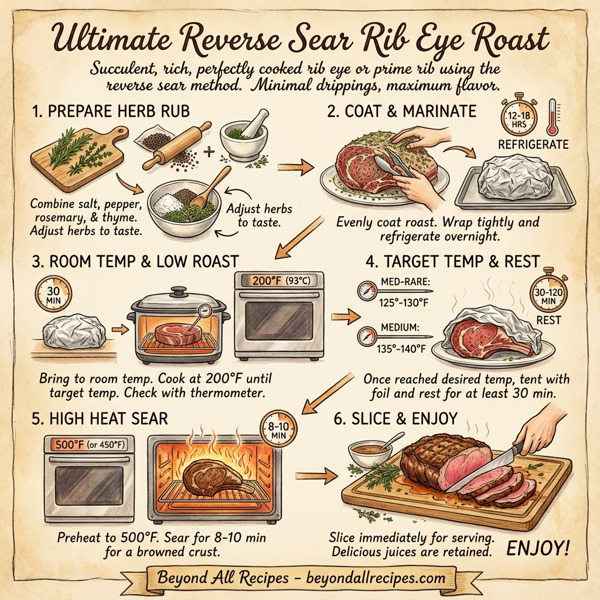
Begin by crushing the peppercorns in a bag using a rolling pin, or opt for a food processor or spice grinder for a finer texture. Chop the fresh rosemary and thyme finely. In a mixing bowl, combine the kosher salt, crushed pepper, chopped rosemary, and thyme, ensuring everything is well blended. Remember, the salt and pepper are essential, while the herbs can be adjusted to your liking.
2
Evenly coat the entire surface of the roast with the spice mixture. If necessary, add more salt and pepper to achieve a complete coating.
3
Wrap the seasoned roast tightly in aluminum foil and place it on a baking sheet. Refrigerate overnight, or for a minimum of 12 hours (up to 18 hours is ideal). Although covering the roast while marinating is optional, it helps infuse the flavors.
4
Remove the roast from the refrigerator at least 30 minutes before cooking, allowing it to come to room temperature for more even cooking.
5
Preheat your oven or countertop roaster to 200°F (93°C). During this time, ensure your roasting rack is also heated.
6
Place the roast uncovered on the heated roasting rack. Cook for approximately 25 minutes per pound for medium-rare (target temperature of 125°F to 130°F), or 30 minutes per pound for medium (135°F to 140°F). Avoid the temptation to peek! Use an instant-read thermometer to check the internal temperature about one hour before the estimated cooking time, and then again 30 minutes later. The temperature is what matters most.
7
Once the desired temperature is reached, tent the roast loosely with aluminum foil and allow it to rest for at least 30 minutes. This critical step enables the juices to redistribute throughout the meat. Resting can last up to 2 hours, but an hour is preferred for optimal flavor retention.
8
Preheat your oven to 500°F (or 450°F if you are multitasking with other dishes). Roast the meat for 8-10 minutes to achieve a rich, browned crust. This step will not further cook the interior of the roast.
9
You can slice the roast immediately without losing juices, allowing for a convenient serving experience either at the table or just before serving.
Nutrition Information
Frequently Asked Questions
Frequently Asked Questions
What is the Ultimate Reverse Sear Rib Eye Roast?
It is a foolproof recipe for succulent beef that uses a low-temperature cooking method followed by a high-heat finish to ensure a perfect crust and juicy interior.
Which cuts of meat are recommended for this recipe?
You can use either a Rib Eye Roast or a Prime Rib Roast for this recipe.
How should I prepare the spice rub?
Combine 1 cup of kosher salt, 1/2 cup of crushed peppercorns, 4 sprigs of chopped fresh rosemary, and 6 sprigs of chopped fresh thyme.
What is the best way to crush the peppercorns?
You can crush them in a bag using a rolling pin, or use a food processor or spice grinder for a finer texture.
Are the herbs mandatory in the spice rub?
Salt and pepper are essential for the crust, but the rosemary and thyme can be adjusted or omitted based on your preference.
How much spice rub should I apply?
You should evenly coat the entire surface of the roast. If necessary, add more salt and pepper to ensure a complete coating.
How long should the roast marinate in the refrigerator?
The roast should be refrigerated for a minimum of 12 hours, but 18 hours is considered ideal for flavor infusion.
Should the roast be covered while marinating?
Yes, wrap the seasoned roast tightly in aluminum foil before placing it on a baking sheet in the refrigerator.
Do I need to let the meat sit out before cooking?
Yes, remove the roast from the refrigerator at least 30 minutes before cooking to allow it to come to room temperature.
What temperature should the oven be set to initially?
Preheat your oven or countertop roaster to a low temperature of 200°F (93°C).
Should the roasting rack be preheated?
Yes, ensure your roasting rack is inside the oven or roaster so that it is heated when you place the meat on it.
How long do I cook the roast for a medium-rare finish?
Cook for approximately 25 minutes per pound to reach a target temperature of 125°F to 130°F.
How long do I cook the roast for a medium finish?
Cook for approximately 30 minutes per pound to reach a target temperature of 135°F to 140°F.
Should I peek at the roast while it is cooking?
Avoid the temptation to peek. Consistency in temperature is key to the reverse sear method.
When should I start checking the internal temperature?
Use an instant-read thermometer about one hour before the estimated cooking time ends, then again 30 minutes later.
How long should the roast rest after the first stage of cooking?
The roast must rest for at least 30 minutes, but one hour is preferred for optimal flavor retention.
How should I cover the meat while it rests?
Tent the roast loosely with aluminum foil during the resting period.
Can the resting period last longer than an hour?
Yes, the meat can rest for up to 2 hours if necessary.
What temperature is used for the final sear?
Preheat your oven to 500°F, or 450°F if you are cooking other dishes at the same time.
How long does the searing process take?
Roast the meat at the high temperature for 8 to 10 minutes to achieve a browned crust.
Will the high-heat sear overcook the inside of the beef?
No, this short burst of high heat is designed to brown the crust and will not further cook the interior of the roast.
When can I slice the roast after searing?
Because the meat has already rested before the sear, you can slice it immediately after the high-heat stage.
Will there be enough drippings for gravy?
The reverse sear method results in minimal drippings, so it is recommended to plan a separate gravy or Au Jus.
Can I use a countertop roaster for this recipe?
Yes, a countertop roaster works perfectly for the low-temperature phase of this recipe.
How much salt does the recipe require?
The recipe calls for 1 cup of kosher salt for a 10 lb roast.
Is the reverse sear method good for beginners?
Yes, it is considered a foolproof and stress-free way to cook a large roast perfectly.
What is the primary goal of the reverse sear method?
The goal is to highlight the rich flavors of the beef and achieve a perfectly even internal temperature.
How many sprigs of fresh thyme are needed?
The recipe requires 6 sprigs of fresh thyme, finely chopped.
How many sprigs of fresh rosemary are needed?
The recipe requires 4 sprigs of fresh rosemary, finely chopped.
What size roast is this recipe written for?
The ingredient amounts and cooking times are based on a 10 lb roast.