Ultimate Gluten-Free Thin Crust Pizza
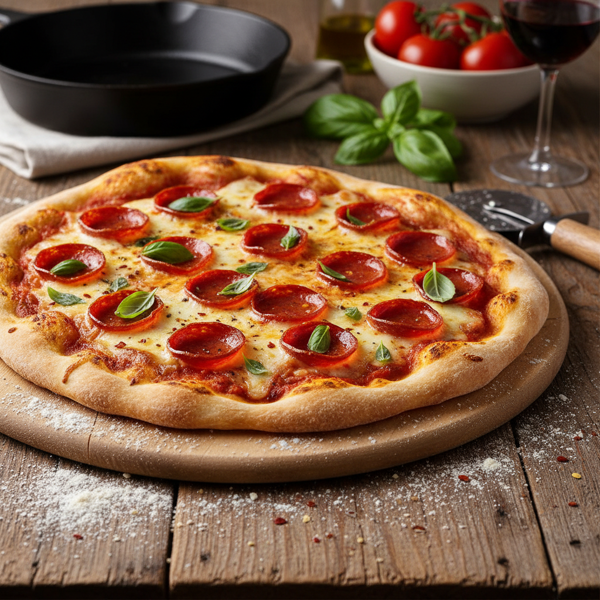
Savor the joys of pizza once again with this Ultimate Gluten-Free Thin Crust Pizza! Crafted specifically for those avoiding gluten, this recipe yields a wonderfully light and crispy crust that's perfect for any topping you desire. Pair it with a luscious garlic butter blend, a generous sprinkling of parmesan, and gooey mozzarella to unleash the best flavors reminiscent of your favorite pizzeria. Whether you're hosting a pizza night or craving a late-night snack, this crust stands out, especially when baked on a pizza stone for an authentic finish. Enjoy delicious pizzas without compromise!
N/A
Servings
350
Calories
10
Ingredients

Ingredients
Yeast
1.5 teaspoons (Active dry yeast)
Sugar
1 teaspoon (Granulated sugar)
Tepid Water
1 cup (Divided into two 1/2 cup portions)
Rice Flour
2/3 cup (Finely ground)
Potato Starch
1/2 cup (For binding and texture)
Potato Flour
1 tablespoon (For added moistness)
Shortening
1.5 teaspoons (Melted)
Cornmeal
As needed (For dusting)
Garlic Powder
Optional (To taste)
Italian Seasoning
Optional (To taste)
Instructions
1
Preheat your oven to 450°F (230°C) and place your pizza stone inside to heat up.
2
In a small bowl, combine the yeast, sugar, and 1/2 cup of tepid water. Allow this mixture to rest for about 5-10 minutes, or until it becomes frothy and has doubled in size.
3
In a larger mixing bowl, whisk together the rice flour, potato starch, potato flour, shortening, and optional seasonings (garlic powder and Italian seasoning).
4
Once the yeast has risen, add it to the dry ingredients along with the remaining 1/2 cup of tepid water. Mix until a sticky dough forms.
5
Grease your fingers with a little oil and transfer the dough onto a pizza stone that has been generously sprinkled with cornmeal. Using your fingers, gently spread the dough evenly across the stone, keeping it as thin as possible without tearing.
6
Place the prepared dough in the preheated oven and bake for 15 minutes, or until the crust is slightly golden.
7
Remove the crust from the oven, add your favorite pizza toppings generously, and return it to the oven for an additional 10 minutes, or until the cheese is bubbling and golden.
8
For an extra touch, drizzle with garlic butter after baking to elevate the flavor even further.
Nutrition Information
4g
Fat
70g
Carbs
6g
Protein
2g
Fiber
1g
Sugar
Frequently Asked Questions
Frequently Asked Questions
Is this pizza crust gluten-free?
Yes, this recipe is specifically crafted using rice flour, potato starch, and potato flour to be 100% gluten-free.
What is the texture of this gluten-free pizza crust?
This recipe yields a wonderfully light and crispy thin crust.
What temperature should I preheat my oven to?
The oven should be preheated to 450°F (230°C).
Do I need a pizza stone for this recipe?
While a pizza stone is recommended for an authentic crispy finish, you can use a regular baking sheet if one is not available.
How long does the yeast need to rest?
The yeast, sugar, and water mixture should rest for about 5-10 minutes until it becomes frothy.
What types of flour are used in this crust?
The recipe uses a combination of finely ground rice flour, potato starch, and potato flour.
How do I prevent the dough from sticking to my fingers?
Grease your fingers with a little oil before spreading the dough onto the pizza stone.
Why is cornmeal used in this recipe?
Cornmeal is sprinkled on the pizza stone to prevent the dough from sticking and to add a classic texture.
How long do I bake the crust before adding toppings?
The crust should be pre-baked for 15 minutes or until it is slightly golden.
How long do I bake the pizza after adding the toppings?
After adding toppings, return the pizza to the oven for an additional 10 minutes.
Can I add seasonings directly to the dough?
Yes, you can add optional garlic powder and Italian seasoning to the dry ingredients for extra flavor.
What is the purpose of the shortening?
Melted shortening is added to the dough to help with the consistency and texture of the thin crust.
How many calories are in a serving of this pizza crust?
Each serving contains approximately 350 calories.
Is this recipe suitable for vegetarians?
Yes, the base recipe for the crust is vegetarian.
What kind of yeast is required?
The recipe calls for 1.5 teaspoons of active dry yeast.
How much water is needed for the dough?
A total of 1 cup of tepid water is used, divided into two 1/2 cup portions.
What is the fat content of this recipe?
The recipe contains 4g of fat.
How many carbohydrates are in a serving?
There are 70g of carbohydrates per serving.
What is the protein content of the crust?
The crust provides 6g of protein per serving.
How much sugar is in the dough?
The recipe uses 1 teaspoon of sugar, resulting in 1g of sugar per serving.
What is the benefit of using potato flour?
Potato flour is used in this gluten-free blend to add moistness to the dough.
Can I make this crust without a mixer?
Yes, you can whisk the dry ingredients and mix the dough by hand until a sticky consistency forms.
How thin should I spread the dough?
Spread it as thin as possible across the stone without tearing the dough.
What should I do to the crust after the final bake?
For extra flavor, drizzle the finished pizza with garlic butter.
Is this recipe considered easy?
Yes, it is tagged as an easy recipe suitable for homemade pizza nights.
What is the fiber content?
This recipe contains 2g of fiber.
What toppings are recommended?
The recipe suggests a garlic butter blend, parmesan, and mozzarella, but you can use any favorite toppings.
How do I know when the cheese is done?
The pizza is ready when the cheese is bubbling and has turned a golden color.
What is the role of potato starch in this recipe?
Potato starch is used for binding the ingredients and improving the overall texture of the gluten-free crust.
Can I use cold water for the yeast?
No, you should use tepid water to ensure the yeast activates and froths correctly.