Ultimate Fluffy Amish Dinner Rolls
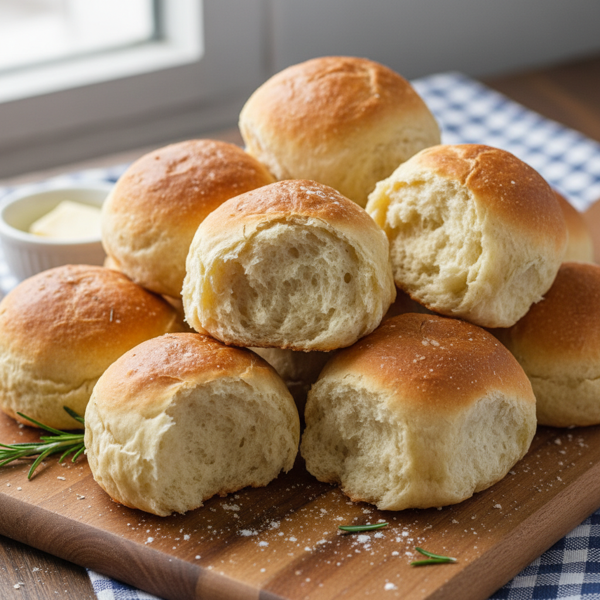
These Ultimate Fluffy Amish Dinner Rolls are a delightful addition to any meal, bringing warmth and comfort to the table. Inspired by a classic recipe from King Arthur Flour, this amended version utilizes instant mashed potato flakes to ensure you can whip up these glorious rolls at a moment's notice. Sweet and buttery, these rolls can be enjoyed plain or slathered with your favorite spreads. The flexibility of this recipe allows for whole wheat flour substitutions while still delivering incredible softness and flavor. Perfect for family gatherings or simply enjoying fresh out of the oven, these rolls are sure to become a cherished favorite in your home. This recipe accommodates various serving sizes, making it great for any occasion, and the dough's versatility ensures that whether you’re making traditional or pull-apart rolls, you’ll impress your guests with homemade goodness.
N/A
Servings
N/A
Calories
9
Ingredients
Ingredients
water
1 1/3 cups (Warm slightly)
eggs
2 (Beaten)
butter
6 tablespoons (Melted)
sugar
1/3 cup (Granulated)
salt
1 1/2 teaspoons (Table salt)
powdered milk
1 tablespoon (Dry powder)
potato flakes
2/3 cup (Instant)
all-purpose flour
4 1/4 cups (Sifted)
bread machine yeast
2 1/2 teaspoons (Active dry yeast)
Instructions
1
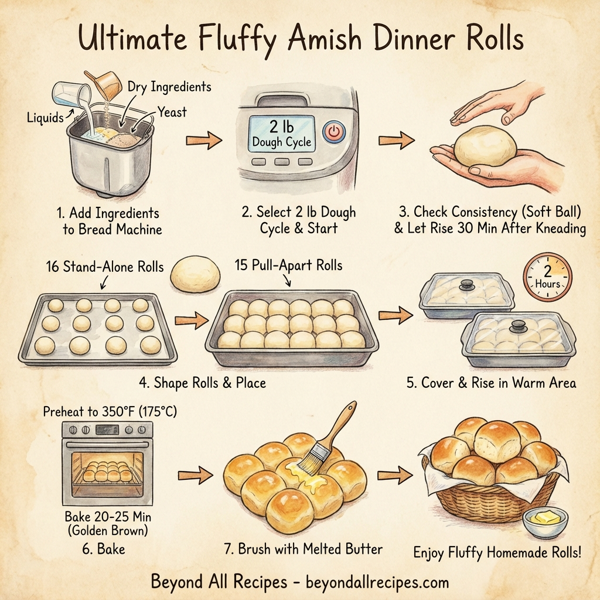
Begin by adding all the ingredients into the pan of your bread machine according to the manufacturer's instructions, typically placing liquids first and the yeast last.
2
Select the 2 lb dough cycle and press Start.
3
About 10 minutes prior to the end of the kneading cycle, check the dough's consistency. If needed, adjust it by adding a little more water or flour until it forms a soft, smooth ball.
4
Once the kneading cycle is complete, let the dough sit in the machine for an additional 30 minutes or until it doubles in size.
5
To shape the rolls, divide the dough into either 16 equal pieces for stand-alone rolls or 15 pieces for soft-sided pull-apart rolls. For smaller rolls, you can divide the dough into 24 pieces.
6
If making standalone rolls, place the 16 dough balls onto a parchment-lined or lightly greased baking sheet, ensuring 2 inches of space between each. For pull-apart rolls, arrange the 15 balls in a greased 9 x 13-inch pan, spacing them evenly in groups.
7
Cover the pan(s) with a proof cover or lightly greased plastic wrap, or use a clean dish towel, and allow the rolls to rise in a warm area for about 2 hours or until puffed.
8
Preheat your oven to 350°F (175°C). Once risen, bake the rolls for 20 to 25 minutes until they turn golden brown. If using a convection oven, bake on the convection setting for approximately 18 minutes.
9
Remove the rolls from the oven and flip them out of the pan. Brush the warm rolls with melted butter, if desired, for an extra touch of richness.
Nutrition Information
Frequently Asked Questions
Frequently Asked Questions
What makes Ultimate Fluffy Amish Dinner Rolls so soft?
The use of instant mashed potato flakes in the dough is the secret to their incredible softness and fluffy texture.
Can I use a bread machine for this recipe?
Yes, this recipe is specifically designed to be made using a bread machine for the kneading and initial rising stages.
What setting should I use on my bread machine?
You should select the 2 lb dough cycle on your bread machine.
Can I substitute whole wheat flour in this recipe?
Yes, the recipe allows for whole wheat flour substitutions while still maintaining softness and flavor.
How many rolls does this recipe make?
You can make 16 standalone rolls, 15 pull-apart rolls, or 24 smaller rolls depending on how you divide the dough.
What temperature should the oven be set to?
Preheat your oven to 350°F (175°C) for baking these rolls.
How long do the rolls need to bake?
Bake the rolls for 20 to 25 minutes, or approximately 18 minutes if using a convection oven.
Do I need to let the dough rise after the bread machine cycle?
Yes, let the dough sit in the machine for an additional 30 minutes after the cycle ends until it doubles in size.
What is the second rising time for the shaped rolls?
After shaping the rolls, they should rise in a warm area for about 2 hours or until puffed.
Should I add the ingredients in a specific order?
Follow your bread machine manufacturer's instructions, which typically suggest liquids first and yeast last.
How do I adjust the dough consistency?
Check the dough 10 minutes before the end of kneading; add a little water if too dry or flour if too sticky to form a smooth ball.
What size pan should I use for pull-apart rolls?
Use a greased 9 x 13-inch pan for 15 pull-apart style rolls.
Can I brush the rolls with butter?
Yes, brushing the warm rolls with melted butter after baking adds an extra touch of richness.
Are these rolls suitable for vegetarians?
Yes, these rolls are vegetarian-friendly.
What type of yeast is required?
The recipe calls for 2 1/2 teaspoons of bread machine yeast or active dry yeast.
Do the eggs need preparation?
The 2 eggs should be beaten before being added to the bread machine.
How much sugar is in the recipe?
The recipe uses 1/3 cup of granulated sugar, giving the rolls a pleasant sweetness.
Can I use regular milk instead of powdered milk?
The recipe specifies 1 tablespoon of dry powdered milk; substituting liquid milk would require adjusting the water content.
How much space should I leave between standalone rolls?
Place standalone rolls on a baking sheet with at least 2 inches of space between each dough ball.
Should the water be a specific temperature?
The water should be warmed slightly before being added to the bread machine.
What type of flour is best for these rolls?
The recipe calls for 4 1/4 cups of sifted all-purpose flour.
Can I use parchment paper for baking?
Yes, you can use a parchment-lined baking sheet for the standalone rolls.
What kind of butter should I use?
The recipe requires 6 tablespoons of melted butter.
How do I know the rolls are finished baking?
The rolls are done when they turn a beautiful golden brown.
Should I remove them from the pan immediately?
Yes, once removed from the oven, flip them out of the pan and brush with butter while warm.
What if I don't have a bread machine?
While written for a machine, you can knead the dough by hand or with a stand mixer and follow standard rise times.
Are these rolls good for sandwiches?
Yes, their fluffy texture and slight sweetness make them excellent for sliders or small sandwiches.
What is the texture of the finished rolls?
The rolls are incredibly soft, light, and airy thanks to the potato flakes and butter.
Can I make the dough ahead of time?
You can refrigerate the dough after the first rise, then shape and let rise again before baking.
What kind of salt is used?
The recipe calls for 1 1/2 teaspoons of standard table salt.