Ultimate Flaky Pie Crust
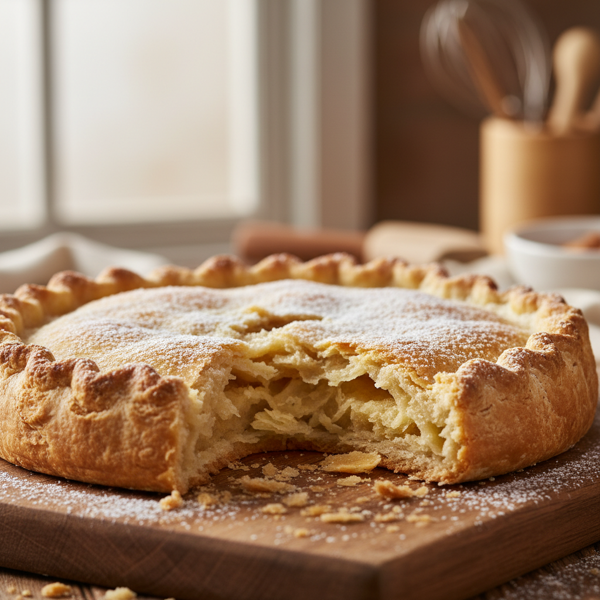
Indulge in the perfection of this Ultimate Flaky Pie Crust recipe that promises a buttery and tender base for your sweet and savory pies. Ideal for pumpkin, apple, or your favorite cream pies, this crust is made with both flour and chilled butter to ensure a delightful texture and rich flavor. Whether you're baking for a holiday gathering or a casual family dinner, this recipe will elevate your pies to new heights. Share the joy of homemade pie crust with loved ones, and enjoy the compliments on your baking skills!
16
Servings
N/A
Calories
7
Ingredients
Ingredients
All-purpose flour
4 cups (unsifted)
Granulated sugar
1 tablespoon (none)
Salt
2 teaspoons (none)
Chilled butter or shortening
1 3/4 cups (cut into small pieces; butter preferred)
White vinegar
1 tablespoon (none)
Large egg
1 (beaten)
Cold water
1/2 cup (none)
Instructions
1
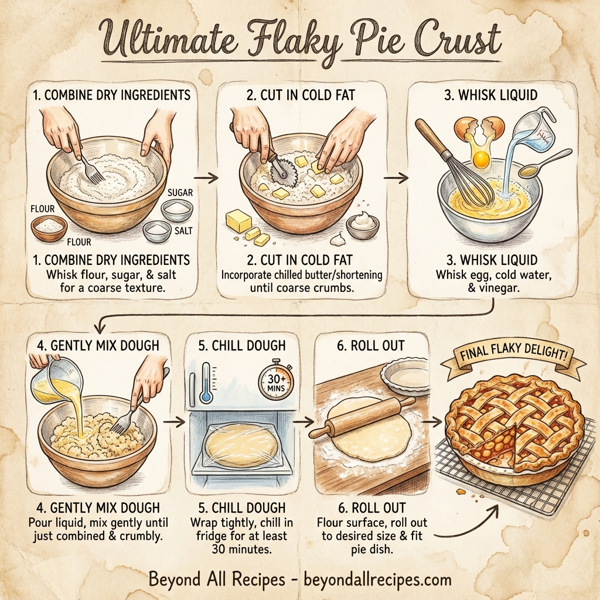
In a large mixing bowl, combine the flour, sugar, and salt using your fingers or a fork until evenly integrated and coarse in texture.
2
Add the chilled butter (or shortening) pieces into the flour mixture. Use your fingers or a pastry cutter to incorporate the fat until the mixture resembles coarse crumbs, taking care not to overwork it to maintain flakiness.
3
In a separate bowl, whisk together the beaten egg, cold water, and vinegar until well combined.
4
Pour the egg mixture into the flour mixture, gently mixing with a fork or spatula until just combined. The dough should appear slightly crumbly and barely hold together. Avoid over-mixing.
5
Wrap the dough tightly in plastic wrap, ensuring no air escapes. Chill in the refrigerator for at least 30 minutes to allow the moisture to distribute evenly and the dough to firm up.
6
When ready to use, flour your work surface liberally. Roll out the dough to your desired thickness, ensuring it is large enough to fit your pie dish. If the dough becomes too warm or sticky, return it to the refrigerator for a few minutes before continuing to roll.
Nutrition Information
Frequently Asked Questions
Frequently Asked Questions
What is the secret to making this pie crust flaky?
The secret to a flaky crust is using chilled butter or shortening and taking care not to overwork the dough, which maintains small pockets of fat.
How much flour is required for the Ultimate Flaky Pie Crust?
The recipe calls for 4 cups of unsifted all-purpose flour.
Can I use shortening instead of butter in this recipe?
Yes, you can use 1 3/4 cups of either chilled butter or shortening, though butter is preferred for flavor.
Why is vinegar included in the pie crust ingredients?
White vinegar is added to help tenderize the dough and prevent gluten development, ensuring a tender crust.
How long should the dough chill in the refrigerator?
The dough should be chilled for at least 30 minutes to allow moisture to distribute and the fat to firm up.
Is this pie crust suitable for savory pies?
Yes, this versatile crust is ideal for both sweet pies like pumpkin and apple, as well as savory options.
How many servings does this recipe provide?
This recipe makes enough dough for approximately 16 servings.
Do I need to sift the flour before measuring?
No, the recipe specifies using 4 cups of unsifted all-purpose flour.
What role does the egg play in this recipe?
The beaten egg adds richness, color, and structural integrity to the pastry dough.
How should the butter be prepared before adding it to the flour?
The butter should be chilled and cut into small pieces before being incorporated into the mixture.
What should the texture look like after adding the fat?
The mixture should resemble coarse crumbs once the butter or shortening is properly incorporated.
Can I use a pastry cutter for this recipe?
Yes, you can use either your fingers or a pastry cutter to incorporate the fat into the flour.
How much water is needed for the dough?
The recipe requires 1/2 cup of cold water.
What should I do if the dough becomes too sticky while rolling?
If the dough becomes too warm or sticky, return it to the refrigerator for a few minutes before you continue rolling.
Should the dough be mixed until it is smooth?
No, the dough should appear slightly crumbly and barely hold together; over-mixing should be avoided.
How much salt is used in the Ultimate Flaky Pie Crust?
The recipe uses 2 teaspoons of salt.
Is there sugar in this pie crust recipe?
Yes, it contains 1 tablespoon of granulated sugar.
What type of vinegar should I use?
The recipe specifically calls for white vinegar.
How many ingredients are in this recipe?
There are 7 main ingredients: flour, sugar, salt, butter/shortening, vinegar, egg, and water.
Should the water be room temperature or cold?
The water must be cold to prevent the chilled butter from melting during the mixing process.
How should I wrap the dough for chilling?
Wrap the dough tightly in plastic wrap, ensuring no air escapes, before placing it in the refrigerator.
Can I use this for a cream pie?
Yes, this crust is excellent for your favorite cream pies.
How should I prepare the work surface for rolling the dough?
You should flour your work surface liberally to prevent the dough from sticking.
What is the first step in making the crust?
The first step is to combine the flour, sugar, and salt in a large mixing bowl using your fingers or a fork.
Can I use my fingers to mix the dough?
Yes, the instructions mention using your fingers to combine dry ingredients and incorporate the fat.
Is this a good recipe for holiday baking?
Absolutely, this crust is designed to elevate holiday pies like pumpkin and apple to new heights.
How much butter or shortening is needed?
The recipe requires 1 3/4 cups of chilled butter or shortening.
What texture should the final baked crust have?
The final crust is described as being buttery, tender, and delightfully flaky.
How large should the rolled-out dough be?
You should roll it out large enough to fit your specific pie dish at your desired thickness.
What is the best way to mix the wet and dry ingredients?
Gently mix them with a fork or spatula until just combined to avoid overworking the dough.