Ultimate Buttermilk Fried Chicken Breast
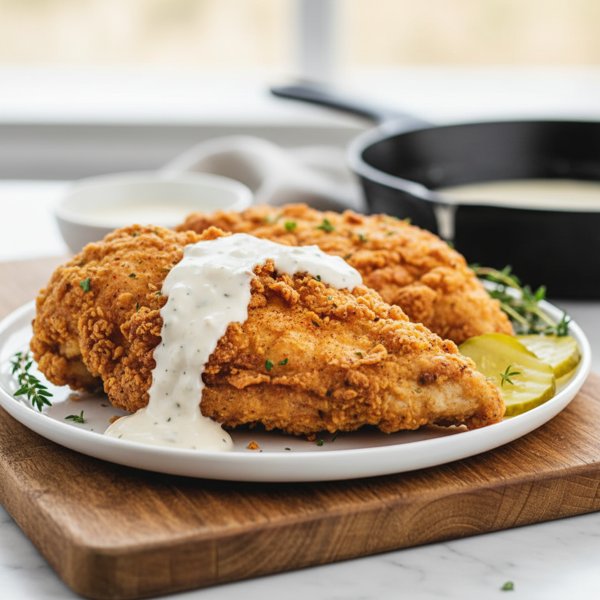
Elevate your dining experience with this Ultimate Buttermilk Fried Chicken Breast, a recipe designed to outshine fast food takeout. The secret to achieving the perfect tender and juicy chicken lies in the brining process, which works its magic with buttermilk. Allow the chicken to soak for 8 to 24 hours for optimal flavor and texture. This dish is perfect for serving fresh, but any leftovers can be generously piled into a crusty bun with a dollop of mayo, a dash of mustard, and a crisp leaf of lettuce for a delicious sandwich. While this recipe focuses on boneless, skinless chicken breasts for quick cooking and easy slicing, using bone-in pieces also yields fantastic results—just adjust frying times accordingly. Pair it with my famous side dish recipe #149547 for a complete meal that will become a household favorite. For those unable to find Old Bay seasoning, a simple swap with seasoning salt will work wonders. Get ready to impress your family and friends with this fried chicken that will leave them wanting more!
3
Servings
N/A
Calories
13
Ingredients
Ingredients
Boneless skinless chicken breasts
2.5 lbs (sliced in half)
Buttermilk
1 quart
Kosher salt
1 tablespoon
All-purpose flour
2 cups
Garlic powder
2-3 teaspoons (adjust to taste)
Cayenne pepper
1/4 teaspoon (optional; adjust to heat level)
Black pepper
1 teaspoon
Salt
3 teaspoons (reduce to 2 teaspoons if desired)
Old Bay seasoning
1 teaspoon
Marjoram
1/2 teaspoon
Dried thyme
1/2 teaspoon
Celery powder
1/4 teaspoon
Oil
for frying (do not use olive oil)
Instructions
1
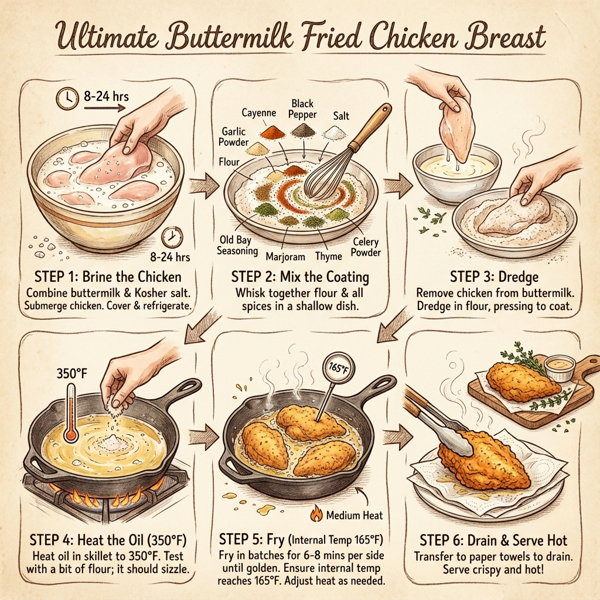
In a large bowl, combine the buttermilk and kosher salt. Add the chicken breasts, ensuring they are fully submerged. Cover and refrigerate for 8 to 24 hours to brine.
2
Once brined, prepare the coating by mixing together the flour, garlic powder, cayenne pepper (if using), black pepper, remaining salt, Old Bay seasoning, marjoram, thyme, and celery powder in a large shallow dish.
3
Remove the chicken from the buttermilk, allowing excess to drip off. Dredge each breast in the flour mixture, pressing lightly to ensure a good coating. Set aside on a clean plate.
4
Heat oil in a heavy-bottomed 10-inch skillet over medium heat until it reaches approximately 350°F. You can test the oil by dropping a bit of the flour mixture into it; if it sizzles, it’s ready.
5
Carefully add the coated chicken breasts to the skillet in batches, making sure not to overcrowd. Fry for about 6 to 8 minutes on each side, or until golden brown and cooked through. Use a meat thermometer to ensure the internal temperature reaches 165°F.
6
If the chicken is browning too quickly, reduce the heat as necessary to avoid burning. Once cooked, transfer the chicken to a plate lined with paper towels to drain excess oil.
7
Serve hot and enjoy your crispy, flavorful fried chicken breasts!
Nutrition Information
Frequently Asked Questions
Frequently Asked Questions
What is the secret to making this chicken tender and juicy?
The secret lies in the brining process using buttermilk, which helps tenderize the meat.
How long should I brine the chicken breasts?
You should allow the chicken to soak in the buttermilk brine for at least 8 to 24 hours for optimal flavor and texture.
What temperature should the oil be for frying?
The oil should reach approximately 350°F before adding the chicken.
What is the safe internal temperature for fried chicken breasts?
The internal temperature should reach 165°F as measured by a meat thermometer.
Can I use bone-in chicken pieces for this recipe?
Yes, you can use bone-in pieces, but you will need to adjust the frying times accordingly.
What can I use if I do not have Old Bay seasoning?
A simple swap with seasoning salt will work wonders if Old Bay is unavailable.
Should I use olive oil for frying the chicken?
No, you should use a high-smoke point oil; do not use olive oil for this recipe.
How long do I need to fry the chicken breasts on each side?
Fry the chicken for about 6 to 8 minutes on each side until golden brown.
How do I know if the oil is ready if I don't have a thermometer?
You can test the oil by dropping a small amount of the flour mixture into it; if it sizzles immediately, it is ready.
How many servings does this recipe provide?
This recipe is designed to yield 3 servings.
What is the best way to use leftovers?
Leftovers can be served in a crusty bun with mayo, mustard, and a crisp leaf of lettuce for a delicious sandwich.
What type of salt is used in the buttermilk brine?
One tablespoon of kosher salt is used for the brining step.
Is the cayenne pepper mandatory in the coating?
No, the cayenne pepper is optional and can be adjusted to your preferred heat level.
What type of flour is best for the coating?
This recipe uses 2 cups of all-purpose flour for the dredging mixture.
What should I do if the chicken is browning too quickly?
If the exterior is browning too fast, reduce the heat as necessary to prevent burning before the inside is cooked.
How much chicken is required for this recipe?
The recipe calls for 2.5 lbs of boneless skinless chicken breasts, sliced in half.
What amount of buttermilk is needed?
You will need 1 quart of buttermilk for the brine.
Should the chicken be submerged in the brine?
Yes, ensure the chicken breasts are fully submerged in the buttermilk and salt mixture.
What spices are included in the flour coating?
The coating includes garlic powder, cayenne, black pepper, salt, Old Bay, marjoram, dried thyme, and celery powder.
Can I reduce the amount of salt in the coating?
Yes, you can reduce the salt in the flour mixture to 2 teaspoons if desired.
What should I use to drain the oil after frying?
Once cooked, transfer the chicken to a plate lined with paper towels to drain excess oil.
How much garlic powder should I add?
Use 2-3 teaspoons of garlic powder, adjusted to your personal taste.
What type of pan is recommended for frying?
A heavy-bottomed 10-inch skillet is recommended for even heat distribution.
How much celery powder is used?
The recipe calls for 1/4 teaspoon of celery powder.
Is marjoram a required ingredient?
Yes, the recipe includes 1/2 teaspoon of marjoram for flavor.
How do I prep the chicken before dredging?
Remove the chicken from the buttermilk and allow any excess liquid to drip off before coating in the flour.
What is the amount of dried thyme needed?
The recipe requires 1/2 teaspoon of dried thyme.
Why do you press the chicken into the flour mixture?
Pressing lightly ensures the flour coating adheres well to the chicken for a crispy crust.
Should the chicken be refrigerated while brining?
Yes, the chicken must be covered and refrigerated for the entire 8 to 24 hour brining period.
What is the amount of black pepper used in the flour?
The recipe uses 1 teaspoon of black pepper in the coating.