Traditional German Pumpernickel Bread
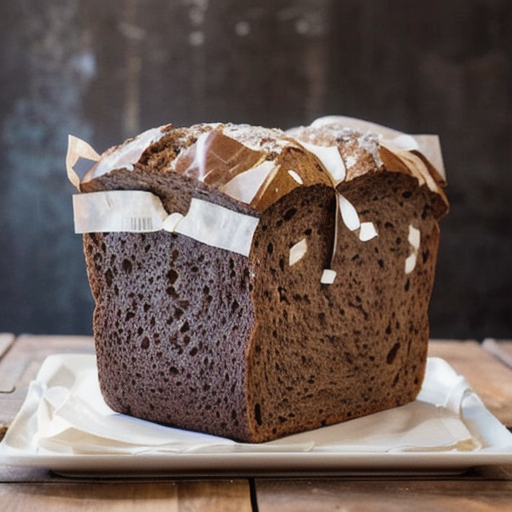
Experience the rich, deep flavors of this traditional German pumpernickel bread, made from wholesome rye flour and sweetened with molasses for a unique taste. This rustic bread highlights the earthy flavor of caraway seeds and is known for its dense, chewy texture. Perfect for sandwiches, toasted with butter, or served alongside soups and stews, this recipe requires no bread machine—just your hands and some time. As the bread bakes, your kitchen will be filled with an inviting aroma that promises a delightful treat when ready. This recipe yields two loaves, ideal for sharing with family and friends or freezing for later enjoyment.
N/A
Servings
N/A
Calories
10
Ingredients
Ingredients
warm water
1 1/2 cups (divided (105 to 115 degrees F))
active dry yeast
3 (1/4 ounce) packages (activated in warm water)
sugar
2 teaspoons (to feed the yeast)
molasses
1/2 cup (for sweetness and color)
kosher salt
1 1/2 tablespoons (for flavor)
vegetable shortening
2 tablespoons (to enrich the dough)
caraway seeds
2 tablespoons (for traditional flavor)
rye flour
2 3/4 cups (for the base of the bread)
unbleached all-purpose flour
3 cups (approx.) (for the right dough consistency)
cornmeal
as needed (for sprinkling on baking sheet)
Instructions
1
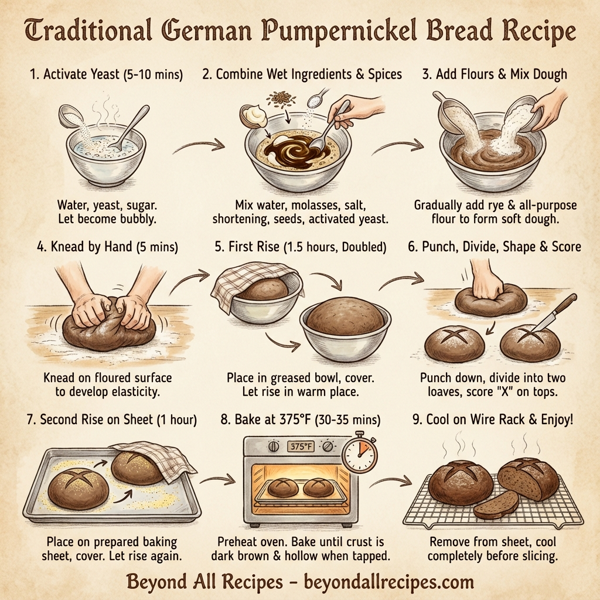
In a small bowl, combine 1/2 cup of the warm water, yeast, and sugar. Stir gently and allow it to sit in a warm place until the mixture becomes bubbly, approximately 5 to 10 minutes.
2
In a large mixing bowl, or using a stand mixer with a dough hook, combine the remaining 1 cup of warm water, molasses, kosher salt, vegetable shortening, caraway seeds, and the activated yeast mixture. Mix thoroughly until smooth and well combined.
3
Gradually add rye flour to the mixture, stirring until incorporated. Then, mix in the unbleached all-purpose flour, continuing until a soft, smooth dough forms. Adjust the consistency by adding more flour if the dough is too moist or more water if it is too dry.
4
Turn the dough out onto a lightly floured surface. Knead by hand for about 5 minutes to develop elasticity and strength.
5
Lightly grease a large bowl with oil or cooking spray. Place the kneaded dough in the bowl, turning it once to coat the surface. Cover the bowl with a clean cloth and let the dough rise in a warm place until it has almost doubled in size, approximately 1.5 hours.
6
After rising, punch down the dough to release air. Divide the dough into two equal portions and shape each into a round, slightly flattened loaf. Use a sharp knife to score a 3/4 inch deep 'X' into the tops of the loaves to allow for proper expansion during baking.
7
Prepare a large baking sheet by greasing it and sprinkling a layer of cornmeal on top. Transfer the formed loaves onto the baking sheet, then cover with a clean cloth. Allow the loaves to rise again until they have doubled in size, around 1 hour.
8
Preheat your oven to 375 degrees F (190 degrees C). Once preheated, place the baking sheet in the oven and bake the loaves for 30 to 35 minutes, or until the crust is dark brown and the loaves sound hollow when tapped on the bottom.
9
Once baked, remove the loaves from the baking sheet and let them cool on a wire rack before slicing and enjoying.
Nutrition Information
Frequently Asked Questions
Frequently Asked Questions
What is Traditional German Pumpernickel Bread?
It is a rustic, dark rye bread known for its dense, chewy texture and deep, earthy flavor profile enhanced by molasses and caraway seeds.
Does this pumpernickel recipe require a bread machine?
No, this recipe is designed to be made by hand, requiring only your hands and a bit of time for kneading and rising.
How many loaves does this recipe produce?
This recipe yields two loaves of pumpernickel bread.
What gives pumpernickel bread its dark color?
The dark color in this recipe comes from the combination of rye flour and 1/2 cup of molasses.
How do I activate the yeast for this bread?
Combine 1/2 cup of warm water with yeast and sugar, then let it sit in a warm place for 5 to 10 minutes until bubbly.
What is the ideal temperature for the warm water?
The warm water should be between 105 and 115 degrees F for optimal yeast activation.
Can I use a stand mixer for this recipe?
Yes, you can use a large mixing bowl or a stand mixer fitted with a dough hook to combine the ingredients.
What types of flour are used in this recipe?
This recipe uses 2 3/4 cups of rye flour and approximately 3 cups of unbleached all-purpose flour.
How long should I knead the dough?
You should knead the dough by hand for about 5 minutes to develop elasticity and strength.
How long is the first rising period?
The first rise takes approximately 1.5 hours in a warm place, or until the dough has almost doubled in size.
Why is sugar added to the yeast mixture?
Sugar is added to the yeast and water mixture to feed the yeast and help it become active.
What role does caraway seeds play in pumpernickel?
Caraway seeds provide the traditional earthy flavor associated with classic German rye breads.
How do I prepare the dough for the second rise?
Punch down the dough, divide it into two portions, shape into round loaves, score an X on top, and place on a baking sheet sprinkled with cornmeal.
Why should I score an X into the top of the bread?
Scoring the loaves with a 3/4 inch deep X allows for proper expansion of the bread during the baking process.
What is the purpose of cornmeal on the baking sheet?
Cornmeal is sprinkled on the greased baking sheet to prevent the loaves from sticking and to add a traditional texture to the bottom crust.
How long is the second rising period?
The second rise takes about 1 hour, or until the formed loaves have doubled in size.
What temperature should the oven be set to?
Preheat your oven to 375 degrees F (190 degrees C).
How long does the bread need to bake?
The loaves should bake for 30 to 35 minutes.
How can I tell if the pumpernickel bread is finished baking?
The bread is done when the crust is dark brown and the loaves sound hollow when you tap them on the bottom.
What should I do after removing the bread from the oven?
Remove the loaves from the baking sheet immediately and let them cool on a wire rack before slicing.
What is the best way to serve this bread?
It is perfect for sandwiches, toasted with butter, or served alongside hearty soups and stews.
Is vegetable shortening necessary for this recipe?
Vegetable shortening is used to enrich the dough, contributing to its texture and moisture.
Can I freeze pumpernickel bread?
Yes, this recipe is ideal for freezing; you can save one loaf for later enjoyment.
What should I do if my dough is too moist?
If the dough is too moist, gradually add more flour until the desired smooth consistency is reached.
What if the dough is too dry?
If the dough is too dry, you can add a small amount of additional water while mixing or kneading.
What type of salt is recommended?
The recipe calls for 1 1/2 tablespoons of kosher salt for flavor.
Does this bread have a strong aroma while baking?
Yes, the bread fills the kitchen with an inviting aroma as it bakes due to the molasses and caraway seeds.
How many packages of yeast are required?
This recipe requires 3 packages (1/4 ounce each) of active dry yeast.
Why is unbleached all-purpose flour used alongside rye flour?
All-purpose flour provides the necessary gluten and structure that rye flour lacks, helping the bread rise properly.
Should the dough be covered while rising?
Yes, the dough should be covered with a clean cloth during both the first and second rising periods to prevent it from drying out.