Tia's Rustic Pasta Al Pomodoro
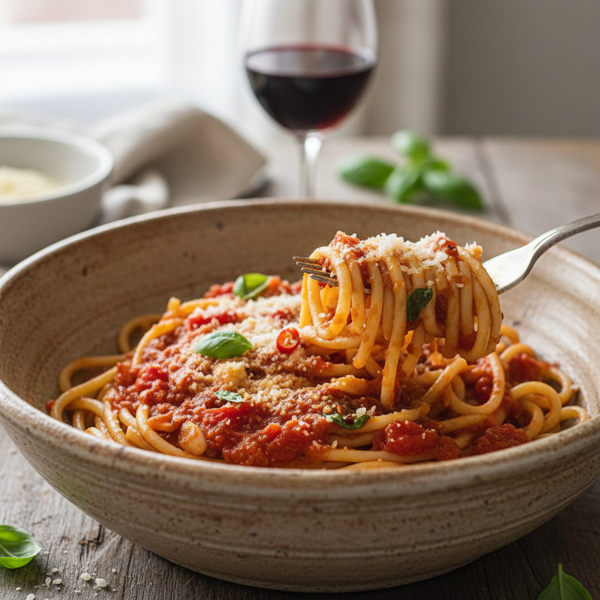
Inspired by the beloved yet defunct Basta Pasta in San Francisco, Tia's Rustic Pasta Al Pomodoro is a lovingly crafted homage to a classic Italian dish. This recipe combines ripe tomatoes, aromatic basil, and a hint of red wine for an unforgettable flavor that transports you back to warm Italian evenings. The key to this dish lies in using the finest quality ingredients—think fresh, vibrant tomatoes and fragrant herbs. With a creamy finish from butter and whipping cream, this pasta sauce is both rich and comforting. Whether you choose fettuccine, vermicelli, or capellini, the sauce is sure to shine through, making every bite a celebration of flavors. Cooking this dish is a fantastic way to impress family and friends with an authentic Italian experience right at home.
N/A
Servings
350
Calories
17
Ingredients
Ingredients
olive oil
to taste (for cooking)
onions
2 medium (chopped)
minced garlic
4 teaspoons (minced)
Cento Italian tomatoes
1 (28 ounce) can (whole or crushed)
Hunts diced tomatoes with basil, oregano, and garlic
4 (15 ounce) cans (diced)
red wine
1 cup (good quality (such as Cabernet Sauvignon))
low sodium chicken broth
1 1/2 cups
fresh basil
12 leaves (washed and chopped, or 1 1/2 teaspoons dried)
red pepper flakes
3 pinches
vodka
1 tablespoon (optional)
sugar
1 tablespoon (optional, for sweetness)
pesto sauce
3 teaspoons (see note below)
Italian seasoning
1 1/2 teaspoons
sea salt or kosher salt
1 pinch
chilled unsalted butter
8 tablespoons
whipping cream
1/4 cup
freshly grated Parmesan cheese
1/4-1/2 cup
Instructions
1
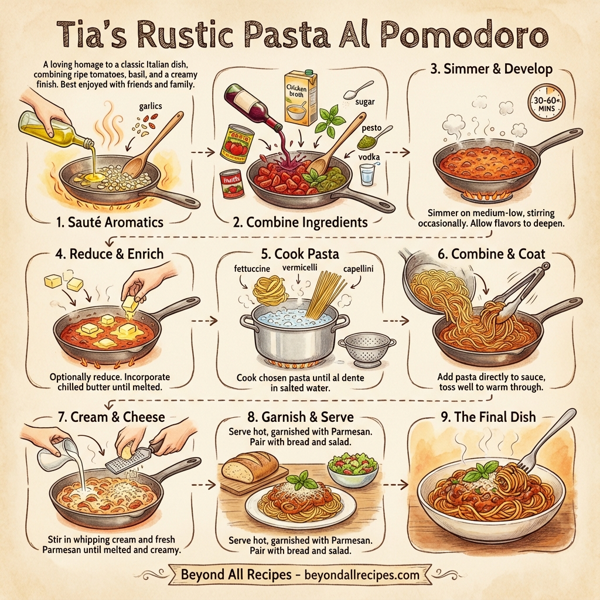
Heat a large skillet over medium-high heat and add a generous drizzle of olive oil.
2
Add the chopped onions, minced garlic, and red pepper flakes to the skillet, sautéing gently until the onions are translucent. Be mindful not to let the garlic brown as it can turn bitter.
3
Stir in the canned tomatoes (both Cento Italian and Hunts diced), red wine, chicken broth, chopped fresh basil (or dried), sugar (if desired), pesto, and vodka (if using).
4
Increase heat to bring the mixture to a gentle boil, then reduce the heat to medium-low and allow the sauce to simmer. The longer you let it simmer, the more the flavors will develop—aim for at least 30 minutes to an hour, or longer if possible, stirring occasionally.
5
As the sauce simmers, optionally reduce it by about 1/4 to intensify the flavors. When you're ready, reduce the heat to the lowest setting.
6
Incorporate the chilled unsalted butter into the sauce, stirring until melted and combined. This will help thicken the sauce slightly.
7
While the sauce is finishing, cook your chosen pasta in a large pot of salted boiling water until al dente, according to package instructions.
8
Once the pasta is cooked, drain it and add it directly to the sauce, tossing well to coat. Allow the pasta to warm through in the sauce for a few moments.
9
Stir in the whipping cream and freshly grated Parmesan cheese, mixing thoroughly until the cheese is melted and the sauce is creamy.
10
Serve hot, garnished with additional Parmesan cheese. Pair with a rustic bread and a fresh salad for a complete meal.
Nutrition Information
22g
Fat
36g
Carbs
7g
Protein
Frequently Asked Questions
Frequently Asked Questions
What is Tia's Rustic Pasta Al Pomodoro?
Tia's Rustic Pasta Al Pomodoro is a lovingly crafted homage to a classic Italian dish, inspired by the beloved yet defunct Basta Pasta restaurant in San Francisco.
What are the primary flavor components of this recipe?
The dish combines ripe tomatoes, aromatic basil, and a hint of red wine for an unforgettable flavor that evokes warm Italian evenings.
What types of canned tomatoes are required?
The recipe calls for one 28-ounce can of Cento Italian tomatoes and four 15-ounce cans of Hunts diced tomatoes with basil, oregano, and garlic.
Can I use dried basil instead of fresh basil?
Yes, you can substitute the 12 fresh basil leaves with 1 1/2 teaspoons of dried basil.
What kind of red wine is recommended for the sauce?
A good quality red wine, such as a Cabernet Sauvignon, is recommended to add depth to the sauce.
Is the vodka in the recipe mandatory?
No, the addition of 1 tablespoon of vodka is an optional step.
Why is sugar included in the ingredient list?
Sugar is optional and can be used to add sweetness and balance the acidity of the tomatoes.
How long should the sauce simmer?
The sauce should simmer for at least 30 minutes to an hour, or longer if possible, to allow the flavors to develop fully.
How do I achieve a creamy finish for the sauce?
The creamy finish is achieved by incorporating chilled unsalted butter, whipping cream, and freshly grated Parmesan cheese at the end of the cooking process.
What type of pasta should I use with this sauce?
Fettuccine, vermicelli, or capellini are recommended as they allow the rich sauce to shine.
How do I prevent the garlic from becoming bitter?
Be careful not to let the garlic brown when sautéing it with the onions, as overcooked garlic can turn bitter.
Is this recipe vegetarian?
The recipe is tagged as vegetarian; however, it uses chicken broth. To make it strictly vegetarian, you should substitute the chicken broth with vegetable broth.
What is the calorie count for a serving of this pasta?
Each serving contains approximately 350 calories.
How much fat is in one serving?
One serving of this pasta contains 22 grams of fat.
What is the carbohydrate content of this dish?
There are 36 grams of carbohydrates per serving.
How much protein does this meal provide?
This recipe provides 7 grams of protein per serving.
What is the benefit of reducing the sauce?
Optionally reducing the sauce by about 1/4 helps to intensify the tomato and herb flavors.
When should the pasta be added to the sauce?
The drained, al dente pasta should be added directly to the sauce and tossed to coat before the final addition of cream and cheese.
How much Parmesan cheese is needed?
The recipe calls for 1/4 to 1/2 cup of freshly grated Parmesan cheese to be mixed into the sauce, plus more for garnish.
What sides pair well with this pasta dish?
It is best served with a rustic bread and a fresh salad for a complete Italian meal experience.
How many onions are required?
You will need 2 medium onions, finely chopped.
What is the total number of ingredients in this recipe?
There are 17 ingredients listed in the recipe instructions.
Does the recipe use pesto?
Yes, 3 teaspoons of pesto sauce are stirred into the tomato mixture to enhance the herbal profile.
What type of salt is recommended?
The recipe suggests using a pinch of sea salt or kosher salt.
Is the butter added at the beginning or the end?
Chilled unsalted butter is added after the sauce has simmered and reduced, just before the pasta is mixed in.
How much minced garlic is used?
The recipe requires 4 teaspoons of minced garlic.
What provides the heat in this sauce?
The heat comes from 3 pinches of red pepper flakes sautéed with the onions and garlic.
Should the butter be at room temperature?
No, the recipe specifies using chilled unsalted butter.
Can I use low-sodium chicken broth?
Yes, the recipe specifically lists 1 1/2 cups of low-sodium chicken broth.
How should the dish be served?
It should be served hot and garnished with additional freshly grated Parmesan cheese.