Tangy Citrus Chicken Delight
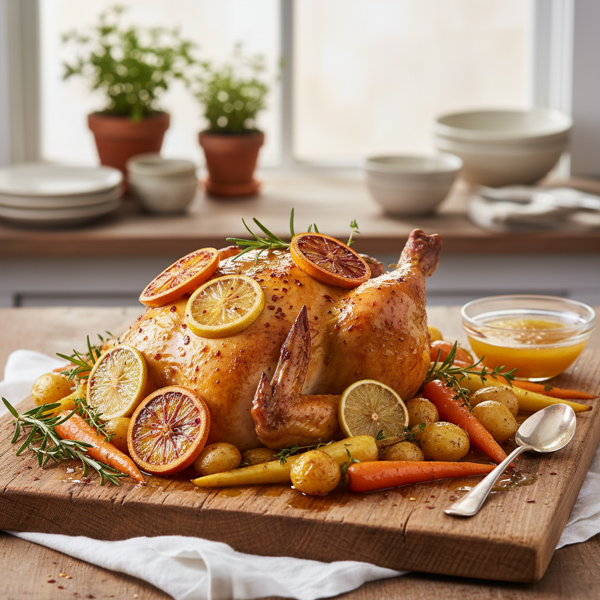
Indulge in this scrumptious Tangy Citrus Chicken Delight, a delightful copycat recipe of the beloved Panda Express dish. Each bite features tender, crispy chicken coated in a sweet and tangy orange glaze that will leave your taste buds dancing. Perfect for family dinners or meal prepping, this dish pairs beautifully with fluffy jasmine rice. Whether you're a busy parent or a cooking enthusiast, this recipe brings restaurant flavors right to your kitchen. Give it a try and enjoy a take-out experience at home!
N/A
Servings
533
Calories
20
Ingredients
Ingredients
boneless skinless chicken
2 lbs (chopped into bite-sized pieces)
egg
1 (beaten)
salt
1.5 teaspoons (to taste)
white pepper
to taste
oil
as needed (for frying)
cornstarch
0.5 cup
flour
0.25 cup
soy sauce
3 tablespoons
orange juice
0.75 cup
brown sugar
0.5 cup
orange
1 (zest of)
oil
1 tablespoon
gingerroot
2 tablespoons (minced)
garlic
2 teaspoons (minced)
red chili pepper flakes
2 teaspoons
green onion
0.5 cup (chopped)
rice wine
2 tablespoons
water
0.5 cup
cornstarch
2 tablespoons
sesame oil
1 teaspoon
Instructions
1
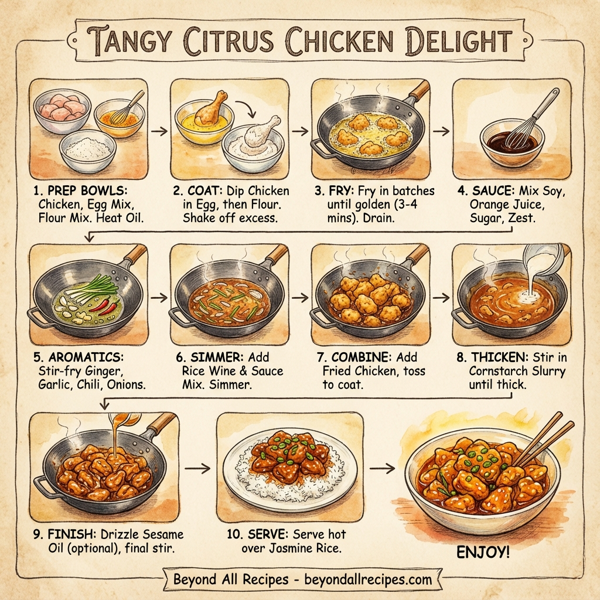
Start by placing the bite-sized chicken pieces in a large mixing bowl and set aside.
2
In a separate medium bowl, combine the egg, salt, white pepper, and 1 tablespoon of oil. Whisk until smooth and set aside.
3
In another medium bowl, mix the 1/2 cup of cornstarch with the flour until well combined.
4
Heat oil in a wok or deep fryer to 375°F (190°C) for frying.
5
Dip each chicken piece into the egg mixture, allowing any excess to drip off, then coat in the flour mixture. Shake off any excess flour.
6
Carefully add batches of the coated chicken to the hot oil and fry for 3 to 4 minutes or until the pieces are golden brown and cooked through. Avoid overcrowding the pan.
7
Using a slotted spoon, remove the fried chicken and drain on paper towels. Set aside while you prepare the sauce.
8
For the sauce, combine soy sauce, orange juice, brown sugar, and orange zest in a small bowl. Mix thoroughly and set aside.
9
Clean the wok and heat it over high heat for about 15 seconds. Add 1 tablespoon of oil, followed by the minced ginger, garlic, red chili flakes, and chopped green onions. Stir-fry for a few seconds until fragrant.
10
Pour in the rice wine and the prepared soy sauce mixture, and bring to a simmer.
11
Add the cooked chicken to the wok, mixing thoroughly to coat each piece in the sauce.
12
In a small bowl, whisk together water and 2 tablespoons of cornstarch until smooth. Gradually add this mixture to the wok, stirring continuously until the sauce thickens.
13
Drizzle the sesame oil over the chicken if desired and give it one final stir. Remove from heat and serve hot over jasmine rice.
Nutrition Information
20g
Fat
67g
Carbs
33g
Protein
Frequently Asked Questions
Frequently Asked Questions
What is Tangy Citrus Chicken Delight?
It is a copycat recipe of the famous Panda Express orange chicken, featuring crispy fried chicken pieces tossed in a sweet and tangy orange glaze.
How many calories are in a serving of this dish?
There are approximately 533 calories per serving.
Is this recipe similar to Panda Express orange chicken?
Yes, it is specifically designed as a copycat recipe to recreate those restaurant flavors at home.
What kind of chicken is best for this recipe?
Boneless skinless chicken breasts or thighs chopped into bite-sized pieces work best.
How do I get the chicken to be crispy?
The chicken is coated in an egg mixture and then a combination of cornstarch and flour before being deep-fried at 375°F (190°C).
What is the ideal oil temperature for frying the chicken?
The oil should be heated to 375°F (190°C) to ensure the chicken cooks quickly and becomes golden brown.
Can I use fresh orange juice for the sauce?
Yes, fresh orange juice is recommended for the best flavor, along with fresh orange zest.
What is used to thicken the orange sauce?
A slurry made of water and 2 tablespoons of cornstarch is added to the simmering sauce to thicken it.
Is Tangy Citrus Chicken Delight spicy?
The recipe calls for 2 teaspoons of red chili pepper flakes, which gives it a mild to moderate kick.
What can I serve with this chicken?
It pairs beautifully with fluffy jasmine rice or fried rice.
How much protein is in this recipe?
There are approximately 33 grams of protein per serving.
Can I substitute the rice wine?
If you don't have rice wine, you can use dry sherry or white grape juice as a non-alcoholic substitute.
What is the purpose of the orange zest?
The zest contains the essential oils of the fruit and provides a deep, aromatic citrus flavor that juice alone cannot provide.
How long does it take to fry the chicken pieces?
The bite-sized pieces usually take 3 to 4 minutes to become golden brown and cooked through.
Can I make this recipe gluten-free?
To make it gluten-free, substitute the flour with more cornstarch or a GF flour blend, and use tamari instead of soy sauce.
What type of oil should I use for frying?
A high-smoke point oil like vegetable, canola, or peanut oil is best for deep frying.
Does this recipe use ginger?
Yes, it uses 2 tablespoons of minced fresh gingerroot for an authentic Asian flavor profile.
How do I prevent the chicken from overcrowding the pan?
Fry the chicken in batches rather than all at once to maintain the oil temperature and ensure even crisping.
Can I store leftovers of this dish?
Yes, store leftovers in an airtight container in the refrigerator for up to 3 days.
What is the best way to reheat the chicken?
Reheating in an air fryer or oven at 350°F will help maintain the crispiness better than a microwave.
How much sugar is in the sauce?
The recipe uses 0.5 cup of brown sugar to achieve its signature sweet glaze.
Is the chicken marinated before cooking?
No, the chicken is dipped in an egg wash and dredged in a cornstarch-flour mixture right before frying.
Can I air fry the chicken instead of deep frying?
Yes, though the texture will be slightly different. Spray the coated pieces with oil and air fry at 400°F until crispy.
What aromatic ingredients are used?
The recipe uses minced ginger, garlic, red chili flakes, and chopped green onions.
How much fat is in this dish?
There are approximately 20 grams of fat per serving.
Can I use white sugar instead of brown sugar?
Yes, but brown sugar provides a deeper, slightly molasses-like flavor that complements the orange.
Is sesame oil necessary?
Sesame oil is used as a finishing oil for its distinct toasted aroma; a little goes a long way.
How many ingredients are required for this recipe?
There are 20 ingredients total, including the chicken, coating, sauce components, and aromatics.
Can I prepare the sauce in advance?
Yes, you can mix the soy sauce, orange juice, sugar, and zest ahead of time and store it in the fridge.
Should I use white or black pepper?
The recipe specifically calls for white pepper, which is traditional in many Chinese-inspired dishes for its unique spice profile.