Sun-Kissed Hawaiian Kalua Pork
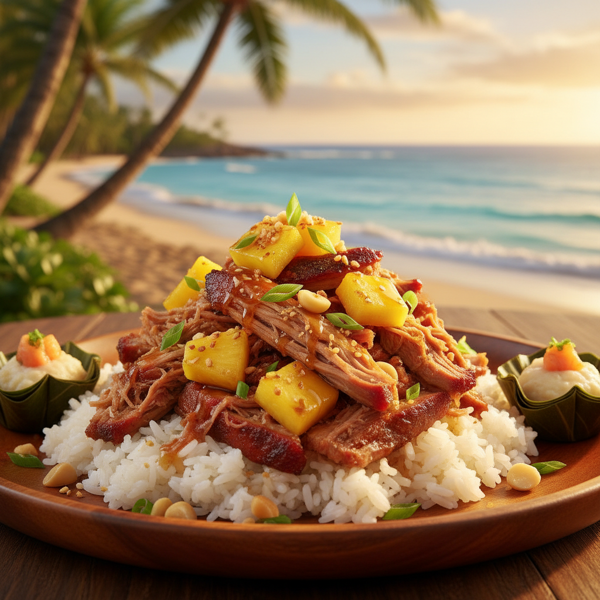
Experience the vibrant flavors of the Hawaiian islands with our Sun-Kissed Hawaiian Kalua Pork, a delectable dish that captures the essence of traditional Kalua Pig cooked in an environmentally friendly solar cooker. This unique preparation technique allows the pork shoulder to become tender and infused with a smoky flavor while utilizing the power of the sun. The addition of banana peel, a traditional element, imparts a subtle sweetness that enhances the dish. Perfectly served with a side of fluffy rice, stir-fried cabbage, and classic macaroni salad, this meal is not just a feast for the taste buds but also an eco-conscious way to enjoy a beloved Hawaiian delicacy. Join us to learn how to create this mouthwatering recipe by watching our preparation video on YouTube: [Watch here](http://www.youtube.com/watch?v=YldG0t12zfw&feature=channel_page).
N/A
Servings
N/A
Calories
4
Ingredients
Ingredients
pork shoulder (butt)
2 lbs (Trim excess fat and rinse)
liquid smoke
1 1/2 teaspoons (To taste; rub on pork)
hawaiian sea salt
2 teaspoons (To taste; rub on pork)
banana peel
1 (Place on top of the pork)
Instructions
1
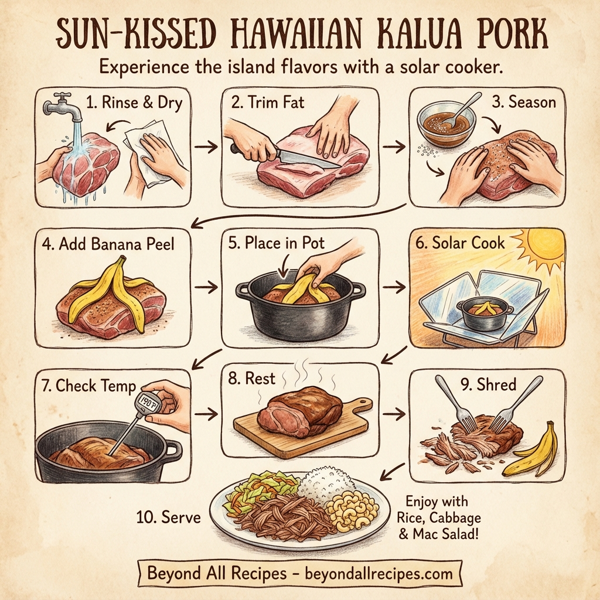
Begin by rinsing the pork shoulder under cold water and patting it dry with paper towels.
2
Using a sharp knife, trim any excess fat from the pork shoulder.
3
In a small bowl, mix the Hawaiian sea salt and liquid smoke. Rub this mixture all over the pork shoulder, ensuring it is evenly seasoned.
4
Layer the banana peel on top of the seasoned pork. This will add a subtle sweetness while mimicking the traditional method of using banana leaves.
5
Carefully transfer the seasoned pork into your solar cooking pot, making sure to keep the banana peel in place.
6
Place the pot into the solar cooker, ensuring it is positioned for maximum sunlight exposure.
7
Allow the pork to cook in the solar cooker until it reaches an internal temperature of at least 190°F (88°C), which should take around 4 hours depending on sunlight conditions.
8
Once fully cooked, remove the pork from the cooker and let it rest for a few minutes.
9
Using two forks, shred the pork into bite-sized pieces and discard any remaining pieces of banana peel.
10
Serve your delicious Sun-Kissed Hawaiian Kalua Pork with steamed rice, sautéed cabbage, and a side of macaroni salad for a complete Hawaiian meal.
Nutrition Information
Frequently Asked Questions
Frequently Asked Questions
What is Sun-Kissed Hawaiian Kalua Pork?
It is a traditional-style Hawaiian Kalua Pig dish prepared in an environmentally friendly solar cooker to capture the essence of the islands.
What type of meat is used in this recipe?
The recipe uses 2 lbs of pork shoulder, also known as pork butt.
How much liquid smoke is required?
You will need 1 1/2 teaspoons of liquid smoke to give the pork its signature smoky flavor.
What kind of salt is used for seasoning?
The recipe specifies using 2 teaspoons of Hawaiian sea salt.
Why is a banana peel included in the recipe?
The banana peel mimics traditional banana leaves, imparting a subtle sweetness to the pork during the cooking process.
What is the primary cooking method for this dish?
This dish is cooked using a solar cooker, which utilizes the power of the sun for an eco-friendly preparation.
How should the pork shoulder be prepared before seasoning?
Rinse the pork under cold water, pat it dry with paper towels, and trim away any excess fat.
How is the seasoning applied to the pork?
Mix the Hawaiian sea salt and liquid smoke in a small bowl, then rub the mixture evenly all over the pork shoulder.
Where does the banana peel go during cooking?
The banana peel should be layered directly on top of the seasoned pork inside the cooking pot.
How should the solar cooker be positioned?
The pot should be placed in the solar cooker and positioned for maximum sunlight exposure to ensure even cooking.
What internal temperature must the pork reach?
The pork should reach an internal temperature of at least 190 degrees Fahrenheit (88 degrees Celsius).
How long does it take to cook the pork in a solar cooker?
It typically takes around 4 hours, though this depends on the intensity of the sunlight.
Is it necessary to let the pork rest after cooking?
Yes, you should let the pork rest for a few minutes after removing it from the solar cooker.
How do you shred the finished Kalua pork?
Once cooked and rested, use two forks to shred the pork into bite-sized pieces.
What should be done with the banana peel after cooking?
Discard any remaining pieces of the banana peel after you have finished shredding the meat.
What are the recommended side dishes?
This pork is best served with steamed rice, stir-fried or sauteed cabbage, and classic macaroni salad.
Is there a video guide for this recipe?
Yes, a preparation video is available on YouTube at http://www.youtube.com/watch?v=YldG0t12zfw.
What flavor profile can I expect from this dish?
Expect vibrant island flavors, a smoky aroma, and a hint of sweetness from the banana peel.
Is this recipe considered sustainable?
Yes, it is described as an eco-conscious way to enjoy Hawaiian delicacy by using renewable solar energy.
How many ingredients are in the ingredient list?
There are 4 main ingredients: pork shoulder, liquid smoke, Hawaiian sea salt, and a banana peel.
What tool is recommended for trimming the fat?
A sharp knife is recommended for trimming any excess fat from the pork shoulder.
Does the recipe use traditional banana leaves?
No, it uses a banana peel as a more accessible alternative to traditional banana leaves.
Can the seasoning be adjusted?
Yes, both the liquid smoke and Hawaiian sea salt amounts can be adjusted to taste.
What is the texture of the meat after cooking?
The pork shoulder becomes tender and easy to shred after slow-cooking in the solar cooker.
Which specific Hawaiian island flavors does this represent?
It captures the essence of traditional Kalua Pig found throughout the Hawaiian islands.
What is another name for pork shoulder?
In this recipe, it is referred to as pork shoulder or pork butt.
How do you ensure the pork is evenly seasoned?
By rubbing the salt and smoke mixture thoroughly over the entire surface of the meat.
What type of cabbage should be served with this?
The recipe suggests stir-fried or sauteed cabbage as a side.
Why is the internal temperature important?
Reaching 190 degrees Fahrenheit ensures the meat is tender enough to shred properly.
Is the pork rinsed after cooking?
No, it is rinsed before cooking; after cooking, it is only rested and shredded.