Sun-Kissed Dill Delights
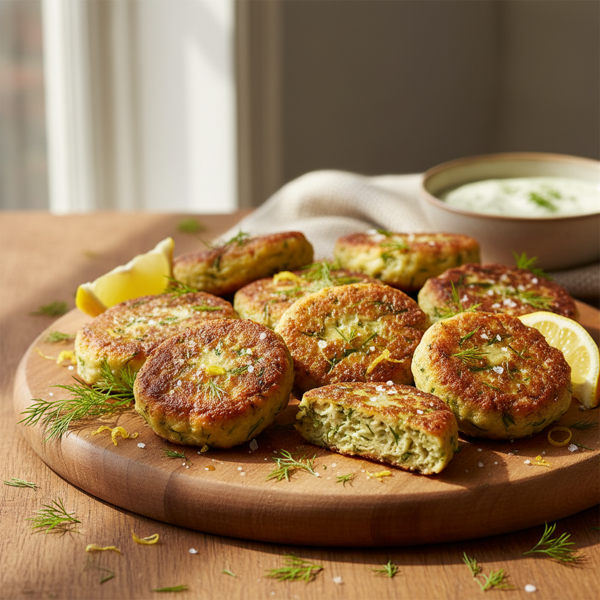
These Sun-Kissed Dill Delights are a cherished family recipe that brings a taste of summer to your table. Originating from a simple housewarming gift that sparked a love for pickling, this recipe has been passed down through generations. It evokes memories of shared laughter with my five brothers as we devoured every crunchy, tangy bite. My mother has perfected this recipe over the years, creating hundreds of gallons that have become a seasonal tradition in our household. Now, I carry on her legacy by making at least one gallon each summer, often canning a few jars for long-term enjoyment. The delightful combination of fresh dill, crisp cucumbers, and just the right amount of tanginess makes these pickles perfect for snacking, adding to sandwiches, or brightening up any dish. Enjoy them fresh or preserved, just like my family has for years, and share in the joy of making pickles that taste like sunshine.
N/A
Servings
20
Calories
6
Ingredients
Ingredients
Fresh dill heads & stems
As needed (Bug-free, washed)
Garlic cloves
1-2 (optional) (Peeled)
Cucumbers
5-6 medium (Washed and scrubbed, sliced if desired)
White vinegar
1 cup (None)
Salt
1/2 cup, scant (None)
Cold tap water
As needed (None)
Instructions
1
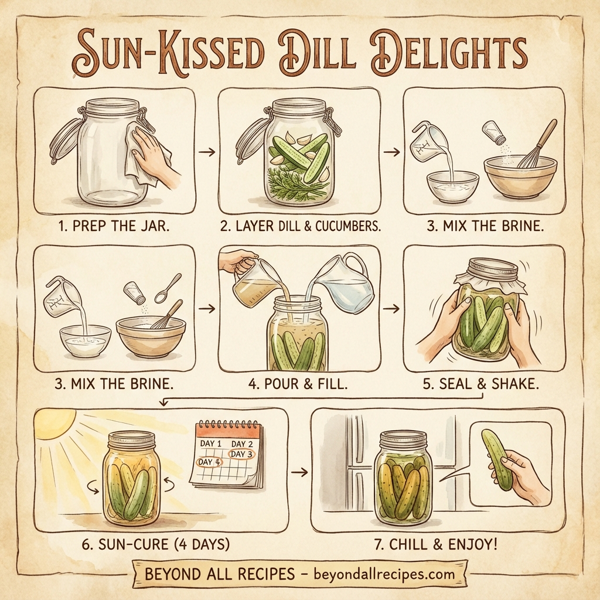
Begin by selecting a clean, one-gallon glass jar with a tight-fitting lid. Make sure the jar is thoroughly cleaned and dried to avoid any contamination.
2
Layer the bottom of the jar with fresh, bug-free dill heads and stems, creating a fragrant base for your pickles.
3
Wash and scrub your cucumbers thoroughly under cold water. Slice them into spears or use whole cucumbers, depending on your preference.
4
Alternate layers of dill and cucumbers, adding whole garlic cloves if desired for an extra flavor punch. Continue layering until the jar is filled, finishing with a generous layer of dill on top.
5
In a separate bowl, combine 1 cup of white vinegar and 1/2 cup of scant salt, stirring until the salt is dissolved.
6
Pour the vinegar and salt mixture over the cucumbers until the jar is nearly full. Top off with cold tap water to ensure that the cucumbers are fully submerged.
7
Cover the jar tightly with the lid. For extra protection, you may add a doubled-over square of wax paper or plastic wrap underneath the lid.
8
Give the jar a gentle shake to evenly distribute the salt and ensure all cucumber pieces are coated.
9
Place the jar in a sunny spot outside, allowing it to soak up the sun's rays for four days. Be sure to mark the calendar to remember the pickling 'due date.'
10
Each day, gently turn the jar slightly to ensure an even pickling process and give your cucumbers an even tan. If the weather is rainy or cloudy, consider leaving the jar out for an additional day.
11
Once the pickles have reached their desired tanginess, chill them in the refrigerator before enjoying or transferring them to quart jars for long-term storage.
Nutrition Information
0g
Fat
1g
Carbs
0.2g
Protein
Frequently Asked Questions
Frequently Asked Questions
What are Sun-Kissed Dill Delights?
They are a cherished family recipe for crunchy, tangy pickles that are processed outdoors using natural sunlight.
How long do the pickles need to sit in the sun?
The pickles should soak up the sun's rays for four days to reach their desired tanginess.
What type of container is required for this recipe?
You should use a clean, one-gallon glass jar with a tight-fitting lid.
What are the main ingredients for Sun-Kissed Dill Delights?
The main ingredients include fresh dill heads and stems, cucumbers, garlic cloves, white vinegar, salt, and cold tap water.
How should I prepare the cucumbers?
Wash and scrub the cucumbers thoroughly under cold water. You can slice them into spears or keep them whole depending on your preference.
What kind of dill should be used?
Use fresh, bug-free dill heads and stems to create a fragrant base and top layer in the jar.
Is garlic mandatory for this recipe?
No, the 1-2 peeled garlic cloves are optional but recommended for an extra punch of flavor.
How much vinegar is used in the brine?
The recipe calls for 1 cup of white vinegar combined with the salt before adding water.
How much salt is needed for a one-gallon jar?
You will need a 1/2 cup of scant salt, stirred into the vinegar until dissolved.
Do I need to boil the pickling liquid?
No, this recipe uses cold tap water and the heat from the sun rather than boiling a brine on the stove.
Why is wax paper or plastic wrap used under the lid?
A doubled-over square of wax paper or plastic wrap provides extra protection and helps ensure a tight seal under the lid.
What should I do if the weather is cloudy or rainy?
If it is rainy or cloudy, consider leaving the jar out for an additional day beyond the standard four days.
Why do I need to turn the jar every day?
Turning the jar daily ensures an even pickling process and gives all the cucumbers an even 'tan' from the sun.
When are the pickles ready to eat?
Once they have reached your desired tanginess after four days (or more if cloudy), they should be chilled in the refrigerator before enjoying.
Can these pickles be stored long-term?
Yes, you can transfer them to quart jars for long-term storage or even follow standard canning procedures.
What is the calorie count for these pickles?
There are approximately 20 calories per serving.
Are there any fats or cholesterol in this recipe?
No, these pickles contain 0g of fat and are cholesterol-free.
What is the protein and carbohydrate content?
They contain approximately 1g of carbohydrates and 0.2g of protein.
How should the ingredients be layered in the jar?
Start with dill at the bottom, then alternate layers of cucumbers and dill (and garlic if using), finishing with a generous layer of dill on top.
What is the origin of this recipe?
It originated from a housewarming gift and has been perfected over the years by the creator's mother.
How many cucumbers are needed for one gallon?
The recipe typically requires 5 to 6 medium cucumbers to fill a one-gallon jar.
What is 'scant salt'?
Scant salt means just slightly less than a full 1/2 cup measurement.
Is it important to wash the dill?
Yes, it is important to ensure the dill is washed and bug-free before placing it in the jar.
What is the best way to distribute the salt in the jar?
After closing the lid, give the jar a gentle shake to evenly distribute the salt and coat all cucumber pieces.
Can I use cold tap water for this recipe?
Yes, the recipe specifies using cold tap water to fill the jar after adding the vinegar and salt mixture.
What makes these pickles 'sun-kissed'?
They are named 'Sun-Kissed' because the pickling process occurs outdoors using the natural heat and light of the sun.
Are these pickles fermented?
Yes, the recipe is categorized under fermented and preserved foods.
What are the recommended uses for these pickles?
They are perfect for snacking, adding to sandwiches, or brightening up any side dish.
What tags are associated with this recipe?
Tags include pickles, dill, summer recipe, fermented, family recipe, and gramma smart pickles.
Why is it suggested to mark the calendar?
Marking the calendar helps you keep track of the four-day 'due date' for the pickling process.