Sri Lankan Coconut Chicken Curry
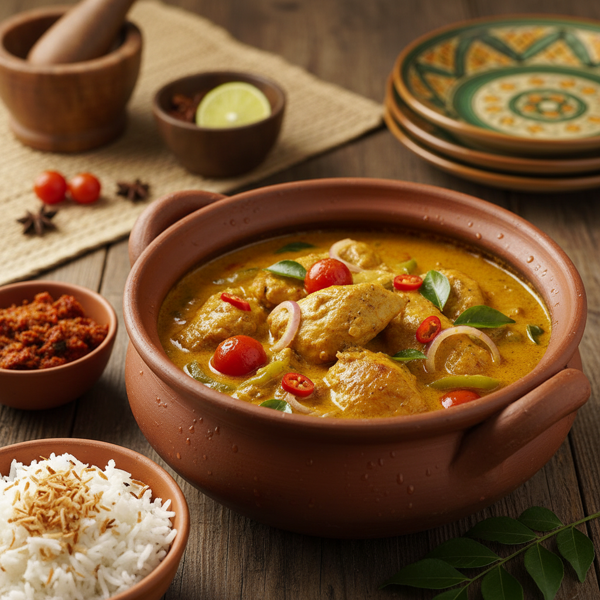
Indulge in the rich and aromatic flavors of Sri Lankan Coconut Chicken Curry. This dish features tender, succulent chicken thighs simmered in a fragrant blend of spices and fresh ingredients, resulting in a creamy sauce that perfectly complements rice. The combination of curry leaves, coconut milk, and a medley of spices creates a harmonious balance of taste, making it suitable for those who prefer milder curries without sacrificing flavor. This delightful dish will surely become a family favorite, enticing your friends and loved ones to come back for seconds. Perfect for gatherings or a cozy family dinner, this easy-to-make curry exudes warmth and comfort in every bite.
N/A
Servings
320
Calories
18
Ingredients
Ingredients
skinless chicken thighs
3 lbs (cut into bite-sized pieces)
curry leaves
10 leaves (fresh, whole)
onions
2 (diced)
garlic
2 teaspoons (crushed)
gingerroot
2 teaspoons (fresh, grated)
oil
2 tablespoons (for frying)
chili powder
1 teaspoon (for flavor)
ground cumin
1 teaspoon (for flavor)
ground turmeric
1 teaspoon (for color and flavor)
ground coriander
1 tablespoon (for flavor)
paprika
2 teaspoons (for color and flavor)
salt
1/2 teaspoon (to taste)
white vinegar
2 tablespoons (for acidity)
tomatoes
2 (diced)
cardamom pods
6 (cracked open)
lemon rind
2 slices (fresh)
cinnamon stick
1 small (whole)
coconut milk
1/2 cup (for creaminess)
Instructions
1
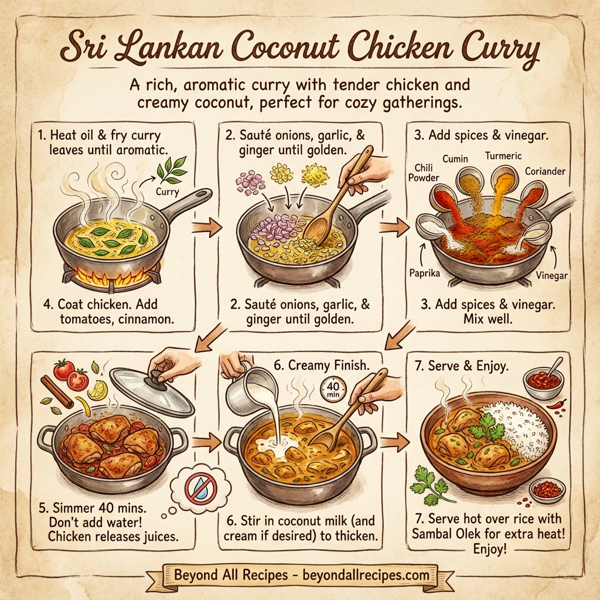
Heat oil in a large saucepan over medium heat. Add the curry leaves and fry until they begin to change color and release their aroma.
2
Stir in the diced onions, minced garlic, and grated ginger. Cook until the onions are golden and softened, stirring occasionally.
3
Add the chili powder, ground cumin, ground turmeric, ground coriander, paprika, salt, and white vinegar. Mix well to combine all the spices with the onion mixture.
4
Introduce the chicken thighs to the saucepan, stirring to ensure they are well coated with the spice mix. Add the diced tomatoes, cardamom pods, lemon rind, and cinnamon stick, then cover the pot.
5
Allow the curry to simmer gently for about 40 minutes, stirring occasionally. Resist the urge to add water, as the chicken will release plenty of juices to create a rich sauce.
6
After 40 minutes, stir in the coconut milk to enrich the sauce. If desired, you can add a small amount of cream for added richness. Adjust the thickness to your liking.
7
Serve the curry hot over a bed of rice. For those who enjoy extra heat, provide Sambal Olek or crushed chili on the side. This dish is equally delicious when frozen and reheated later.
Nutrition Information
18g
Fat
18g
Carbs
19g
Protein
Frequently Asked Questions
Frequently Asked Questions
What is Sri Lankan Coconut Chicken Curry?
It is a fragrant dish featuring tender chicken thighs simmered in a blend of Sri Lankan spices and coconut milk.
Is this a spicy curry?
It is considered a milder curry, though it contains a variety of aromatic spices like chili powder and paprika for flavor.
What type of chicken is best for this recipe?
Skinless chicken thighs are recommended as they stay succulent and tender during the simmering process.
How much chicken do I need?
This recipe calls for 3 lbs of chicken thighs, cut into bite-sized pieces.
Can I use chicken breast instead of thighs?
Yes, you can substitute breast meat, but thighs are preferred for their superior flavor and moisture in slow-simmered dishes.
What makes the sauce creamy?
The addition of 1/2 cup of coconut milk at the end of the cooking process creates a rich and creamy texture.
Do I need to add water to the curry?
No, do not add water. The chicken will release plenty of its own juices to create a rich and flavorful sauce.
How long should the curry simmer?
The curry should simmer gently for approximately 40 minutes before adding the coconut milk.
Can I freeze this curry?
Yes, this dish is equally delicious when frozen and reheated at a later time.
What should I serve with this dish?
It is best served hot over a bed of rice to soak up the aromatic sauce.
What spices are used in this Sri Lankan curry?
The spice blend includes chili powder, ground cumin, ground turmeric, ground coriander, and paprika.
Is this recipe suitable for families?
Yes, it is a mild, comfort-food style dish that is ideal for a cozy family dinner or gatherings.
How many calories are in a serving?
There are approximately 320 calories per serving of this curry.
What is the protein content?
Each serving of this chicken curry provides 19g of protein.
How many grams of fat are in this dish?
There are 18g of fat per serving.
Are there any carbohydrates in the curry?
Yes, each serving contains 18g of carbohydrates.
What is the role of vinegar in this recipe?
Two tablespoons of white vinegar are added to provide essential acidity and balance the rich flavors.
Why are curry leaves used?
Curry leaves are fried at the beginning of the recipe to release their unique aroma and deep flavor into the oil.
Can I add extra cream?
Yes, if you desire additional richness, you can add a small amount of cream along with the coconut milk.
What should I do if I want more heat?
For those who prefer a spicier dish, you can serve Sambal Olek or crushed chili on the side.
How many cardamom pods are needed?
The recipe requires 6 cardamom pods that should be cracked open before adding to the pot.
Do I need to peel the ginger?
The recipe calls for 2 teaspoons of fresh, grated gingerroot, which usually involves peeling the outer skin first.
What type of oil should I use for frying?
You can use 2 tablespoons of any neutral cooking oil suitable for medium-heat frying.
Can I use dried curry leaves?
Fresh curry leaves are highly recommended for the best aroma, but dried ones can be used if fresh is unavailable.
How do I prepare the chicken?
The chicken should be skinless and cut into small, bite-sized pieces for even cooking.
What does the lemon rind add to the dish?
Two slices of fresh lemon rind provide a subtle brightness and citrus note to the spice mixture.
Is there a specific order for adding ingredients?
Yes, start with curry leaves, then aromatics like onions and garlic, followed by spices, then the chicken and tomatoes.
How many onions are required?
The recipe uses 2 onions, which should be diced before cooking.
What is the purpose of the cinnamon stick?
One small whole cinnamon stick is added during the simmer to provide a warm, woody undertone to the curry.
Can I reheat this dish?
Yes, it reheats very well, and the flavors often intensify the next day.