Spicy Korean Kimchi Stew
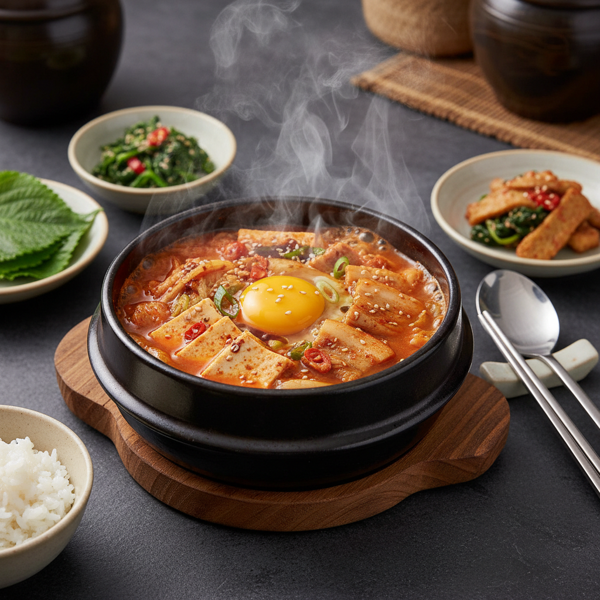
Dive into the heartwarming world of Korean cuisine with this Spicy Korean Kimchi Stew, a dish that promises to awaken your taste buds with its vibrant flavors and bold spices. This traditional jjigae is filled to the brim with sour, fermented kimchi, tender pork, hearty tofu, and an assortment of fresh vegetables. Each spoonful brings a delightful balance of heat and umami, perfect for warming you up on chilly days. Although the steps might seem intimidating at first, rest assured that preparing this dish is straightforward and rewarding. The key to authenticity lies in using high-quality Korean chili flakes and paste, so make sure to source those specially! Whether enjoyed on its own or with a side of rice, this stew is sure to become a beloved favorite in your home, just as it is in mine. Enjoy it with family and friends, and let the comforting aromas fill your kitchen!
N/A
Servings
N/A
Calories
15
Ingredients
Ingredients
Pork Loin
1/8 lb (cut into thin strips (omit for vegetarian))
Rice Wine
1 tablespoon (for marinating meat)
Black Pepper
3 pinches (two pinches for marinating meat; additional for seasoning)
Sour Kimchi
1 cup (cut into 1x1 pieces, reserve juice)
White Onion
1/4 (cut into slices)
Green Onion
1 (sliced)
Mushroom
1/4 cup (regular or shiitake, sliced)
Anaheim Green Chili Peppers
3 tablespoons (sliced)
Tofu
1 cup (extra firm, cut into 1/4-inch slices)
Water
1 1/2 cups
Vegetable Oil
as needed (for cooking)
Korean Chili Flakes (Gochugaru)
4 teaspoons
Korean Chili Paste (Gochujang)
2 teaspoons
Soy Sauce
4 teaspoons
Minced Garlic
1/2 teaspoon (fresh or bottled, not dried)
Instructions
1
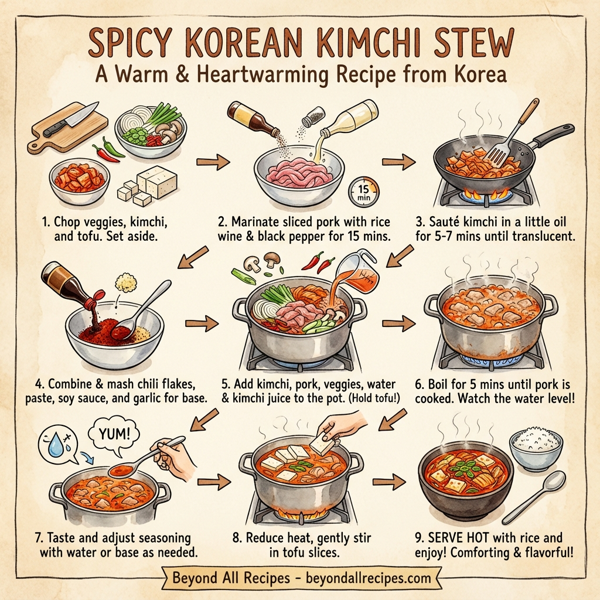
Prepare all your ingredients by cutting the vegetables, kimchi, and tofu, then set aside.
2
If using pork, rinse it and slice into thin strips about 1-2 inches long.
3
In a mixing bowl, marinate the pork strips in rice wine along with two pinches of black pepper for 15 minutes. You can use your stew pot for this marinade.
4
Meanwhile, heat a small amount of vegetable oil in a pan or wok over medium-high heat. Add the chopped kimchi and cook, stirring consistently for 5-7 minutes until it turns slightly translucent.
5
In another bowl, combine Korean chili flakes, chili paste, soy sauce, and minced garlic to form a flavorful soup base. Mash together to blend.
6
Once the kimchi is cooked, add it to your marinated pork in the stew pot, along with the sliced onions, green onions, mushrooms, chili peppers, and water (including any reserved kimchi juice). Be sure to hold off on adding the tofu for now.
7
Bring the mixture to a rolling boil, letting it cook for about 5 minutes or until the pork is thoroughly cooked. Keep an eye on the water level to prevent it from boiling away.
8
Taste the soup and adjust the seasoning as necessary with additional water or more soup base if needed.
9
After the pork is cooked, reduce the heat to low and gently stir in the tofu slices.
10
Serve the kimchi stew hot with a side of room-temperature rice to temper the spice, and enjoy!
Nutrition Information
Frequently Asked Questions
Frequently Asked Questions
What is Spicy Korean Kimchi Stew?
Spicy Korean Kimchi Stew, also known as Kimchi Jjigae, is a traditional Korean dish featuring sour fermented kimchi, pork, tofu, and a variety of vegetables in a bold, spicy broth.
What type of kimchi is best for this recipe?
It is best to use sour, well-fermented kimchi as it provides the deep, tangy flavor necessary for an authentic stew.
Can I make this kimchi stew vegetarian?
Yes, you can easily make this dish vegetarian by omitting the pork loin and ensuring your kimchi was not made with fish sauce or shrimp paste.
What meat is recommended for this stew?
This recipe calls for 1/8 lb of pork loin cut into thin strips.
How should I prepare the pork?
The pork should be rinsed, sliced into 1-2 inch strips, and marinated in rice wine and black pepper for 15 minutes.
What is Gochugaru?
Gochugaru refers to Korean chili flakes, which provide the signature smoky heat and vibrant red color to the stew.
What is Gochujang?
Gochujang is a savory, sweet, and spicy fermented Korean chili paste used as a base for many Korean dishes, including this stew.
Can I substitute regular chili flakes for Gochugaru?
For an authentic flavor, it is highly recommended to source high-quality Korean chili flakes (Gochugaru) specifically.
What kind of tofu should I use?
Extra firm tofu is best for this recipe as it holds its shape well when sliced and added to the simmering liquid.
When do I add the tofu to the stew?
The tofu should be added at the very end. After the pork is fully cooked, reduce the heat to low and gently stir in the tofu slices.
How long should I cook the kimchi?
The chopped kimchi should be sautéed in vegetable oil for 5-7 minutes until it becomes slightly translucent before adding other liquids.
What is the purpose of marinating the pork in rice wine?
Marinating the pork in rice wine helps to tenderize the meat and remove any gamey odors.
What kind of mushrooms can I use?
You can use either regular white mushrooms or shiitake mushrooms, sliced into pieces.
How much water is needed for the broth?
This recipe uses 1 1/2 cups of water, which includes any reserved juice from the kimchi.
Is this dish very spicy?
Yes, it is a spicy stew. You can adjust the heat by increasing or decreasing the amounts of Gochugaru and Gochujang.
What should I serve with Kimchi Jjigae?
It is traditionally served hot with a side of room-temperature white rice to help balance the spice.
Can I use dried garlic?
The recipe recommends using fresh or bottled minced garlic rather than dried for the best flavor profile.
What vegetables are included in this stew?
The stew includes white onion, green onion, mushrooms, and Anaheim green chili peppers.
How large should I cut the kimchi pieces?
The kimchi should be cut into bite-sized pieces, roughly 1x1 inch.
What is the soup base made of?
The flavor base is a mixture of Korean chili flakes, chili paste, soy sauce, and minced garlic mashed together.
How long do I boil the stew?
Once all ingredients (except tofu) are combined, bring the mixture to a rolling boil and cook for about 5 minutes.
Should I include the kimchi juice?
Yes, you should include any reserved kimchi juice when adding the water to enhance the depth of flavor.
What type of oil is used for sautéing?
Vegetable oil is used to cook the kimchi before starting the stew.
Can I add more liquid if the stew boils down?
Yes, keep an eye on the water level and adjust the seasoning with more water or soup base as necessary.
How much soy sauce is in this recipe?
The recipe calls for 4 teaspoons of soy sauce.
Is this stew good for cold weather?
Yes, it is described as a comforting dish perfect for warming you up on chilly days.
What is the total count of ingredients?
There are 15 ingredients used in this recipe.
How thick should I slice the tofu?
The tofu should be cut into slices approximately 1/4-inch thick.
Can I use different types of chili peppers?
While this recipe uses Anaheim green chili peppers, you can substitute with others depending on your preferred heat level.
Is the pork loin the only meat option?
While the recipe specifies pork loin, other cuts of pork or even canned tuna are common variations in Korean cooking.