Silky Sugar Pumpkin Puree
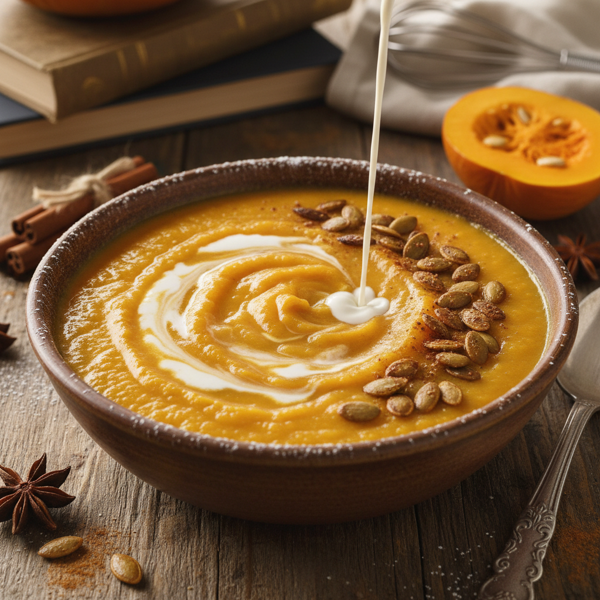
Creating your own fresh pumpkin puree is a delightful way to elevate your autumn baking. Unlike the large pumpkins used for carving, sugar pumpkins, also known as pie pumpkins, are smaller and boast a sweeter and more flavorful flesh. This recipe harnesses the natural sweetness and creaminess of these pumpkins, making them perfect for pies, muffins, and other treats. While the process is straightforward, it does require some patience, particularly during the cooling and straining stages. The result is a silky puree that captures the essence of fall and can be stored for various culinary endeavors. Remember to set aside the seeds for roasting as a nutritious snack!
N/A
Servings
N/A
Calories
2
Ingredients
Ingredients
Sugar pumpkin (or pie pumpkins)
1 (3 3/4-4 lb) (Cut in half, seeds and pulp removed)
Aluminum foil
1 sheet (For lining baking sheet)
Instructions
1
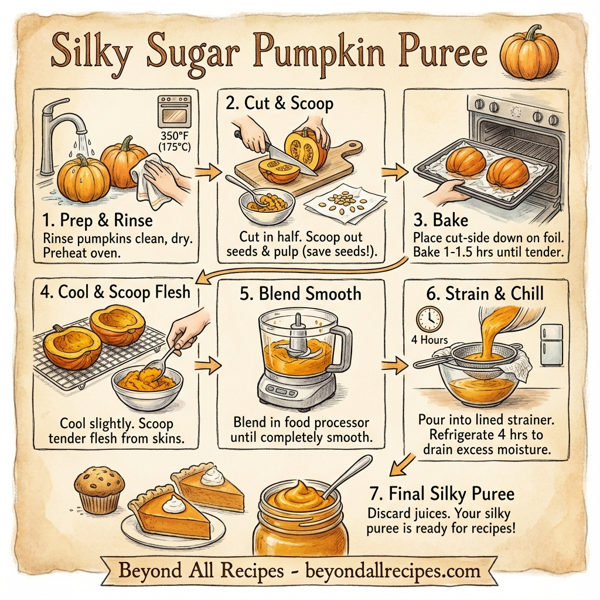
Preheat your oven to 350°F (175°C).
2
Prepare two baking sheets: line one with aluminum foil and the other with paper towels.
3
Rinse the exterior of the sugar pumpkins under cool water to remove any dirt, and dry them with a clean towel.
4
Using a large knife, carefully cut each pumpkin in half vertically.
5
Scoop out the seeds and stringy pulp from each half with a large spoon, keeping the seeds separate if you wish to save them.
6
Discard the pulp or compost it, and rinse the seeds under cool water. Spread the seeds on the paper towel-lined baking sheet to dry if saving them for later roasting.
7
Place the pumpkin halves cut side down on the prepared foil-lined baking sheet.
8
Bake in the preheated oven for 1 to 1 1/2 hours, or until the flesh of the pumpkin is tender when pierced with a fork.
9
Once baked, let the pumpkin halves cool until they are safe to handle.
10
Scoop the tender pumpkin flesh from the skins and transfer it to a food processor.
11
Blend until completely smooth, scraping down the sides as needed.
12
Prepare a strainer lined with cheesecloth or coffee filters, and place it over a large bowl.
13
Pour the pureed pumpkin into the strainer and refrigerate for about 4 hours, allowing the excess moisture to drain into the bowl.
14
After straining, discard the collected juices, and your fresh pumpkin puree is ready to use in your favorite recipes!
Nutrition Information
Frequently Asked Questions
Frequently Asked Questions
What is the best type of pumpkin for making puree?
Sugar pumpkins or pie pumpkins are the best choice because they are smaller, sweeter, and more flavorful than carving pumpkins.
Can I use the large pumpkins used for Halloween carving?
No, carving pumpkins are usually stringier and less flavorful than sugar pumpkins, which makes them less suitable for puree.
What temperature should I preheat my oven to?
Preheat your oven to 350 degrees Fahrenheit or 175 degrees Celsius.
How do I prepare the baking sheets for this recipe?
Line one baking sheet with aluminum foil for the pumpkin and another with paper towels if you are drying the seeds.
Should I wash the pumpkin before cutting it?
Yes, rinse the exterior under cool water to remove any dirt and dry it with a clean towel.
What is the best way to cut a sugar pumpkin?
Use a large knife to carefully cut the pumpkin in half vertically.
What should I do with the stringy pulp inside the pumpkin?
Scoop out the stringy pulp with a large spoon and discard or compost it.
Can I save the pumpkin seeds?
Yes, you can rinse and dry the seeds to roast later as a nutritious snack.
How do I dry the pumpkin seeds?
Rinse the seeds under cool water and spread them on a paper towel-lined baking sheet to dry.
How should I place the pumpkin halves on the baking sheet?
Place the pumpkin halves cut side down on the prepared foil-lined baking sheet.
How long does the pumpkin need to bake?
Bake in the preheated oven for 1 to 1 1/2 hours.
How can I tell if the pumpkin is finished baking?
The pumpkin is ready when the flesh is tender and can be easily pierced with a fork.
Should I scoop the flesh out while it is hot?
No, let the pumpkin halves cool until they are safe to handle before scooping out the flesh.
What tool is best for making the pumpkin flesh smooth?
Transfer the flesh to a food processor and blend until it is completely smooth.
Why is the puree strained after blending?
Straining removes excess moisture, ensuring the puree is silky and has the right consistency for baking.
How long does the puree need to be refrigerated for straining?
The puree should be refrigerated in a lined strainer for about 4 hours.
What should I line the strainer with?
Use cheesecloth or coffee filters to line the strainer.
What do I do with the liquid that drains from the puree?
You should discard the collected juices after the straining process is complete.
Is this pumpkin puree recipe vegan?
Yes, this recipe is naturally vegan as it contains only pumpkin.
What kind of recipes can I use this puree in?
It is perfect for pies, muffins, and other autumn-themed baked goods.
How many sugar pumpkins do I need?
This recipe uses one sugar pumpkin weighing approximately 3 3/4 to 4 pounds.
Does this recipe require any seasoning?
No, this is a plain puree recipe, allowing you to season it later depending on the specific dish you are making.
Is this recipe suitable for low-protein diets?
Yes, pumpkin puree is naturally low in protein.
Why use aluminum foil on the baking sheet?
Aluminum foil helps prevent sticking and makes cleanup easier after roasting.
Can I use a blender if I do not have a food processor?
Yes, a high-powered blender can also be used to achieve a silky smooth texture.
Is homemade puree better than store-bought?
Homemade puree captures the fresh essence of fall and often has a better flavor profile than canned options.
How much effort does this recipe require?
While the process is straightforward, it requires patience for the long baking and cooling times.
What happens if I skip the straining step?
The puree may be too watery, which can negatively affect the texture of your pies or cakes.
Can I compost the pumpkin skin?
Yes, the skins can be composted after you have scooped out the tender flesh.
Is this recipe safe for those with gluten allergies?
Yes, pure pumpkin is naturally gluten-free.