Savory Sage-Infused Roasted Winter Squash
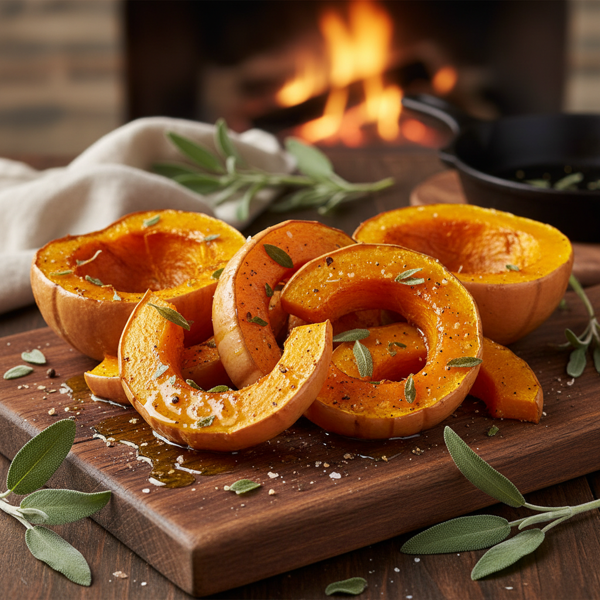
Indulge in the rich flavors of our savory sage-infused roasted winter squash, a delightful dish that transcends traditional vegetable sides. This recipe features caramelized squash drizzled with nutty browned butter and fragrant sage, elevating your dining experience to new heights. Perfectly roasted until tender, each bite combines the natural sweetness of winter squash with the herbaceous notes of fresh sage, making it an ideal addition to any meal or a splendid dessert option. Serve it warm and watch it disappear!
4
Servings
N/A
Calories
7
Ingredients
Ingredients
Extra-virgin olive oil
2 tablespoons (none)
Medium winter squash (butternut, acorn, etc.)
1 (halved lengthwise and seeded)
Unsalted butter
6 tablespoons (none)
Fresh sage leaves
6 medium (sliced thin)
Salt
to taste (none)
Fresh ground pepper
to taste (none)
Brown sugar
to taste (none)
Instructions
1
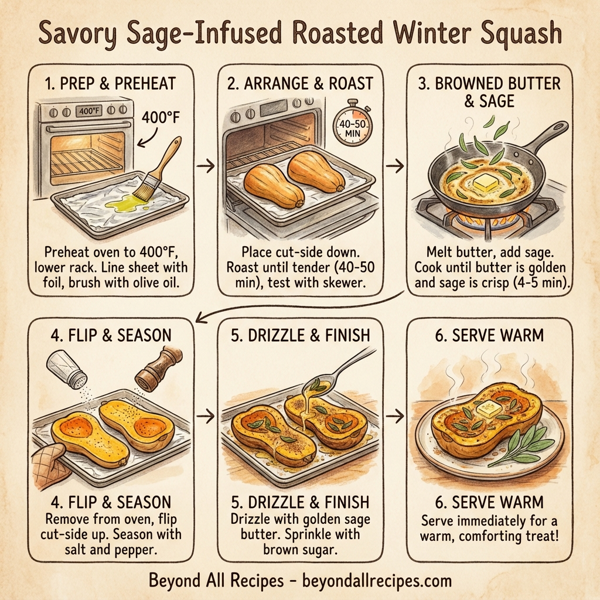
Preheat your oven to 400 degrees Fahrenheit and adjust the rack to the lower-middle position.
2
Line a rimmed baking sheet with aluminum foil for easy cleanup, then brush the foil and the cut sides of the squash with extra-virgin olive oil.
3
Place the squash halves cut-side down on the prepared baking sheet.
4
Roast the squash in the oven for 40 to 50 minutes, or until a skewer can easily penetrate the flesh without resistance.
5
While the squash is roasting, melt the unsalted butter in a small skillet over medium heat.
6
Add the thinly sliced fresh sage to the butter and cook, swirling the pan occasionally, until the butter becomes golden brown and the sage is crisp, approximately 4 to 5 minutes. Remove the skillet from the heat once done.
7
Once the squash is roasted, carefully remove it from the oven and flip the halves cut-side up.
8
Season the squash with salt and fresh ground pepper to taste.
9
Generously drizzle or brush the golden sage butter sauce over the roasted squash and finish by sprinkling with brown sugar.
10
Serve immediately for a warm, comforting dish that highlights the flavors of winter.
Nutrition Information
Frequently Asked Questions
Frequently Asked Questions
What is Savory Sage-Infused Roasted Winter Squash?
It is a vegetable side dish featuring caramelized squash drizzled with nutty brown butter and fragrant fresh sage.
What types of squash can be used in this recipe?
Medium winter squash varieties like butternut or acorn are ideal for this preparation.
What is the recommended oven temperature?
The oven should be preheated to 400 degrees Fahrenheit.
Which oven rack position is best for roasting the squash?
Adjust your oven rack to the lower-middle position for the best results.
How do I prepare the baking sheet?
Line a rimmed baking sheet with aluminum foil and brush it with extra-virgin olive oil.
Should the squash be roasted face up or face down?
The squash halves should be placed cut-side down on the prepared baking sheet initially.
How long does the squash need to roast?
Roast the squash for 40 to 50 minutes.
How can I tell if the squash is fully cooked?
The squash is done when a skewer can easily penetrate the flesh without any resistance.
What are the ingredients for the sage butter sauce?
The sauce consists of unsalted butter and thinly sliced fresh sage leaves.
How do I make the brown butter?
Melt unsalted butter in a small skillet over medium heat and cook until it becomes golden brown.
When should I add the sage to the butter?
Add the thinly sliced sage to the butter while it is melting and cook until the sage is crisp.
How long does it take to prepare the sage butter?
It takes approximately 4 to 5 minutes of cooking and swirling the pan.
When do I season the squash with salt and pepper?
Season the squash after it has finished roasting and has been flipped cut-side up.
What type of oil is used in this recipe?
Extra-virgin olive oil is used to brush the foil and the squash.
How many servings does this recipe provide?
This recipe yields 4 servings.
When is the brown sugar added to the dish?
The brown sugar is sprinkled over the squash as a finishing touch after the sage butter is applied.
Is this recipe suitable for vegetarians?
Yes, this is a vegetarian dish.
Can I serve this as a dessert?
Yes, the description notes it as a splendid dessert option due to its natural sweetness and brown sugar.
How should the fresh sage be prepared?
The sage leaves should be sliced thin before being added to the butter.
Do I need to seed the squash?
Yes, the squash should be halved lengthwise and seeded before roasting.
Can I use salted butter?
The recipe calls for unsalted butter, but if you use salted, adjust the additional salt seasoning accordingly.
What makes the butter 'nutty'?
Cooking butter until the milk solids turn golden brown creates a distinct nutty aroma and flavor.
Should the squash be served hot or cold?
It is best served immediately while warm for a comforting winter experience.
Is the squash peeled for this recipe?
No, the recipe indicates roasting the halved squash in its skin.
What type of pepper is recommended?
Fresh ground pepper is recommended for the best flavor.
What is the purpose of the aluminum foil?
Aluminum foil is used to line the baking sheet for easy cleanup.
How do I apply the sage butter to the squash?
You can generously drizzle or brush the golden sage butter sauce over the roasted halves.
Can I use dried sage?
Fresh sage is preferred for its fragrance and the ability to become crisp in the butter.
What is the category of this recipe?
This recipe falls under the Vegetable category.
Are there specific measurements for the brown sugar?
The recipe suggests adding brown sugar to taste rather than a fixed amount.