Quick & Creamy Fresh Mozzarella Cheese
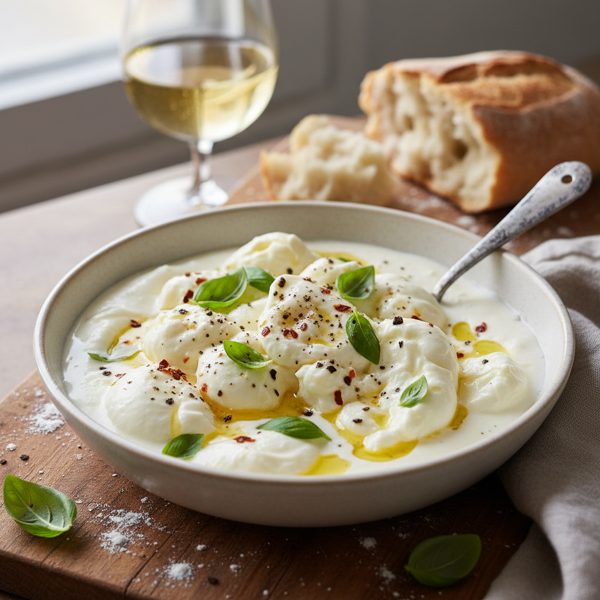
Experience the delight of homemade fresh mozzarella cheese right in your kitchen with this quick and easy recipe. Crafted in just 30 minutes, this creamy cheese boasts a rich flavor that is far superior to anything store-bought. Whether you're preparing a Caprese salad, topping a pizza, or simply enjoying it fresh with a drizzle of olive oil, this mozzarella will elevate your dishes to the next level. You'll need rennet and citric acid, readily available at health food stores or online. Remember to enjoy your mozzarella on the same day it's made for the best taste and texture – freshness is key!
N/A
Servings
15
Calories
5
Ingredients
Ingredients
Rennet tablet
1/2 (Crushed)
Cool chlorine-free water
1/4 cup (For dissolving rennet)
2% low-fat milk
1 gallon (Fresh)
Citric acid
2 teaspoons (Sprinkled into warm milk)
Salt
1 teaspoon (optional) (For flavoring during kneading)
Instructions
1
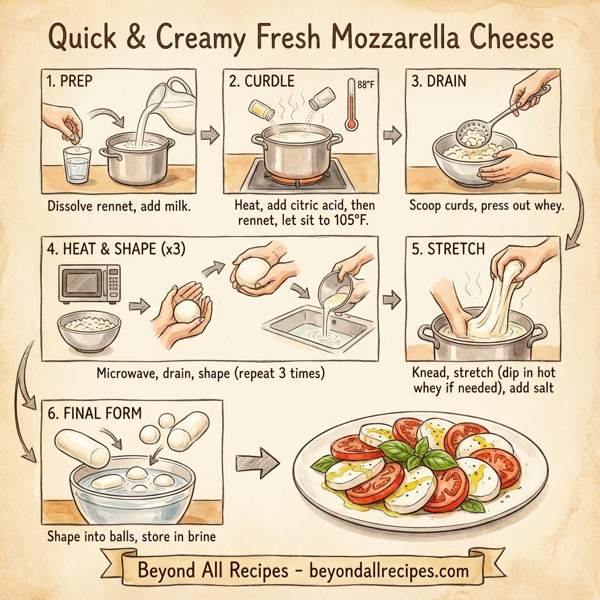
1. Begin by crushing a rennet tablet into 1/4 cup of cool, chlorine-free water. Stir well until dissolved.
2
2. Pour 1 gallon of 2% low-fat milk into a non-reactive pot (avoid aluminum or cast iron).
3
3. Heat the milk over medium heat, then sprinkle 2 teaspoons of citric acid over the surface and gently stir a few times.
4
4. Continue heating the milk until it reaches 88°F, at which point you will notice the milk starting to curdle.
5
5. Once it reaches 88°F, add the prepared rennet solution and stir slowly. Allow the mixture to sit without stirring until the temperature reaches 105°F, then turn off the heat.
6
6. With a slotted spoon or mesh strainer, carefully scoop out the curds into a large glass bowl. If the curds are too liquid, let them sit for an additional few minutes to firm up.
7
7. Gently press the curds with your hands to remove excess whey.
8
8. Transfer the curds to a microwave-safe bowl and microwave on high for 1 minute. Drain off any excess whey.
9
9. Using a spoon, begin pressing the curds into a ball while allowing them to cool slightly.
10
10. Microwave the curds two more times for 35 seconds, continuing to drain excess whey and shape the cheese into a ball each time.
11
11. Meanwhile, heat the whey in a separate pot over medium heat until it reaches about 175°F.
12
12. Once the cheese is cool enough to handle, knead it like dough until smooth. It should become stretchable like taffy. Optionally, sprinkle 1 to 2 teaspoons of salt into the cheese during this process.
13
13. To maintain pliability, if the cheese becomes difficult to stretch, briefly dip it in the hot whey.
14
14. Continue kneading and stretching until the cheese is shiny and smooth, usually taking just a few minutes.
15
15. Shape your mozzarella into logs or golf-sized balls and store it in a solution of 2 teaspoons of salt dissolved in 1 cup of water to enhance flavor.
Nutrition Information
0.9g
Fat
0.4g
Carbs
1.5g
Protein
Frequently Asked Questions
Frequently Asked Questions
What is the total preparation time for this fresh mozzarella?
This quick and creamy fresh mozzarella can be made in just 30 minutes.
What type of milk is used in this recipe?
The recipe calls for 1 gallon of 2% low-fat milk.
Why should I avoid using aluminum or cast iron pots?
You should use a non-reactive pot because acidic ingredients like citric acid can react with aluminum or cast iron, affecting the flavor and quality of the cheese.
How do I prepare the rennet for the cheese?
Crush 1/2 of a rennet tablet into 1/4 cup of cool, chlorine-free water and stir well until it is completely dissolved.
When should I add the citric acid to the milk?
Sprinkle 2 teaspoons of citric acid over the surface of the milk while heating it over medium heat, then gently stir.
At what temperature does the milk begin to curdle?
The milk will begin to curdle once it reaches a temperature of 88 degrees Fahrenheit.
When should I add the prepared rennet solution?
Add the rennet solution once the milk reaches 88 degrees Fahrenheit and stir slowly.
What is the final target temperature before turning off the heat?
Allow the mixture to sit until it reaches 105 degrees Fahrenheit, then turn off the heat.
What should I do if the curds are too liquid after heating?
If the curds are too liquid, let them sit for an additional few minutes to firm up before scooping them out.
How do I remove the curds from the pot?
Carefully scoop out the curds using a slotted spoon or a mesh strainer into a large glass bowl.
Why is the microwave used in this mozzarella recipe?
The microwave is used to heat the curds, which helps drain excess whey and makes the cheese pliable enough to shape and stretch.
What is the initial microwave duration for the curds?
The curds should first be microwaved on high for 1 minute, after which you should drain any excess whey.
How many times should the curds be microwaved for 35 seconds?
Microwave the curds two more times for 35 seconds each, draining and shaping the cheese after each interval.
What temperature should the whey reach for dipping the cheese?
Heat the leftover whey in a separate pot until it reaches approximately 175 degrees Fahrenheit.
When should salt be added to the mozzarella?
Salt can be optionally sprinkled into the cheese (1 to 2 teaspoons) during the kneading and stretching process.
How do I know when the mozzarella is finished kneading?
The cheese is ready when it becomes shiny, smooth, and stretchable like taffy.
What should I do if the cheese becomes difficult to stretch?
If the cheese loses pliability, briefly dip it in the hot whey to soften it again.
How should the finished mozzarella be shaped?
You can shape the mozzarella into logs or small golf-sized balls.
What is the best way to store homemade mozzarella?
Store the cheese in a brine solution consisting of 2 teaspoons of salt dissolved in 1 cup of water.
How long does this homemade mozzarella stay fresh?
For the best taste and texture, it is recommended to enjoy the mozzarella on the same day it is made.
What are the calorie counts for this recipe?
This mozzarella contains approximately 15 calories per serving.
How much protein is in a serving of this cheese?
Each serving contains 1.5g of protein.
What are the total fat and carbohydrate contents?
Each serving contains 0.9g of fat and 0.4g of carbohydrates.
Where can I find rennet and citric acid?
These ingredients are available at health food stores or through various online retailers.
What are some suggested uses for this cheese?
It is excellent for Caprese salads, topping pizzas, or served fresh with a drizzle of olive oil.
Is this recipe considered easy to make?
Yes, it is designed to be a quick and easy recipe that takes only 30 minutes to complete.
What is the purpose of the chlorine-free water?
Chlorine can interfere with the activity of the rennet, so chlorine-free water ensures the cheese sets properly.
How many ingredients are required in total?
There are 5 ingredients: rennet, water, milk, citric acid, and salt.
What kind of texture does this mozzarella have?
This homemade recipe produces a creamy and rich-flavored mozzarella.
What category of cuisine does this recipe fall under?
This recipe is categorized under Italian cuisine and fresh cheese making.