Perfectly Seasoned Sushi Rice
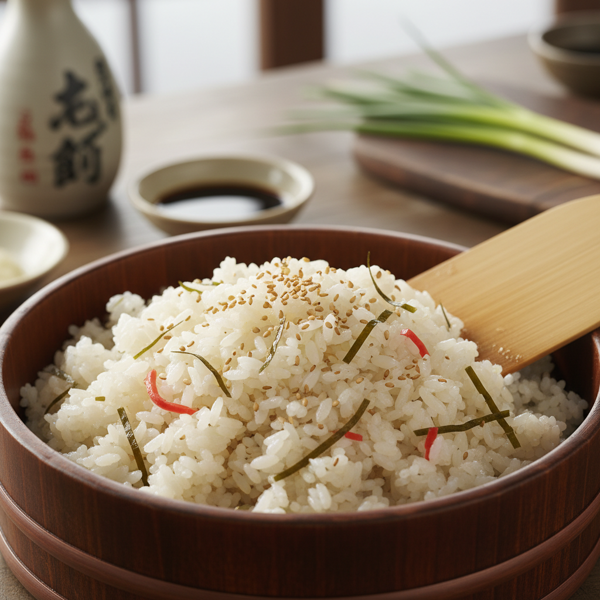
Create the perfect foundation for your sushi with this expertly crafted sushi rice recipe. Using short grain rice, this dish features a delightful balance of sweet and tangy flavors achieved through a mixture of rice vinegar, lemon juice, salt, and sugar. Ideal for rolls, nigiri, or as a tasty side, this recipe will elevate your sushi-making experience, making it simple enough for home cooks while yielding results akin to what you’d find at a sushi restaurant. Prepare to impress your friends and family with your homemade sushi using this authentic sushi rice recipe!
N/A
Servings
N/A
Calories
6
Ingredients
Ingredients
sushi rice
3/4 cup (rinse and soak)
water
1 cup (for cooking)
lemon juice
1 1/2 tablespoons (freshly squeezed)
rice vinegar
1 1/2 tablespoons (unseasoned)
salt
1/2 teaspoon (to taste)
sugar
2 tablespoons (granulated)
Instructions
1
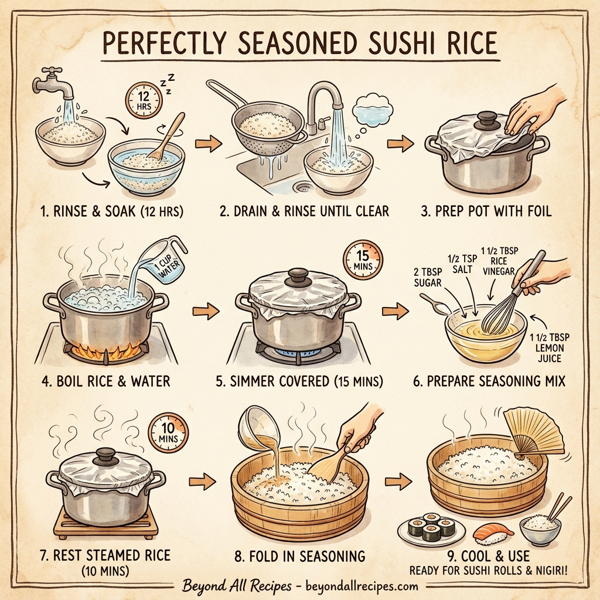
Start by rinsing the sushi rice in a bowl to remove any excess starch. Allow it to soak in cold water for at least 12 hours to achieve the perfect texture.
2
After soaking, drain the rice thoroughly. Rinse the rice 3-5 times under cold running water until the water runs clear to remove any remaining starch.
3
Prepare your cooking pot by covering the lid with aluminum foil to help trap steam and moisture.
4
In a pot, combine the soaked and drained sushi rice with 1 cup of fresh water. Place the pot over high heat until the water reaches a rolling boil.
5
Once boiling, reduce the heat to low, cover the pot tightly, and let it simmer for approximately 15 minutes, or until all the water is absorbed. Avoid lifting the lid during cooking.
6
While the rice cooks, in a separate mixing bowl, combine 2 tablespoons of sugar, 1/2 teaspoon of salt, 1 1/2 tablespoons of rice vinegar, and 1 1/2 tablespoons of lemon juice. Whisk the mixture until the sugar and salt completely dissolve.
7
Once the rice has finished cooking and absorbed all the water, remove it from heat. Let it sit covered for an additional 10 minutes to steam.
8
Transfer the rice to a large bowl and gently fold in the vinegar mixture using a wooden spatula to ensure even seasoning without smashing the rice grains.
9
Allow the rice to cool to room temperature before using it in your favorite sushi recipes.
Nutrition Information
Frequently Asked Questions
Frequently Asked Questions
What type of rice is used in this recipe?
This recipe uses short grain sushi rice to achieve the perfect texture for sushi.
How much sushi rice is required?
The recipe calls for 3/4 cup of sushi rice.
How long should the sushi rice be soaked?
The rice should be soaked in cold water for at least 12 hours for the best results.
Why do I need to rinse the rice multiple times?
Rinsing the rice 3-5 times removes excess starch, ensuring the water runs clear and the grains don't get too sticky.
What is the ratio of water to rice for cooking?
This recipe uses 1 cup of fresh water for 3/4 cup of soaked and drained sushi rice.
What is the purpose of using aluminum foil on the pot lid?
Aluminum foil helps trap steam and moisture inside the pot during the cooking process.
How long does the rice need to simmer?
The rice should simmer on low heat for approximately 15 minutes or until all water is absorbed.
Can I lift the lid while the rice is cooking?
No, you should avoid lifting the lid during the cooking process to keep the steam inside.
How long should the rice sit after cooking?
After removing from heat, let the rice sit covered for an additional 10 minutes to steam.
What ingredients are in the sushi rice seasoning?
The seasoning consists of 2 tablespoons of sugar, 1/2 teaspoon of salt, 1 1/2 tablespoons of rice vinegar, and 1 1/2 tablespoons of lemon juice.
Is lemon juice a standard ingredient for sushi rice?
This specific recipe uses freshly squeezed lemon juice to add a unique tangy balance to the flavor.
What kind of vinegar is best for this recipe?
Unseasoned rice vinegar is recommended for this sushi rice recipe.
How do I prepare the vinegar mixture?
Whisk the sugar, salt, rice vinegar, and lemon juice in a bowl until the solids are completely dissolved.
When should I add the seasoning to the rice?
Add the vinegar mixture after the rice has finished cooking and steaming for 10 minutes.
Why use a wooden spatula to mix the rice?
A wooden spatula allows you to gently fold in the seasoning without smashing or damaging the rice grains.
At what temperature should the rice be used for sushi?
Allow the rice to cool to room temperature before using it in sushi rolls or nigiri.
Is this sushi rice recipe vegan?
Yes, this recipe is labeled as vegan.
Is this recipe gluten-free?
Yes, this sushi rice recipe is gluten-free.
Can I use this rice for nigiri?
Yes, this rice is ideal for rolls, nigiri, or as a side dish.
What is the total number of ingredients?
There are 6 ingredients in this recipe: rice, water, lemon juice, rice vinegar, salt, and sugar.
How much sugar is in the seasoning?
The recipe uses 2 tablespoons of granulated sugar.
How much salt is needed?
The recipe requires 1/2 teaspoon of salt.
Should the rice be drained after soaking?
Yes, the rice must be drained thoroughly after the 12-hour soak before the final rinses.
What heat level should I start with?
Start by placing the pot over high heat until the water reaches a rolling boil.
What heat level is used for simmering?
Once boiling, reduce the heat to low for the simmering stage.
Does this recipe yield restaurant-quality results?
Yes, the recipe is designed to yield results akin to what you would find at a sushi restaurant.
What type of sugar should I use?
Granulated sugar is specified for the seasoning mixture.
Can I use this as a standalone side dish?
Yes, it is versatile enough to be served as a tasty side dish on its own.
Is the lemon juice freshly squeezed?
Yes, the ingredient list specifies freshly squeezed lemon juice.
What culture does this cuisine belong to?
This recipe is part of Japanese cuisine and Asian cooking.