Perfectly Fluffy Jasmine Rice in the Pressure Cooker
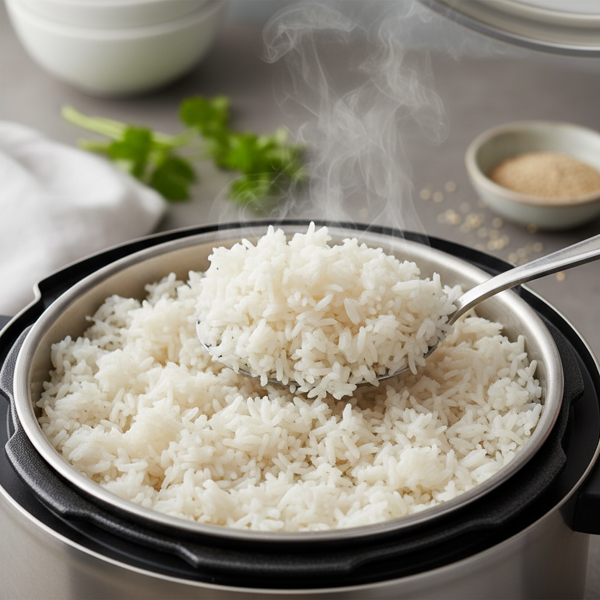
Achieve perfectly fluffy jasmine rice every time using a pressure cooker. This method ensures the rice is cooked evenly without any burning or sticking to the bottom. Ideal for pairing with your favorite Asian dishes, curries, or stir-fries, this recipe offers a quick and efficient way to prepare jasmine rice that will elevate any meal. With the precise water-to-rice ratio and precise timing, you’ll have a side dish that’s aromatic, tender, and ready in under 30 minutes.
4
Servings
N/A
Calories
2
Ingredients

Ingredients
jasmine rice
1 (cup)
water
1 2/3 (cups)
Instructions
1
Rinse the jasmine rice under cold water until the water runs clear to remove excess starch. This helps prevent it from becoming overly sticky.
2
In the pressure cooker, combine the rinsed jasmine rice and measured water.
3
Seal the lid tightly and turn the heat to high to bring the cooker to pressure.
4
Once at pressure, reduce heat to medium and cook for exactly 2 1/2 minutes.
5
After cooking, remove the pressure cooker from the heat source and allow it to naturally release pressure for 10 minutes.
6
If needed, carefully release any remaining pressure. Open the lid and fluff the rice gently with a fork to separate the grains.
7
Cover the rice with the lid again and let it sit for an additional 20 minutes. This step allows the rice to set and absorb any remaining moisture, resulting in a perfect texture.
Nutrition Information
Frequently Asked Questions
Frequently Asked Questions
What is the ratio of water to jasmine rice for the pressure cooker?
The ratio for this recipe is 1 2/3 cups of water for every 1 cup of jasmine rice.
How long should I cook the jasmine rice under pressure?
Once the cooker reaches pressure, you should cook the jasmine rice for exactly 2 1/2 minutes.
Why do I need to rinse the jasmine rice?
Rinsing the rice under cold water removes excess starch, which helps prevent the grains from becoming overly sticky.
How long is the natural pressure release period?
You should allow the pressure cooker to naturally release pressure for 10 minutes after the cooking time is complete.
What is the final resting time for the rice?
After fluffing the rice, cover it with the lid again and let it sit for an additional 20 minutes to set and absorb remaining moisture.
Is this jasmine rice recipe gluten-free?
Yes, jasmine rice is naturally gluten-free, making this a suitable side dish for gluten-free diets.
How many servings does this recipe yield?
This recipe yields approximately 4 servings.
What heat setting should I use to bring the cooker to pressure?
You should turn the heat to high to bring the pressure cooker up to the required pressure level.
Should I change the heat level once the cooker is at pressure?
Yes, once the cooker is at pressure, reduce the heat to medium for the duration of the 2 1/2 minute cooking time.
How do I prevent the rice from burning or sticking?
Using a pressure cooker with the precise water-to-rice ratio and timing specified ensures the rice cooks evenly without burning or sticking.
What is the best tool for fluffing the rice?
A fork is the best tool to gently fluff the rice and separate the grains without mashing them.
Can I use this rice for Asian cuisine?
Absolutely, this aromatic jasmine rice is ideal for pairing with Asian dishes, curries, and stir-fries.
How long does the total process take?
The recipe is designed to be efficient, providing aromatic and tender rice in under 30 minutes of active time.
Do I need to use cold water for rinsing?
Yes, the instructions specify rinsing the jasmine rice under cold water until it runs clear.
What should I do if there is still pressure after the 10-minute natural release?
If needed, you can carefully release any remaining pressure manually before opening the lid.
What category does this recipe fall under?
This recipe is categorized under White Rice.
Does this recipe work for other types of rice?
This specific method and water ratio are optimized for jasmine rice; other varieties may require different settings.
Can I use this rice for meal prep?
Yes, this pressure cooker method provides consistent results that are great for meal prepping side dishes.
Is the lid sealed during the cooking process?
Yes, the lid must be sealed tightly to allow the pressure to build correctly.
How do I know when the rice is done rinsing?
The rice is sufficiently rinsed when the water running through it becomes clear rather than cloudy.
What ingredients are needed for this recipe?
You only need two ingredients: jasmine rice and water.
Is the rice aromatic?
Yes, jasmine rice is known for its natural aromatic qualities, which are preserved in this recipe.
What is the benefit of the final 20-minute rest?
The final rest allows the rice to set and ensures a perfect, fluffy texture by absorbing any residual steam.
Can I use this method for a quick side dish?
Yes, this is an easy and quick side dish recipe perfect for busy weeknights.
Should the rice be fluffed before or after the 20-minute rest?
The rice should be fluffed gently with a fork immediately after the pressure is released, then allowed to rest for 20 minutes.
Is this recipe suitable for beginners?
Yes, the clear instructions and minimal ingredients make it an excellent recipe for those new to pressure cooking.
Can I add other seasonings to the rice?
While this recipe focuses on the base rice, you can certainly add salt or other seasonings to the water before cooking.
How do I ensure the rice is tender?
Following the specific 2 1/2 minute cook time and the natural release/rest steps ensures the grains are perfectly tender.
Does this method produce sticky rice?
By rinsing the rice and following the pressure cooker steps, you achieve fluffy, separate grains rather than overly sticky rice.
What is the primary equipment needed?
The primary equipment needed is a pressure cooker.