Perfectly Flaky Chicago-Style Thin Crust Pizza
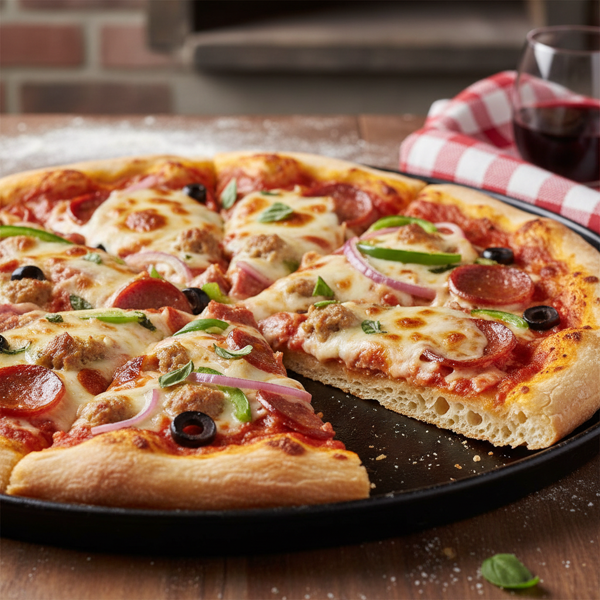
Indulge in the delightful balance of a flaky, delicate thin crust paired with a rich, robust tomato sauce reminiscent of Chicago's iconic deep dish. This recipe is a labor of love, meticulously crafted to bring the best of both worlds to your dining table. The buttery crust, infused with garlic, provides a crispy base that complements the naturally sweet and savory sauce, enhanced by aromatic herbs and a hint of red wine. Perfect for pizza nights or gatherings, this pizza will surely become a family favorite!
N/A
Servings
N/A
Calories
17
Ingredients
Ingredients
all-purpose flour
2 cups (none)
granulated sugar
1 tablespoon (none)
salt
1 teaspoon (none)
finely chopped garlic
1 tablespoon (none)
butter, cubed and chilled
1/2 cup (cubed)
warm water
2/3 cup (warmed)
instant yeast
1/2 teaspoon (none)
olive oil
2 tablespoons (none)
chopped garlic
1 tablespoon (none)
chopped basil
2 teaspoons (none)
chopped oregano
1 teaspoon (none)
salt
1/2 teaspoon (none)
ground black pepper
1/4 teaspoon (none)
red pepper flakes
1/4 teaspoon (none)
coarsely crushed tomatoes
1 (28 ounce) can (none)
dry red wine
1 tablespoon (none)
sugar
2 teaspoons (none)
Instructions
1
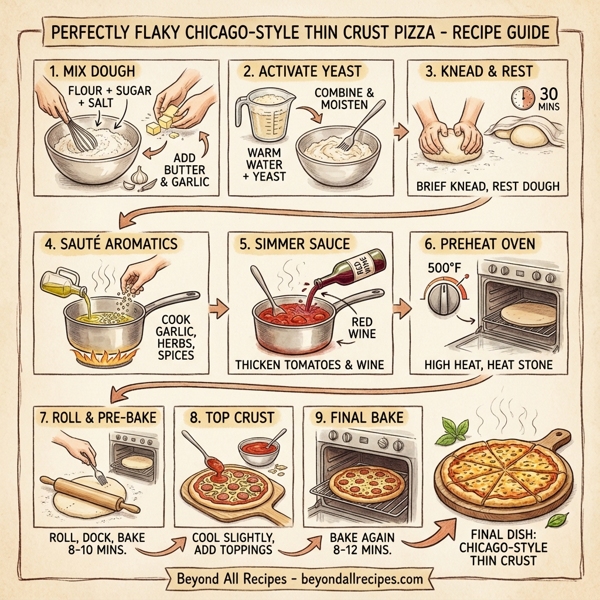
In a large mixing bowl, whisk together the flour, sugar, and salt until well combined. Add the chilled, cubed butter and use your fingers to work the butter into the flour mixture until small lumps form, creating that signature flaky texture. Stir in the finely chopped garlic for added flavor.
2
In a separate measuring cup, combine the warm water and instant yeast. Allow the yeast to activate for about 5 minutes until frothy. Pour this mixture into the flour and butter blend. Using a fork, mix until the dough comes together and is evenly moistened.
3
Knead the dough gently on a lightly floured surface for just one minute until smooth. Divide the dough into two equal portions, shape them into balls, and cover with a damp kitchen towel. Let them rest for at least 30 minutes to allow the gluten to relax.
4
While the dough is resting, prepare the tomato sauce. Heat olive oil in a medium saucepan over medium-high heat. Add chopped garlic and sauté for about 30 seconds until fragrant. Stir in the herbs, salt, black pepper, and red pepper flakes, cooking for an additional 30 seconds to toast the spices.
5
Add the coarsely crushed tomatoes, dry red wine, and sugar to the saucepan. Bring the mixture to a boil, then reduce the heat to simmer. Allow the sauce to thicken for 20 to 30 minutes, stirring occasionally. Once thickened, remove from heat and let cool.
6
Preheat your oven to 500°F (or as high as it can go). If using a pizza stone, place it in the oven to preheat as well.
7
Take one ball of dough and roll it out on a lightly floured surface into a 12-inch circle, ensuring an even thickness. Use a fork to prick the surface of the dough to prevent bubbling. Bake the crust in the preheated oven for 8-10 minutes until lightly golden.
8
Remove the crust from the oven and let it cool for about 5 minutes. Top with the prepared tomato sauce and your favorite toppings, being mindful not to overload the pizza to avoid sogginess.
9
Return the pizza to the oven and bake for another 8-12 minutes, or until the cheese is fully melted and starts to brown. If desired, repeat this process with the second ball of dough or save it for later use.
Nutrition Information
Frequently Asked Questions
Frequently Asked Questions
What makes Chicago-style thin crust pizza unique?
Chicago-style thin crust is known for its flaky, biscuit-like texture and a robust, herb-infused tomato sauce, differing from the chewy texture of New York-style pizza.
How do I achieve a flaky pizza crust?
To get a flaky texture, use chilled, cubed butter and work it into the flour mixture until small lumps form before adding the liquid.
What type of flour is recommended for this recipe?
This recipe specifically calls for all-purpose flour to help create the desired delicate and flaky crust.
How long does the dough need to rest?
The dough should rest for at least 30 minutes under a damp kitchen towel to allow the gluten to relax for easier rolling.
What is the purpose of adding garlic to the dough?
Finely chopped garlic is stirred into the flour and butter mixture to infuse the crust with extra flavor.
How long should I knead the Chicago-style thin crust dough?
Knead the dough gently for just one minute until it becomes smooth; over-kneading can toughen the flaky crust.
What temperature should the oven be set to?
Preheat your oven to 500°F (260°C) or as high as it can go for the best results.
Do I need a pizza stone for this recipe?
While not mandatory, using a preheated pizza stone is recommended to ensure a crispy base.
How long does the tomato sauce need to simmer?
The sauce should simmer for 20 to 30 minutes until it thickens to a rich consistency.
Why is red wine used in the pizza sauce?
A tablespoon of dry red wine is added to enhance the depth of flavor and complement the savory herbs and tomatoes.
How do I prevent the pizza crust from bubbling during baking?
Use a fork to prick the surface of the rolled-out dough before putting it in the oven to prevent air bubbles from forming.
Should I pre-bake the pizza crust?
Yes, the recipe suggests baking the rolled-out dough for 8-10 minutes until lightly golden before adding toppings.
How many pizzas does this recipe make?
This recipe provides enough dough for two 12-inch pizzas.
What type of tomatoes are best for the sauce?
The recipe calls for one 28-ounce can of coarsely crushed tomatoes.
Can I use active dry yeast instead of instant yeast?
The recipe specifies instant yeast, which is mixed with warm water for 5 minutes until frothy before being added to the flour.
How do I avoid a soggy pizza?
To avoid sogginess, let the crust cool for 5 minutes after pre-baking and be mindful not to overload the pizza with too many heavy toppings.
What herbs are used in the Chicago-style sauce?
The sauce is seasoned with chopped basil and oregano for an aromatic, traditional flavor profile.
How thin should I roll the dough?
Roll each dough ball into a 12-inch circle, ensuring the thickness is even throughout.
Is sugar necessary in the dough?
The dough uses one tablespoon of granulated sugar to assist with browning and to balance the flavors.
How long is the final bake once toppings are added?
Bake the topped pizza for an additional 8-12 minutes until the cheese is melted and starts to brown.
Can I save the second dough ball for later?
Yes, you can repeat the baking process immediately for a second pizza or save the second ball of dough for later use.
What is the role of butter in the crust?
The butter provides a rich flavor and, when worked into the flour in small lumps, creates the signature flaky texture of Chicago thin crust.
How much yeast is required for this recipe?
You will need 1/2 teaspoon of instant yeast.
Should the garlic for the sauce be sautéed?
Yes, sauté the chopped garlic in olive oil for about 30 seconds until fragrant before adding the spices and tomatoes.
Can I add red pepper flakes to the sauce?
Yes, the recipe includes 1/4 teaspoon of red pepper flakes for a subtle hint of heat.
How much water is needed for the dough?
Use 2/3 cup of warm water to activate the yeast and bind the dough.
Does the sauce require sugar?
The sauce includes 2 teaspoons of sugar to balance the acidity of the tomatoes.
What preparation is needed for the butter?
The butter should be cubed and chilled before being incorporated into the dry ingredients.
How much olive oil is used?
Two tablespoons of olive oil are used to sauté the garlic and spices for the sauce.
What spices are used in the sauce?
The sauce is seasoned with salt, black pepper, and red pepper flakes, which are toasted briefly in oil to enhance their flavor.