Natural Produce Cleaner & Preserver
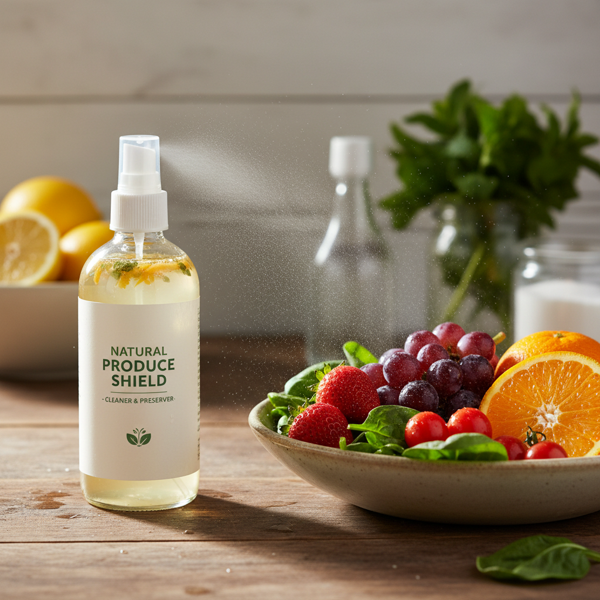
Creating your own Natural Produce Cleaner & Preserver is a simple and cost-effective way to ensure that your fruits and vegetables are free from harmful chemicals and pesticides. This easy-to-make spray utilizes the natural cleaning power of vinegar and baking soda while also enhancing the solution with optional grapefruit seed extract, known for its natural antibacterial properties. Perfect for those who want to enjoy the benefits of fresh produce without the worry of unwanted residues, this cleaner is ideal for rinsing both organic and conventionally grown fruits and vegetables. Just remember, the reaction between the baking soda and vinegar can be vigorous, so be sure to mix in a deep pitcher to prevent any mess. This recipe is friendly to your vegan lifestyle and will contribute to your health-conscious choices.
N/A
Servings
N/A
Calories
4
Ingredients
Ingredients
Water
1 cup (plain)
Vinegar
1 cup (plain)
Baking Soda
1 tablespoon (plain)
Grapefruit Seed Extract
20 drops (optional, available at health food stores)
Instructions
1
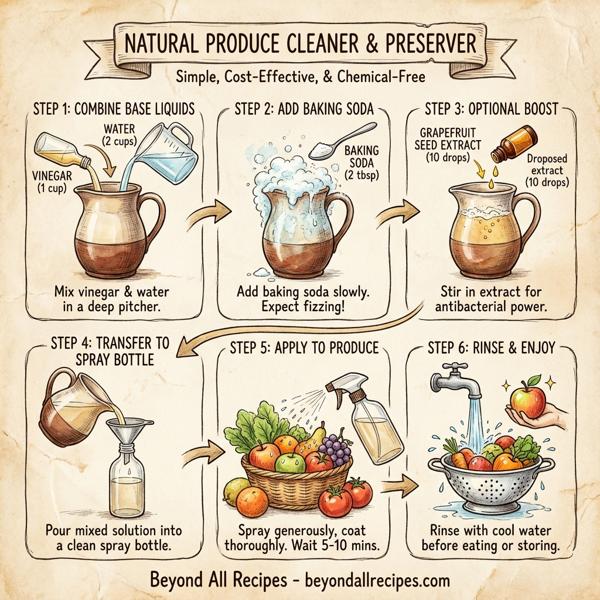
In a deep pitcher, carefully combine the vinegar and water to avoid excess foaming.
2
Add the baking soda gradually, stirring gently to mix. Expect some fizzing and bubbling due to the reaction.
3
If desired, add the grapefruit seed extract and stir to combine.
4
Once fully mixed, carefully pour the solution into a clean spray bottle.
5
To use, spray generously on your fruits and vegetables, ensuring they are thoroughly coated.
6
Let the mixture sit on the produce for 5 to 10 minutes to effectively break down residues.
7
Rinse the fruits and vegetables under cool running water before consuming or storing.
Nutrition Information
Frequently Asked Questions
Frequently Asked Questions
What is the Natural Produce Cleaner & Preserver?
It is a homemade solution made from vinegar, water, and baking soda designed to remove pesticides and chemicals from fruits and vegetables.
Why should I use a homemade produce wash instead of just water?
The combination of vinegar and baking soda helps break down waxes and residues that water alone cannot effectively remove.
Is this produce cleaner safe for all types of fruits?
Yes, it is safe for both organic and conventionally grown fruits and vegetables.
What are the primary ingredients needed?
The recipe requires 1 cup of water, 1 cup of vinegar, 1 tablespoon of baking soda, and optional grapefruit seed extract.
Why is vinegar used in this recipe?
Vinegar is a natural cleaning agent that helps dissolve surface residues and kill some bacteria.
What role does baking soda play in the cleaner?
Baking soda reacts with the vinegar to create a foaming action that helps lift dirt and contaminants from the produce.
Is grapefruit seed extract necessary for the recipe?
No, it is optional, but it is highly recommended for its natural antibacterial properties.
Where can I find grapefruit seed extract?
It is typically available at most health food stores.
Why must I mix the solution in a deep pitcher?
The reaction between baking soda and vinegar causes vigorous fizzing and bubbling, which can overflow in a shallow container.
Can I mix the ingredients directly in the spray bottle?
It is not recommended because the initial foaming reaction requires more space than a standard spray bottle provides.
How long should the cleaner sit on the produce?
You should let the mixture sit for 5 to 10 minutes to effectively break down unwanted residues.
Do I need to rinse the produce after spraying?
Yes, always rinse your fruits and vegetables under cool running water before eating or storing them.
Is this recipe suitable for a vegan lifestyle?
Yes, all ingredients are plant-derived or mineral-based, making it 100% vegan.
Does this cleaner help remove pesticides?
Yes, it is specifically formulated to help remove harmful chemicals and pesticides from the skin of produce.
Can I use this on leafy greens?
Yes, you can spray it on leafy greens, though you should ensure they are thoroughly rinsed afterward.
Is the solution eco-friendly?
Yes, it uses natural ingredients that are biodegradable and free from harsh synthetic chemicals.
Is this produce wash cost-effective?
Yes, it is much cheaper than commercial produce washes as it uses common household staples.
What type of vinegar works best for this recipe?
Plain white distilled vinegar is most commonly used for its neutral color and cleaning efficiency.
Does the cleaner leave a vinegar taste on the food?
No, as long as the produce is rinsed well with cool water, there should be no lingering taste.
What temperature water should be used for rinsing?
Cool running water is best for rinsing to maintain the crispness of the produce.
How many drops of grapefruit seed extract should I add?
The recipe suggests adding 20 drops for the best antibacterial effect.
Can this solution help preserve produce?
By removing bacteria and mold spores, it can help fruits and vegetables stay fresh slightly longer.
Is this cleaner safe for children to use on their snacks?
Yes, it is non-toxic and safe, though children should be supervised when using spray bottles.
Should I dry the produce after rinsing?
Yes, drying produce before storing helps prevent mold growth and keeps it fresh.
How should I store any leftover cleaning solution?
Store it in a clean spray bottle in a cool, dark place for maximum shelf life.
Does it remove wax from apples?
The mixture of vinegar and baking soda is effective at helping to break down the wax coatings on produce like apples.
Can I use this on mushrooms?
Mushrooms are very porous, so it is better to wipe them with a damp cloth rather than spraying them directly with this solution.
Is there a specific order for adding ingredients?
Yes, combine water and vinegar first, then add baking soda gradually to control the foaming.
Is this cleaner better for the environment than soap?
Yes, it avoids the surfactants and fragrances found in soaps that can be harmful to aquatic life.
Can I use lemon juice instead of vinegar?
Lemon juice is also acidic and can be used, but vinegar is generally more effective for a wider range of cleaning tasks.