Lemon Herb White Wine Poached Cod
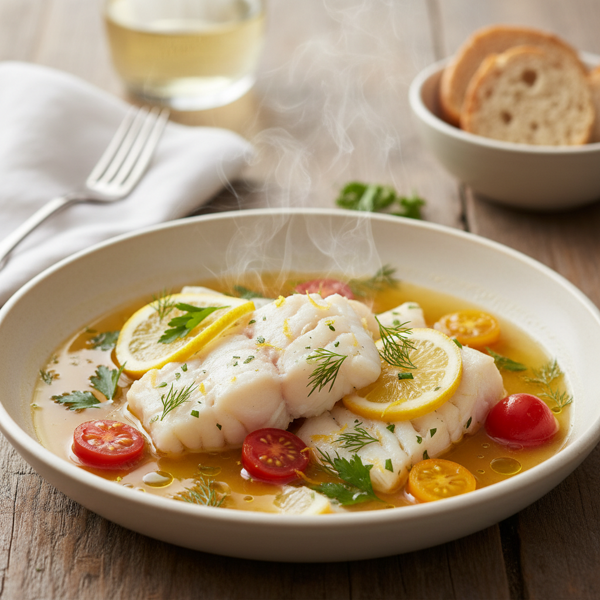
Indulge in the delicate and flavorful Lemon Herb White Wine Poached Cod, a sophisticated yet simple dish that brings out the best in fresh fish. This cooking technique results in tender, flaky cod infused with aromatic garlic, zesty lemon, and briny capers, all beautifully set against a backdrop of white wine. Not only does this method create an exquisite dining experience, but it also serves as a preserving technique, allowing you to enjoy leftover fish without compromising flavor. Perfect for a healthy, low-cholesterol meal, this recipe is both elegant enough for entertaining and easy enough for a weeknight dinner.
N/A
Servings
N/A
Calories
7
Ingredients

Ingredients
olive oil
2 tablespoons (extra virgin, for sautéing)
garlic
3 cloves (diced)
white wine
2-3 cups (dry)
cod
1 lb (fresh fillets)
capers
1 tablespoon (rinsed and drained)
lemon
1/2 (juiced)
butter
1 teaspoon (unsalted)
Instructions
1
In a large skillet, heat the olive oil over medium heat. Add the diced garlic and sauté until it becomes fragrant and lightly golden, about 2 minutes.
2
Pour in 2 to 3 cups of white wine and bring to a vigorous boil. Allow the wine to reduce slightly for about 3-4 minutes.
3
While the wine is heating, season the cod fillets with salt and pepper to taste.
4
Carefully place the seasoned cod into the simmering wine, skin side down. Poach the fish for approximately 4-5 minutes until the bottom is flaky. Gently flip the fillets to poach the other side for an additional 3-4 minutes, or keep the fish submerged if doubling the wine.
5
Once the fish is cooked through and flaky, remove from the skillet and set aside on a serving plate.
6
To the remaining poaching liquid, add the fresh lemon juice and capers. Stir and let it simmer for another 2-3 minutes to meld the flavors.
7
Finish the sauce with a teaspoon of butter, stirring until melted and glossy. Spoon the sauce over the poached cod and serve immediately, garnished with additional lemon slices if desired.
Nutrition Information
Frequently Asked Questions
Frequently Asked Questions
What is Lemon Herb White Wine Poached Cod?
It is a delicate and sophisticated seafood dish where cod fillets are gently cooked in a simmering mixture of white wine, garlic, lemon, and capers.
What type of fish is best for this recipe?
Fresh cod fillets are recommended for their mild flavor and flaky texture, though other white fish like halibut or haddock can be substituted.
What kind of white wine should I use?
A dry white wine such as Sauvignon Blanc, Pinot Grigio, or Chardonnay is best for poaching fish as it provides a crisp acidity.
How do I know when the cod is finished cooking?
The cod is done when the flesh is opaque and flakes easily when tested with a fork, usually after 7 to 9 minutes of poaching.
Is this recipe healthy?
Yes, this poaching method is a low-cholesterol and healthy way to prepare seafood without the need for heavy oils or deep frying.
Can I make this recipe without alcohol?
Yes, you can substitute the white wine with fish stock or vegetable broth and an extra squeeze of lemon juice to maintain the acidity.
What should I serve with poached cod?
This dish pairs beautifully with light sides like steamed asparagus, quinoa, roasted potatoes, or a fresh green salad.
How long does the poaching process take?
The actual poaching takes about 4-5 minutes on the first side and 3-4 minutes on the second side, totaling approximately 7-9 minutes.
Should I leave the skin on the fish?
The recipe suggests placing the cod skin side down initially to help hold the fillet together while poaching.
What do capers add to the dish?
Capers provide a briny, salty pop of flavor that complements the acidity of the lemon and the richness of the fish.
Can I use frozen cod for this recipe?
Yes, but ensure the cod is completely thawed and patted dry with paper towels before you begin cooking.
How do I sauté the garlic correctly?
Heat the olive oil over medium heat and sauté the diced garlic for about 2 minutes until it is fragrant and lightly golden, being careful not to burn it.
Why is the white wine boiled before adding the fish?
Bringing the wine to a boil and reducing it slightly concentrates the flavors and ensures the poaching liquid is at the right temperature for cooking.
Can I use bottled lemon juice?
Fresh lemon juice is highly recommended for the best flavor, as it provides a brighter and more aromatic zest than bottled versions.
Is the butter necessary at the end?
The teaspoon of butter is used to 'mount' the sauce, giving it a glossy finish and a smooth, velvety texture.
How can I tell if my cod is fresh?
Fresh cod should have a clean, mild scent of the sea, firm translucent flesh, and no dark spots or bruising.
What if I do not have a large skillet?
You can use any wide, shallow pan or a sauté pan as long as it is large enough to hold the fillets in a single layer.
Can I double the recipe for guests?
Yes, simply double the ingredients. If you increase the wine, you may not need to flip the fish if they are fully submerged.
How should I store leftovers?
Store any leftover fish and sauce in an airtight container in the refrigerator for up to 2 days.
Can I reheat poached cod?
Yes, reheat it gently in a pan over low heat with a bit of the leftover poaching liquid to prevent the fish from drying out.
Is this recipe gluten-free?
Yes, as written, all ingredients including the fish, wine, and aromatics are naturally gluten-free.
What does the term 'poaching' mean?
Poaching is a gentle cooking technique where food is submerged in a liquid, such as wine or broth, at a temperature just below boiling.
How much garlic is required?
The recipe calls for 3 cloves of diced garlic to provide an aromatic base for the sauce.
What if the wine evaporates too quickly?
If the liquid levels get too low, you can add a splash of water or more wine to ensure the fish remains partially submerged.
Can I add other herbs to this dish?
Absolutely. Fresh parsley, dill, or tarragon would make excellent additions to the lemon and garlic profile.
Is this dish suitable for a weight loss diet?
Yes, it is high in protein and relatively low in calories and fat, making it a great choice for weight management.
What is the purpose of olive oil in this recipe?
The olive oil is used to sauté the garlic, which releases its flavor into the base of the poaching liquid.
Can I use salted butter instead of unsalted?
You can, but you should adjust the amount of added salt in the seasoning phase to avoid making the dish too salty.
Should the wine be boiling when I add the fish?
The wine should be at a simmer; if it is boiling too vigorously, turn the heat down slightly before adding the cod.
Is this recipe difficult for beginners?
No, this is an easy recipe that requires minimal preparation and simple techniques, making it perfect for novice cooks.