Kabocha No Nimono: Japanese Simmered Pumpkin Delight
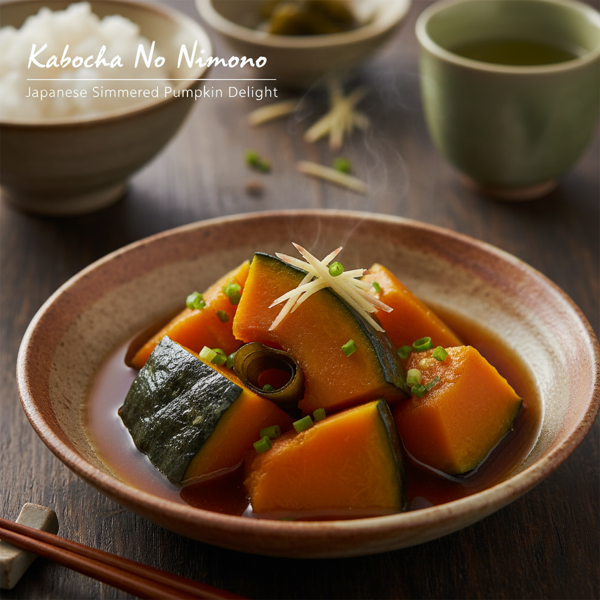
Kabocha No Nimono is a quintessential Japanese dish that highlights the natural sweetness and rich flavor of kabocha squash. This traditional stewing method preserves the texture of the pumpkin while infusing it with a delightful balance of sweetness from sugar and umami from soy sauce. The skin is not only edible but adds an extra layer of flavor, making this a wholesome and satisfying side dish or accompaniment to any meal. Whether you're enjoying a cozy family dinner or hosting a festive gathering, Kabocha No Nimono is sure to impress with its vibrant color and comforting taste.
N/A
Servings
N/A
Calories
4
Ingredients
Ingredients
Kabocha squash
600-700 g (Chopped into 2-inch chunks)
Water
200 ml (None)
Sugar
3 tablespoons (None)
Japanese soy sauce
3 tablespoons (None)
Instructions
1
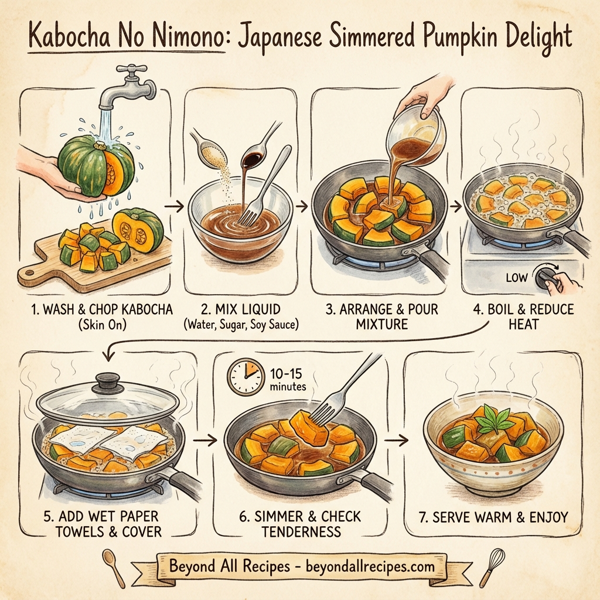
Begin by thoroughly washing the kabocha squash. Chop it into roughly 2-inch chunks, leaving the skin intact for added flavor and nutrition.
2
In a medium bowl, mix together the water, sugar, and Japanese soy sauce until the sugar is fully dissolved.
3
In a large frying pan or skillet, arrange the pumpkin pieces with the skin facing down. Pour the prepared mixture over the pumpkin.
4
Bring the mixture to a gentle boil over medium heat, then reduce the heat to low.
5
To ensure even cooking and moisture retention, place a couple of wet paper towels directly on top of the pumpkin before covering the pan with a lid. This step is crucial for achieving the perfect texture.
6
Allow the pumpkin to simmer for approximately 10-15 minutes. Check for doneness; the squash should be tender but still hold its shape, without becoming mushy.
7
Once cooked, remove the pan from heat, serve warm, and enjoy the sweet, savory flavors of this classic Japanese side dish.
Nutrition Information
Frequently Asked Questions
Frequently Asked Questions
What is Kabocha No Nimono?
Kabocha No Nimono is a quintessential Japanese side dish featuring kabocha squash simmered in a mixture of soy sauce and sugar.
What does 'Nimono' mean?
Nimono refers to a traditional Japanese simmering technique used to cook vegetables, fish, or meat in a flavorful liquid.
Should I peel the kabocha squash?
No, you should leave the skin intact as it is edible, nutritious, and helps the chunks hold their shape during cooking.
How large should the pumpkin chunks be?
The kabocha should be chopped into roughly 2-inch chunks for even cooking.
What are the primary ingredients for the simmering liquid?
The liquid is a mixture of 200 ml water, 3 tablespoons of sugar, and 3 tablespoons of Japanese soy sauce.
Why is the skin placed facing down in the pan?
Placing the skin side down helps prevent the flesh from breaking apart and ensures the squash cooks evenly.
What is the purpose of using wet paper towels during simmering?
A wet paper towel acts as a drop lid (otoshibuta), which ensures even heat distribution and helps the squash retain moisture.
How long does it take to cook Kabocha No Nimono?
The squash typically needs to simmer for approximately 10 to 15 minutes.
Can I use a different type of soy sauce?
While Japanese soy sauce is traditional for the best flavor profile, you can use regular soy sauce if necessary.
Is this recipe vegan-friendly?
Yes, this recipe is naturally vegan as it contains only squash, water, sugar, and soy sauce.
What should the final texture of the pumpkin be?
The squash should be tender enough to pierce with a fork but firm enough to hold its shape without becoming mushy.
Can I substitute sugar with another sweetener?
Yes, you can use honey or maple syrup, though it will slightly alter the traditional flavor.
Is Kabocha No Nimono served hot or cold?
It is typically served warm, but it can also be enjoyed at room temperature or chilled as a side dish.
How should I store leftovers?
Store any leftovers in an airtight container in the refrigerator for up to 3 to 4 days.
Can I freeze simmered kabocha?
Freezing is possible, but the texture may become slightly softer or watery upon thawing.
Is this dish gluten-free?
It is gluten-free only if you use a certified gluten-free soy sauce or tamari.
Why is my kabocha falling apart?
It may be overcooked or the heat was too high. Ensure you simmer on low heat and check for doneness after 10 minutes.
Do I need to remove the seeds?
Yes, before chopping the squash into chunks, you should scoop out the seeds and the pulpy center.
Can I add ginger to this recipe?
Yes, adding a few slices of fresh ginger to the simmering liquid can add a lovely aromatic warmth to the dish.
What kind of pan is best for this recipe?
A large frying pan or a wide skillet is best so the pumpkin pieces can be arranged in a single layer.
How much kabocha is needed for this recipe?
The recipe calls for approximately 600 to 700 grams of kabocha squash.
Does this dish contain many calories?
Kabocha is naturally low in calories and high in fiber, making this a healthy vegetable side dish.
Can I use butternut squash instead?
You can, but butternut squash has a higher water content and may become mushy faster than kabocha.
Should the pan be covered with a lid?
Yes, after placing the wet paper towel, cover the pan with a lid to trap steam and cook the squash efficiently.
Is it okay to use a high heat setting?
No, start with medium heat to bring it to a boil, then immediately reduce to low to prevent the liquid from evaporating too quickly.
What does kabocha taste like?
Kabocha has a sweet flavor and a texture that is a cross between a pumpkin and a sweet potato.
How many people does this recipe serve?
This recipe typically serves 3 to 4 people as a side dish.
Can I add dashi to the liquid?
Yes, replacing the water with dashi stock will add a deeper umami flavor to the dish.
How do I reheat the squash?
You can reheat it gently in the microwave or in a pan over low heat with a splash of water.
What should I pair this dish with?
It pairs perfectly with steamed rice, miso soup, and a protein like grilled fish or tofu.