Herbed Pressure Cooker Pilaf Rice
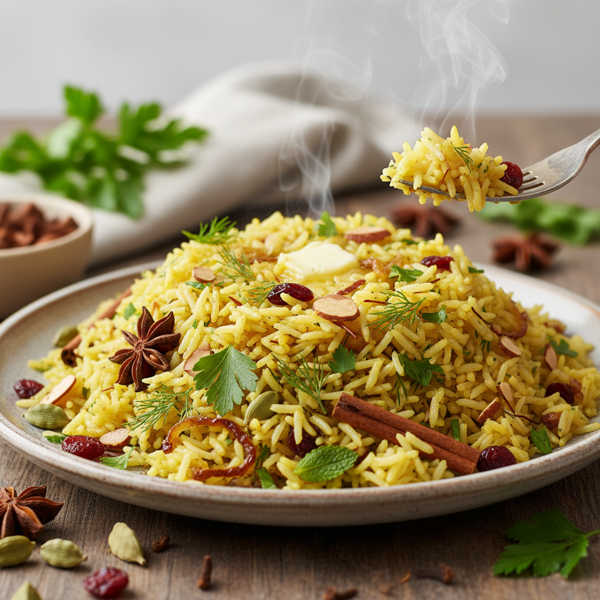
Elevate your dining experience with this Herbed Pressure Cooker Pilaf Rice recipe. Bursting with flavor from aromatic onions, enriched with the richness of chicken stock, and complemented by the vibrant colors of peas, this dish is a perfect side for any meal. Prepared effortlessly in a pressure cooker, it transforms simple ingredients into a delightful and fluffy rice pilaf that serves six. Ideal for family dinners or gatherings, this recipe invites you to savor the harmony between texture and taste, encouraging you to share it with loved ones.
6
Servings
N/A
Calories
6
Ingredients
Ingredients
Oil
1 tablespoon (none)
Butter
1 tablespoon (none)
Onion
1 (diced)
Long white rice
2 cups (rinsed and drained)
Chicken stock
3 cups (none)
Frozen peas
3 tablespoons (none)
Instructions
1
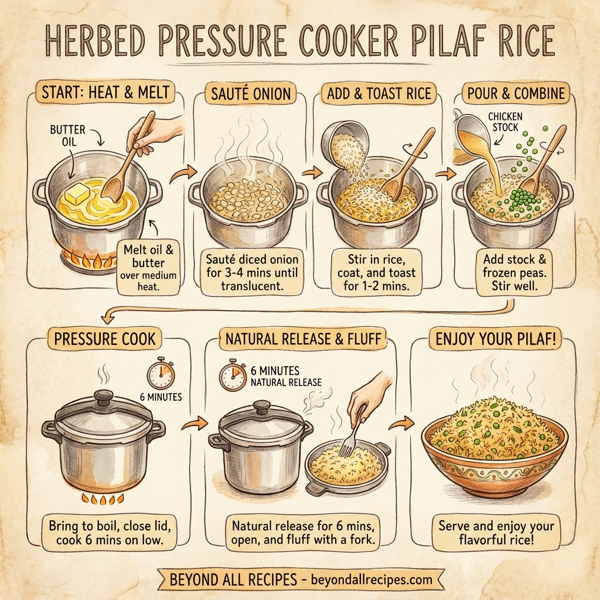
Start by heating your pressure cooker over medium heat. Add the oil and butter, allowing them to melt together.
2
Once hot, add the diced onion to the pot and sauté for about 3-4 minutes or until the onion becomes translucent and fragrant.
3
Stir in the rinsed rice, making sure to coat it well with the oil and butter mixture, and allow it to toast slightly for 1-2 minutes.
4
Pour in the chicken stock and add the frozen peas. Stir everything to combine, ensuring the rice is submerged in the liquid.
5
Bring the mixture to a boil, then securely close the lid of the pressure cooker. Reduce the heat to low and cook for 6 minutes.
6
After the cooking time, turn off the heat and allow the pressure to release naturally for about 6 minutes before carefully opening the lid.
7
Fluff the rice with a fork before serving, and enjoy your flavorful herbed pilaf rice!
Nutrition Information
Frequently Asked Questions
Frequently Asked Questions
What is Herbed Pressure Cooker Pilaf Rice?
It is an elevated side dish made with onions, long-grain white rice, chicken stock, and peas, prepared in a pressure cooker.
How many servings does this recipe provide?
This recipe makes 6 servings, making it ideal for family dinners or small gatherings.
What type of rice is recommended?
Long-grain white rice is recommended for its ability to stay fluffy and separate.
Can I substitute the oil?
Yes, you can use any neutral cooking oil such as vegetable, canola, or avocado oil.
Why is it necessary to rinse the rice?
Rinsing removes excess surface starch, which prevents the rice from becoming overly sticky or gummy.
How long does the rice cook under pressure?
Once the lid is secured and heat is reduced to low, it cooks for 6 minutes.
Is this recipe suitable for vegetarians?
To make it vegetarian, simply replace the chicken stock with vegetable stock.
What can I serve with this pilaf rice?
It pairs perfectly with roasted chicken, grilled fish, or sautéed vegetables.
How long should I sauté the onions?
Sauté the onions for 3-4 minutes until they are translucent and fragrant.
Why should I toast the rice before adding liquid?
Toasting the rice for 1-2 minutes enhances its nutty flavor and helps maintain individual grain texture.
Can I use vegetable stock instead of chicken stock?
Yes, vegetable stock is a great alternative and will still provide excellent flavor.
Do I need to thaw the frozen peas?
No, you can add frozen peas directly to the pot; they will cook perfectly during the pressure cycle.
What is the liquid-to-rice ratio for this recipe?
The ratio is 3 cups of chicken stock to 2 cups of long white rice.
How long should I wait for the pressure to release?
Allow the pressure to release naturally for about 6 minutes after turning off the heat.
Can I double the recipe?
Yes, as long as the ingredients do not exceed the maximum fill line of your pressure cooker.
Is this recipe gluten-free?
Yes, provided the chicken stock you use is certified gluten-free, as rice and vegetables are naturally gluten-free.
Can I add other vegetables to the mix?
Certainly; finely diced carrots or corn would be delicious additions to this pilaf.
How do I prevent the rice from sticking to the bottom?
Ensure the rice is thoroughly coated in the oil and butter mixture before adding the stock.
Can I make this if I don't have a pressure cooker?
Yes, you can use a regular stovetop pot, though cooking times and liquid ratios may vary slightly.
Can I use brown rice instead of white?
Brown rice requires more liquid and a significantly longer cooking time than white rice.
How should I store leftovers?
Store any leftover rice in an airtight container in the refrigerator for up to 4 days.
What is the best way to reheat this rice?
Reheat in a microwave or on the stove with a splash of water or stock to restore moisture.
Can I freeze herbed pilaf rice?
Yes, it can be frozen in airtight containers or freezer bags for up to 3 months.
What additional herbs could I add?
Fresh parsley, dill, or thyme would complement the existing flavors beautifully.
Is this recipe good for meal prep?
Yes, it is a sturdy dish that holds up well when prepared in advance for the week.
Can I use a rice cooker for this recipe?
Yes, follow the same sauté steps if possible, then use the standard white rice setting.
Why is my rice mushy?
Mushy rice is often the result of using too much liquid or overcooking the rice.
Why is my rice still hard?
This can happen if the lid wasn't sealed properly or if the natural release time was skipped.
Can I use fresh peas?
Yes, fresh peas can be used in place of frozen with the same cooking instructions.
Why use both oil and butter?
The oil prevents the butter from burning at high heat, while the butter adds a rich, savory flavor.