Herb-Infused Sage Rub for Roasting Turkey
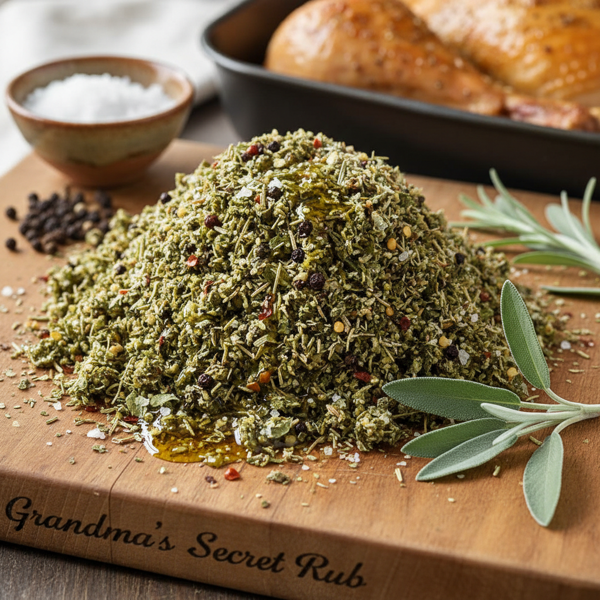
Elevate your holiday gathering with this delectable Herb-Infused Sage Rub for Roasting Turkey, inspired by a cherished recipe from 'Taste of Home.' This mouthwatering blend transforms a standard roast turkey into a culinary masterpiece, boasting a stunning golden-brown complexion, aromatic fragrance, and unforgettable flavors that will impress your guests. Perfectly balanced with the savory essence of sage and the subtle warmth of paprika, this rub is effortless to prepare, making it an ideal choice for special occasions. Enhance your turkey by serving it alongside your favorite stuffing, whether you choose to prepare it separately or stuff it into the bird. Gather around the table and savor the joys of the season with this unforgettable turkey recipe!
N/A
Servings
775
Calories
6
Ingredients
Ingredients
Turkey
13 (lb, cleaned and giblets removed)
Butter
3 (tablespoons, softened)
Salt
4 (teaspoons)
Black Pepper
2 (teaspoons)
Rubbed Sage
1 (teaspoon)
Paprika
1 (teaspoon)
Instructions
1
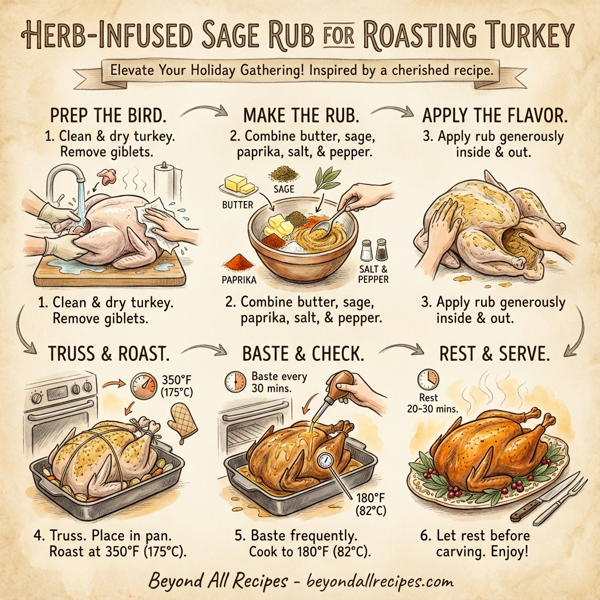
Begin by cleaning the turkey thoroughly, ensuring you remove any giblets from the cavity.
2
Pat the turkey dry with paper towels to remove excess moisture, allowing for a crispy skin during roasting.
3
In a mixing bowl, combine softened butter, salt, pepper, rubbed sage, and paprika to create a flavorful herb rub.
4
Generously apply the sage mixture over the entire outside and inside of the turkey, ensuring even coverage for maximum flavor.
5
Truss the turkey using kitchen twine, securing the legs and wings to ensure even cooking.
6
Preheat your oven to 350°F (175°C). Place the prepared turkey in a roasting pan.
7
Bake the turkey in the preheated oven, cooking until the internal meat thermometer reads 180°F (82°C) in the thickest part of the thigh.
8
During cooking, baste the turkey every 30 minutes with the drippings from the bottom of the pan for added moisture and flavor.
9
If the turkey begins to brown too quickly, cover it loosely with aluminum foil to prevent burning.
10
Once cooked, let the turkey rest for 20-30 minutes before carving to allow the juices to redistribute.
Nutrition Information
45g
Fat
0.5g
Carbs
67g
Protein
Frequently Asked Questions
Frequently Asked Questions
What is the main dish of this recipe?
The main dish is a Herb-Infused Sage Rub for Roasting Turkey, perfect for holiday gatherings.
What size turkey is recommended for this recipe?
A 13-pound turkey is recommended for this specific rub and cooking method.
What ingredients are used in the herb rub?
The rub consists of softened butter, salt, black pepper, rubbed sage, and paprika.
How do I prepare the turkey before applying the rub?
You should clean the turkey thoroughly, remove the giblets, and pat it dry with paper towels.
Why is it important to pat the turkey dry?
Patting the turkey dry removes excess moisture, which helps achieve a crispy skin during the roasting process.
Should the butter for the rub be melted or softened?
The butter should be softened so it can be easily mixed with the herbs and applied to the turkey.
Where should the sage mixture be applied?
The mixture should be applied generously over the entire outside and inside of the turkey.
Is trussing the turkey necessary?
Yes, the recipe recommends trussing the turkey with kitchen twine to ensure even cooking.
What is the recommended oven temperature?
The oven should be preheated to 350°F (175°C).
What is the target internal temperature for the turkey?
The turkey is done when a meat thermometer reads 180°F (82°C) in the thickest part of the thigh.
Where should I check the internal temperature?
You should place the meat thermometer in the thickest part of the turkey's thigh.
How often should I baste the turkey?
Baste the turkey every 30 minutes using the drippings from the bottom of the roasting pan.
What should I do if the turkey browns too quickly?
If the skin begins to brown too fast, cover the turkey loosely with aluminum foil to prevent burning.
How long should the turkey rest after it is removed from the oven?
The turkey should rest for 20-30 minutes before carving.
Why must the turkey rest before carving?
Resting allows the juices to redistribute throughout the meat, ensuring it remains moist.
How many calories are in this recipe?
This turkey recipe contains 775 calories per serving.
What is the fat content of this dish?
The dish contains 45 grams of fat.
How much protein is in the Herb-Infused Sage Rub Turkey?
The recipe provides 67 grams of protein per serving.
What is the carbohydrate count?
This recipe is very low in carbohydrates, containing only 0.5 grams.
Is this recipe suitable for Thanksgiving?
Yes, it is specifically tagged for Thanksgiving and holiday cooking.
What type of sage is used in the rub?
The recipe calls for rubbed sage.
What role does paprika play in this recipe?
Paprika adds a subtle warmth to the flavor profile and helps achieve a golden-brown complexion.
How many ingredients are in this recipe in total?
There are 6 total ingredients: turkey, butter, salt, pepper, rubbed sage, and paprika.
Can I serve this turkey with stuffing?
Yes, you can serve it with your favorite stuffing, either prepared separately or stuffed into the bird.
Is this recipe appropriate for a dinner party?
Absolutely, it is tagged as an ideal choice for dinner parties and special occasions.
How much salt is required for the rub?
The recipe requires 4 teaspoons of salt.
Should I remove the giblets before cooking?
Yes, ensure you remove any giblets from the cavity during the cleaning process.
What kind of pan is needed for roasting?
A standard roasting pan is required to cook the turkey and collect drippings for basting.
Is this a good recipe for Christmas?
Yes, Christmas is one of the primary tags for this festive holiday recipe.
How much black pepper is used?
The recipe uses 2 teaspoons of black pepper.