Herb-Infused Pan-Seared Chicken with Tarragon Vinegar Sauce
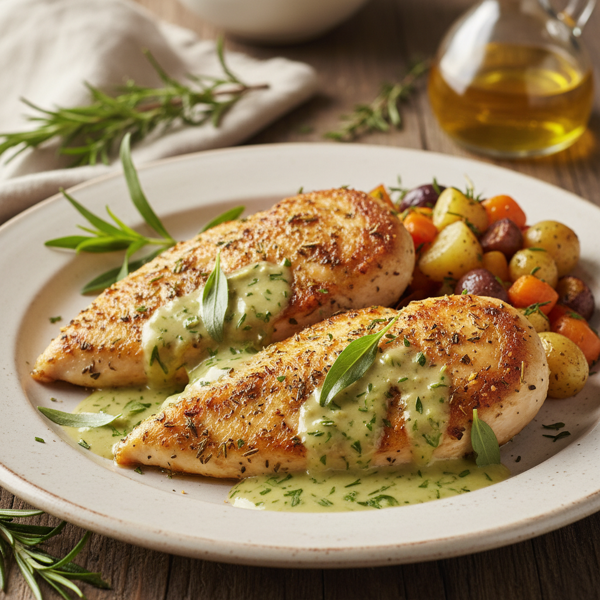
Indulge in a succulent dish of herb-infused pan-seared chicken, enhanced with a vibrant vinegar-tarragon sauce that brings a delightful tang to each bite. This recipe, adapted from the Dec/Jan issue of Cook's Country magazine, features bone-in chicken parts, ensuring maximum flavor and moisture. The combination of crispy skin and tender meat, paired with a rich, tangy sauce, makes it perfect for a family dinner or a special occasion. The addition of shallots and garlic elevates the base sauce, while fresh tarragon offers a fragrant herbal note. Serve this dish alongside roasted vegetables or a light salad for a balanced meal.
N/A
Servings
600
Calories
12
Ingredients

Ingredients
cornstarch
1 (teaspoon)
chicken broth
1 (cup)
cider vinegar
1/2 (cup)
honey
2 (teaspoons)
chicken (bone-in, trimmed)
3 (pounds)
salt
to taste
black pepper
to taste
vegetable oil
2 (teaspoons)
shallot, minced
1
garlic cloves, crushed and peeled
4
unsalted butter
1 (tablespoon)
fresh tarragon, chopped
1 (tablespoon)
Instructions
1
1. Begin by adjusting your oven rack to the upper-middle position and preheating the oven to 450 degrees Fahrenheit.
2
2. In a small bowl, dissolve the cornstarch in the chicken broth. Whisk in the cider vinegar and honey, then set this mixture aside.
3
3. Pat the chicken pieces dry with paper towels and generously season them with salt and pepper on all sides.
4
4. Heat vegetable oil in a 12-inch skillet over medium-high heat until it is shimmering. Carefully place the chicken in the skillet skin-side down and cook until well browned, about 6-8 minutes. Once browned, transfer the chicken to a plate, ensuring the skin side remains up.
5
5. Pour off all but 1 tablespoon of fat from the skillet and return it to medium-high heat. Add the minced shallot and crushed garlic, cooking until fragrant, approximately 30 seconds.
6
6. Whisk the chicken broth mixture again and pour it into the skillet, scraping up any browned bits from the bottom. Bring this mixture to a boil.
7
7. Return the chicken to the skillet, skin-side up, along with any accumulated juices. Carefully move the skillet to the preheated oven and roast until the chicken breasts reach an internal temperature of 160 degrees Fahrenheit and the drumsticks/thighs reach 175 degrees Fahrenheit, approximately 10-15 minutes.
8
8. Once cooked, transfer the chicken to a serving platter and tent loosely with foil to keep warm.
9
9. Place the skillet back on medium-high heat and bring the sauce to a boil. Allow it to cook until slightly thickened, about 5-7 minutes.
10
10. Off the heat, whisk in the unsalted butter, chopped tarragon, and any juices accumulated on the chicken platter. Taste and season the sauce with additional salt and pepper, if needed.
11
11. Finally, spoon the luscious sauce over the rested chicken pieces and serve immediately.
Nutrition Information
36g
Fat
9g
Carbs
64g
Protein
Frequently Asked Questions
Frequently Asked Questions
What is the main dish in this recipe?
The dish is Herb-Infused Pan-Seared Chicken with Tarragon Vinegar Sauce, featuring bone-in chicken and a tangy herbal sauce.
What oven temperature is required for roasting?
The oven should be preheated to 450 degrees Fahrenheit.
Where should the oven rack be positioned?
The oven rack should be adjusted to the upper-middle position.
Why must the chicken be patted dry before cooking?
Patting the chicken dry with paper towels ensures the skin gets properly crispy and browns well during searing.
What type of vinegar is used in the sauce?
This recipe uses cider vinegar to provide a vibrant tang to the sauce.
How do you thicken the tarragon vinegar sauce?
The sauce is thickened using a mixture of cornstarch dissolved in chicken broth, which is then boiled and reduced.
Can I use boneless chicken for this recipe?
While you can use boneless, the recipe specifically recommends bone-in chicken parts to ensure maximum flavor and moisture.
How long should I sear the chicken skin-side down?
The chicken should be seared skin-side down for approximately 6 to 8 minutes until well browned.
What is the target internal temperature for the chicken breasts?
The chicken breasts are done when they reach an internal temperature of 160 degrees Fahrenheit.
What temperature should the drumsticks and thighs reach?
The drumsticks and thighs should reach an internal temperature of 175 degrees Fahrenheit.
What kind of skillet is recommended?
A 12-inch skillet is recommended for searing and roasting the chicken.
How many garlic cloves are included in the recipe?
The recipe calls for 4 garlic cloves, crushed and peeled.
Is there a sweetener in the vinegar sauce?
Yes, two teaspoons of honey are added to the sauce to balance the acidity of the vinegar.
What fresh herb provides the primary flavor?
Fresh tarragon provides the fragrant, herbal note that defines the sauce.
What should I do with the skillet fat after searing?
Pour off all but one tablespoon of fat from the skillet before cooking the shallots and garlic.
How long does the chicken roast in the oven?
The chicken typically roasts for about 10 to 15 minutes depending on the size of the pieces.
Why is butter added to the sauce at the end?
Butter is whisked in off the heat to add richness, shine, and a velvety texture to the sauce.
Should the chicken be covered while resting?
Yes, transfer the chicken to a platter and tent it loosely with foil to keep it warm while finishing the sauce.
How many calories are in one serving?
Each serving contains approximately 600 calories.
What is the protein content of this dish?
This recipe is high in protein, providing about 64 grams per serving.
How much fat is in this chicken dish?
There are 36 grams of fat per serving in this recipe.
What are the total carbohydrates per serving?
There are 9 grams of carbohydrates per serving.
What can I serve as a side for this chicken?
Roasted vegetables or a light salad are recommended to create a balanced meal.
What is the significance of the browned bits in the pan?
Scraping up the browned bits (fond) while adding the broth mixture incorporates deep, savory flavor into the sauce.
When do I add the minced shallots?
Add the minced shallots to the skillet after searing the chicken and removing excess fat, cooking for about 30 seconds.
Can I use a different oil for searing?
Vegetable oil is used in the recipe for its high smoke point, which is ideal for searing chicken at medium-high heat.
What is the source of this recipe?
This recipe was adapted from the December/January issue of Cook's Country magazine.
Do I add the accumulated juices back into the dish?
Yes, any juices accumulated on the platter should be whisked into the sauce at the end for extra flavor.
How long should the sauce reduce on the stovetop?
After roasting, the sauce should boil for about 5 to 7 minutes until it is slightly thickened.
Is the chicken cooked skin-side up or down in the oven?
The chicken is returned to the skillet skin-side up before being placed in the oven to roast.