Herb-Infused Garlic Rosemary Pizza Crust
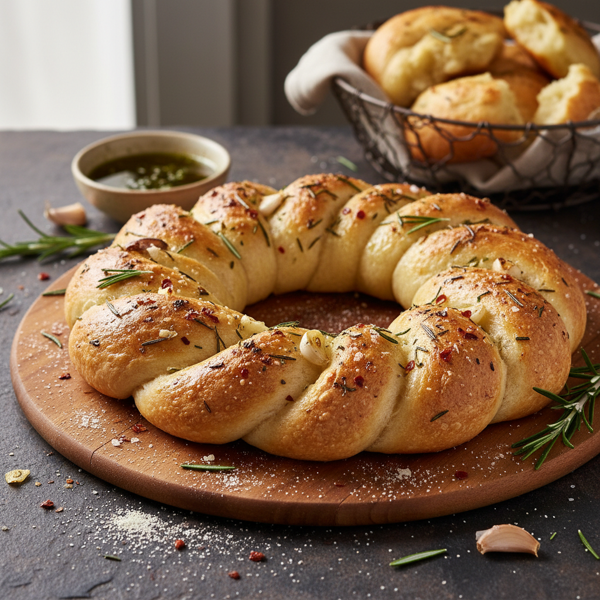
Elevate your pizza night with this Herb-Infused Garlic Rosemary Pizza Crust. This homemade crust bursts with the rich flavors of garlic and rosemary, and provides a healthier alternative to store-bought versions. Perfect for creating delicious, guilt-free pizzas, this recipe yields two large pizza crusts, making it easy to share with family and friends. Enjoy a lovely combination of textures and flavors, as the crust bakes to a perfect golden brown, adding a delightful crunch. Customize your pizza with your favorite toppings to make it a perfect dish for any occasion.
2
Servings
N/A
Calories
8
Ingredients
Ingredients
Yeast
1/4 ounce (package)
Warm Water
1 cup ((100-120 degrees))
Flour
3 cups
Sugar
1 tablespoon
Salt
1/2 teaspoon
Garlic Cloves
1 1/2 cloves (minced (3/4 tsp))
Dried Rosemary
1/2 teaspoon (crushed)
Oil
1/4 cup
Instructions
1
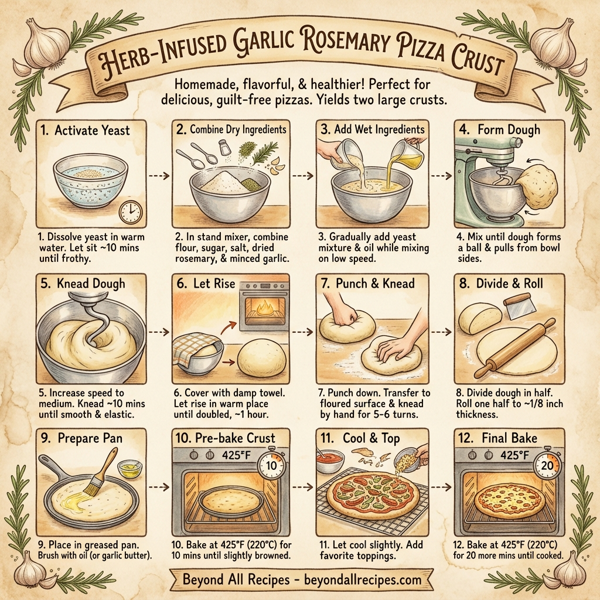
In a small bowl, combine yeast with warm water and allow it to sit for about 10 minutes, until the yeast is fully dissolved and frothy.
2
While the yeast activates, in the bowl of a stand mixer fitted with a dough hook, combine flour, sugar, salt, crushed dried rosemary, and minced garlic.
3
Once the yeast mixture is ready, gradually add it and the oil to the dry ingredients while mixing on low speed.
4
Continue mixing until the dough forms a cohesive ball and pulls away from the sides of the bowl.
5
Increase the mixer speed to medium and knead the dough for approximately 10 minutes until smooth and elastic.
6
Cover the kneaded dough with a damp kitchen towel and let it rise in a warm place until doubled in size, about 1 hour.
7
After the dough has risen, punch it down to release air. Transfer it to a floured surface and knead it by hand for 5-6 turns.
8
Divide the dough in half. Roll out one half to approximately 1/8 inch thickness, then place it in a greased pizza pan.
9
Brush the surface of the rolled dough with oil (alternatively, use a garlic-infused butter for extra flavor).
10
Preheat the oven to 425°F (220°C) and bake the crust for 10 minutes until slightly browned.
11
Once baked, allow the crust to cool slightly before adding your favorite toppings.
12
Return the topped pizza to the oven and bake at 425°F (220°C) for an additional 20 minutes or until the toppings are cooked to your liking.
Nutrition Information
Frequently Asked Questions
Frequently Asked Questions
What is the main flavor profile of this pizza crust?
This crust is herb-infused with the rich flavors of garlic and rosemary.
How many large pizza crusts does this recipe yield?
This recipe yields two large pizza crusts.
Is this pizza crust recipe considered low cholesterol?
Yes, this recipe is categorized as a low cholesterol dish.
How much yeast is required for this recipe?
You will need one 1/4 ounce package of yeast.
What is the recommended temperature for the warm water?
The water should be between 100 and 120 degrees Fahrenheit.
How long should the yeast sit to dissolve?
Let the yeast sit in the warm water for about 10 minutes until frothy and fully dissolved.
What dry ingredients are mixed together in the stand mixer?
The dry ingredients include flour, sugar, salt, crushed dried rosemary, and minced garlic.
What attachment should be used on the stand mixer?
Use a dough hook attachment for mixing and kneading the crust.
At what speed should the yeast mixture be added to the dry ingredients?
Gradually add the yeast mixture while mixing on low speed.
How long do you need to knead the dough in the stand mixer?
Knead the dough on medium speed for approximately 10 minutes.
How do you know the dough is properly kneaded in the mixer?
The dough should be smooth and elastic, forming a cohesive ball that pulls away from the sides of the bowl.
How long should the dough rise?
Allow the dough to rise for about 1 hour.
Where is the best place to let the dough rise?
Place the dough in a warm place to help it double in size.
What should be used to cover the dough during the rising process?
Cover the dough with a damp kitchen towel to keep it from drying out.
What is the indicator that the dough has finished rising?
The dough is ready when it has doubled in size.
What is the first step after the dough has risen?
Punch the dough down to release air and then transfer it to a floured surface.
How many times should you knead the dough by hand?
Knead the dough by hand for 5 to 6 turns after its first rise.
How thick should the dough be when rolled out for the pan?
Roll the dough to approximately 1/8 inch thickness.
Should the pizza pan be prepared before placing the dough?
Yes, you should place the rolled dough into a greased pizza pan.
What can be brushed on the crust surface for extra flavor?
You can brush the surface with oil or use garlic-infused butter for extra flavor.
What is the required oven temperature for baking the pizza?
Preheat the oven and bake at 425 degrees Fahrenheit (220 degrees Celsius).
How long is the initial par-bake for the crust?
Bake the crust for 10 minutes until it is slightly browned.
Should the crust cool before adding toppings?
Yes, allow the crust to cool slightly before adding your favorite toppings.
How long is the final bake once toppings are added?
Bake for an additional 20 minutes or until the toppings are cooked to your liking.
How much dried rosemary is used in this recipe?
The recipe calls for 1/2 teaspoon of crushed dried rosemary.
How many garlic cloves are needed for the crust?
The recipe requires 1 1/2 cloves of minced garlic (approx 3/4 tsp).
How much oil is included in the dough mixture?
The recipe requires 1/4 cup of oil.
How much sugar is used in the dough?
The recipe includes 1 tablespoon of sugar.
What type of texture does the baked crust have?
The crust bakes to a golden brown with a delightful crunch.
Is this crust suitable for customized toppings?
Yes, it is perfect for any occasion and can be customized with all your favorite toppings.