Hearty Dominican Sancocho: The Ultimate 7-Meat Stew
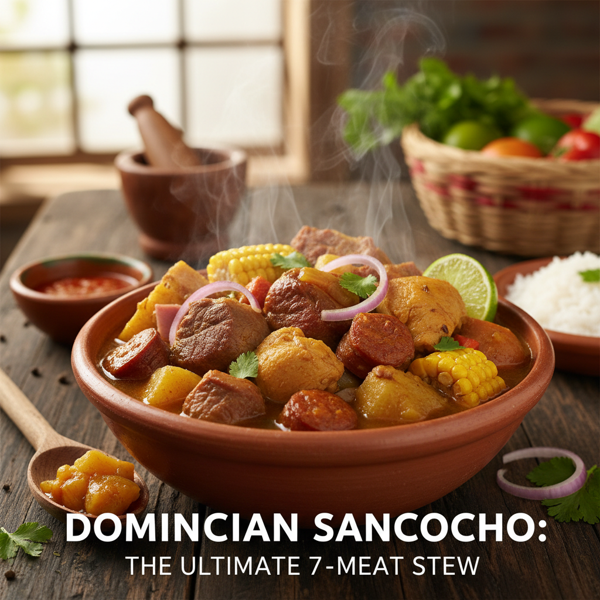
Sancocho is more than just a meal; it's a celebration of Dominican culture, family, and togetherness. This hearty stew combines seven types of succulent meat, slow-cooked to perfection and infused with an array of vibrant flavors. Traditionally prepared for special occasions and family gatherings, this dish is a labor of love best enjoyed in the company of friends and family. As the enticing aroma fills your kitchen, guests can relax with a refreshing drink while you craft this beloved dish. While it may take hours to simmer, the results are nothing short of spectacular—a rich and flavorful stew that embodies the spirit of the Dominican Republic. Feel free to customize the meat according to your budget and availability, and don't worry if you can't find some ingredients; substitutions can work wonders, too!
N/A
Servings
N/A
Calories
24
Ingredients

Ingredients
Chopped beef for stews
2 lbs (with bones)
Chopped goat meat
1 lb
Pork sausage (longaniza)
1 lb
Chopped pork
1 lb
Chicken parts
1 1/2 lbs (with bones)
Pork ribs
2 lbs
Soup bones (from smoked ham)
1 lb
Lime juice
4
Crushed fresh garlic
1 tablespoon
Oil
4 tablespoons
Yucca root
1/2 lb (peeled and cut into 1 inch pieces)
Yam (niame)
1/2 lb (peeled and cut into 1 inch pieces)
Celery ribs
2 (chopped)
Malanga
1/2 lb (peeled and cut into 1 inch pieces)
Potato
1/2 lb (peeled and cut into 1 inch pieces)
Unripe plantains
3 (peeled and 1 cut into 1 inch pieces)
Beef bouillon cubes
2
Corn on the cob
2 (cut into 2 inch pieces)
Ground oregano
1/2 teaspoon
Chopped fresh cilantro
1 teaspoon
White vinegar
2 teaspoons
Hot sauce
2 teaspoons
Water
1/4 gallon
Bitter orange juice
1/4 cup (or freshly squeezed Seville orange juice)
Instructions
1
Start by marinating the chopped beef in a large resealable plastic bag. To the bag, add chopped celery, cilantro, oregano, vinegar, crushed garlic, juice from one lime, and a sprinkle of salt. Seal the bag and refrigerate to marinate for at least 30 minutes.
2
In a large cast iron pot, heat oil over medium-high heat. Once hot, add the marinated beef along with all the seasonings from the bag. Stir well, cover, and simmer for about 10 minutes, adding a few tablespoons of water if necessary to prevent sticking.
3
Next, add the chopped pork to the pot and continue simmering for 15 minutes, adding a bit more water if needed, stirring occasionally.
4
After that, introduce the remaining meats (excluding chicken) and simmer for another 15 minutes, again adding water as needed to maintain moisture.
5
Once you've given the meats enough time, add the chicken pieces to the pot and simmer for 10 minutes.
6
Pour in 1/4 gallon of water and bring the mixture to a boil. Add the niame, malanga, and two of the chopped plantains. Let this simmer for about 15 minutes.
7
After 15 minutes, add the remaining ingredients, which include the rest of the lime juice, corn, beef bouillon cubes, hot sauce, and bitter orange juice. Adjust the water level if necessary, and give the stew a good stir.
8
To finish the dish, grate the third unripe plantain and stir it into the pot. Allow the stew to simmer until all ingredients are tender and the stew thickens to your desired consistency. Taste and adjust salt as necessary.
9
Serve your delicious sancocho hot alongside white rice and fresh avocados for a complete and satisfying meal. Enjoy this flavorful expression of Dominican hospitality!
Nutrition Information
Frequently Asked Questions
Frequently Asked Questions
What is Dominican Sancocho?
Sancocho is a traditional Dominican stew that serves as a celebration of culture and family, combining multiple meats and root vegetables.
What are the seven types of meat used in this Sancocho?
This recipe features chopped beef, goat meat, pork sausage (longaniza), chopped pork, chicken parts, pork ribs, and smoked ham soup bones.
How long should the beef marinate?
The beef should be marinated for at least 30 minutes in the refrigerator for the best flavor.
What ingredients are in the beef marinade?
The marinade consists of chopped celery, cilantro, oregano, vinegar, crushed garlic, lime juice, and salt.
What kind of pot is recommended for cooking Sancocho?
A large cast iron pot is ideal for heating the oil and simmering the heavy stew evenly.
How do I prevent the meat from sticking while simmering?
You can add a few tablespoons of water if necessary during the initial simmering stages to prevent the meat from sticking.
In what order should the meats be added?
Start with the marinated beef, followed by chopped pork, then the remaining meats (except chicken), and finally the chicken pieces last.
How long do you simmer the pork after adding it?
The chopped pork should simmer for 15 minutes before adding the other meats.
When is the chicken added to the pot?
The chicken is added after the other meats have had time to simmer, and it should cook for 10 minutes before adding the water.
How much water is needed for the base of the stew?
The recipe calls for 1/4 gallon of water to be poured in after the meats have simmered.
Which root vegetables are included in this stew?
The recipe includes yucca root, yam (niame), malanga, and potato.
How are the plantains prepared for the stew?
Two plantains are peeled and cut into 1-inch pieces to be simmered, while the third is grated to help thicken the stew.
What is the secret to thickening Dominican Sancocho?
Grate one unripe plantain and stir it into the pot near the end of cooking to reach the desired consistency.
What is 'niame' in the context of this recipe?
Niame is a type of yam that is peeled and cut into 1-inch pieces for the stew.
How should the corn on the cob be prepared?
The corn should be cut into 2-inch pieces before being added to the stew.
What is 'longaniza'?
Longaniza is a type of pork sausage used as one of the seven meats in this traditional recipe.
Can I substitute the meats in Sancocho?
Yes, you can customize the meat selection based on your budget, availability, and personal preference.
What is bitter orange juice and can I substitute it?
Bitter orange juice, or Seville orange juice, provides a unique acidity. You can use freshly squeezed Seville orange juice as a direct substitute.
What herbs are used for seasoning?
Ground oregano and fresh chopped cilantro are used to provide the vibrant Dominican flavor profile.
When do I add the beef bouillon cubes?
The beef bouillon cubes are added along with the corn, hot sauce, and bitter orange juice after the first 15 minutes of boiling the roots.
What should be served as a side dish?
It is traditionally served hot alongside white rice and fresh avocado slices.
How long does the final simmer take?
The stew should simmer until all ingredients are tender and the liquid has thickened to your preference.
Does this recipe use garlic?
Yes, one tablespoon of crushed fresh garlic is used in the marinade for the beef.
Is the Sancocho spicy?
The recipe includes 2 teaspoons of hot sauce, which adds a mild kick that can be adjusted to taste.
How many plantains do I need in total?
You will need three unripe plantains for this recipe.
What type of vinegar should I use?
The recipe specifies two teaspoons of white vinegar for the beef marinade.
What size should the root vegetables be cut?
The yucca, yam, malanga, and potato should all be cut into approximately 1-inch pieces.
Why are soup bones included?
Soup bones, particularly those from smoked ham, add deep smoky flavor and richness to the stew base.
Can I use frozen ingredients?
While fresh is traditional, frozen versions of yucca or tropical roots can be used if fresh are unavailable.
What is the cultural significance of Sancocho?
In the Dominican Republic, Sancocho is a beloved dish often prepared for special occasions, family gatherings, and as a symbol of hospitality.