Fluffy Long-Grain Steamed Rice
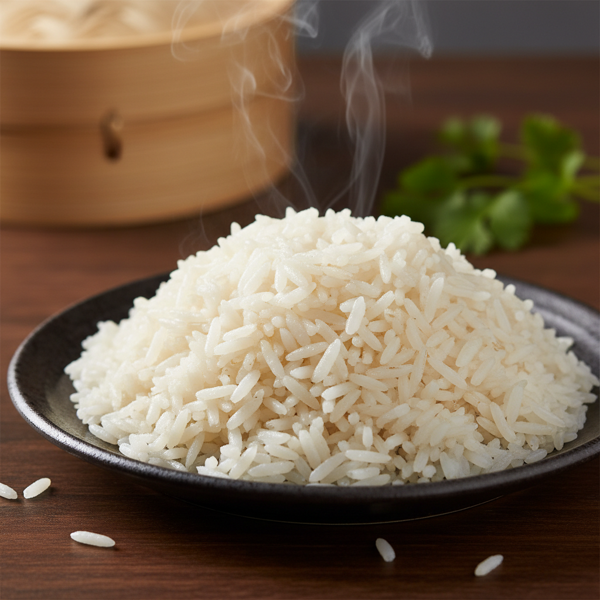
Achieving perfectly fluffy long-grain rice has never been easier! This foolproof method eliminates the guesswork, ensuring that every grain is separated and cooked to perfection. Thanks to my mentor, Siu Siu Korzilius, I’ve learned that the science of washing rice is crucial for incredible results. By thoroughly rinsing the rice, we wash away excess starch, which prevents stickiness. For those looking to enjoy a healthy alternative, these same techniques can be applied to brown rice with slight modifications—just add more water and adjust the cooking time. Impress your family and friends with this easy and reliable recipe for a staple side dish that complements a variety of meals!
N/A
Servings
N/A
Calories
2
Ingredients

Ingredients
long-grain rice
2 cups (rinsed thoroughly)
water
to cover (approximately 1/2 inch above rice) (used for cooking)
Instructions
1
Begin by washing the rice: Rinse the long-grain rice under cold running water, vigorously rubbing the grains together with your palms. Continue this process until the water runs clear; this typically takes a few minutes and is vital for achieving non-sticky rice.
2
After rinsing, transfer the cleaned rice to a covered saucepan. Add sufficient water to reach 1/2 inch above the rice surface. Place the saucepan over high heat and remain attentive—avoid distractions!
3
Once the water comes to a rapid boil, promptly reduce the heat to medium/low and let it simmer for 10 minutes. Resist the urge to lift the lid during this time, as this will trap the steam necessary for cooking.
4
Once the simmering time is up, immediately remove the pot from the heat source but keep the lid on for an additional 5 minutes. This resting period allows the rice to finalize cooking and absorb any remaining moisture.
5
Finally, fluff the rice gently with chopsticks to separate the grains before serving. This step enhances the texture and ensures a delightful presentation!
Nutrition Information
Frequently Asked Questions
Frequently Asked Questions
What is the secret to achieving perfectly fluffy long-grain rice?
The secret lies in thoroughly washing the rice to remove excess starch, which prevents the grains from sticking together.
Who is the mentor mentioned in this recipe?
The recipe credits Siu Siu Korzilius for teaching the science behind washing rice for incredible results.
Why is it important to wash the rice until the water runs clear?
Rinsing until the water is clear ensures that all excess surface starch is removed, resulting in non-sticky rice.
How should I wash the rice?
Rinse the rice under cold running water and vigorously rub the grains together with your palms for several minutes.
How much water do I need to add to the saucepan?
Add enough water so that it reaches approximately 1/2 inch above the surface of the rice.
Can I use this method for brown rice?
Yes, but you will need to add more water and adjust the cooking time to account for the denser grain.
What heat setting should I use initially?
Place the saucepan over high heat until the water comes to a rapid boil.
Why must I stay attentive while the water is boiling?
You need to reduce the heat immediately once it reaches a rapid boil to prevent overcooking or burning.
How long should the rice simmer?
Once boiling, reduce the heat to medium/low and let it simmer for 10 minutes.
Is it okay to lift the lid while the rice is simmering?
No, you must resist the urge to lift the lid as it traps the steam necessary for the rice to cook properly.
What should I do after the 10-minute simmer is complete?
Immediately remove the pot from the heat source but keep the lid on for an additional 5 minutes.
What is the purpose of the 5-minute resting period?
The resting period allows the rice to finalize cooking and absorb any remaining moisture without direct heat.
How should I fluff the rice before serving?
Gently fluff the rice using chopsticks to separate the grains without crushing them.
How many ingredients are in this recipe?
This recipe requires only 2 main ingredients: long-grain rice and water.
What type of rice is used in this specific recipe?
This recipe specifically uses 2 cups of long-grain rice.
Does fluffing the rice improve its presentation?
Yes, fluffing separates the grains, which improves both the texture and the visual presentation.
Is this rice recipe suitable for Asian cooking?
Yes, 'asian cooking' is one of the primary tags, and steamed rice is a staple in many Asian cuisines.
What tool is best for fluffing rice?
Chopsticks are recommended for fluffing as they are gentle on the grains.
Is the washing process mandatory?
Yes, the recipe describes it as vital for achieving the desired non-sticky texture.
How many steps are in the instruction list?
There are five clear steps to follow, from washing to fluffing.
What temperature water should be used for rinsing?
Cold running water should be used for the rinsing process.
Can I leave the pot on the burner after turning it off?
The recipe recommends removing the pot from the heat source entirely during the resting period.
Why is this recipe described as foolproof?
It is called foolproof because it uses a specific measurement technique and timing that eliminates guesswork.
What is the recommended amount of rice to cook?
The ingredient list specifies using 2 cups of long-grain rice.
How long does the entire rinsing process take?
Typically, rinsing the rice until the water runs clear takes a few minutes.
What kind of pot should I use for steaming?
A covered saucepan is required to properly trap the steam.
What should the heat be adjusted to after the water boils?
The heat should be reduced to medium/low for the simmering phase.
Does the recipe mention any specific brands of rice?
No specific brands are mentioned, just the variety of long-grain rice.
Is this dish considered a side dish?
Yes, it is described as a staple side dish that complements many different meals.
What is the primary benefit of the 1/2 inch water measurement?
It ensures the correct water-to-rice ratio regardless of the exact cup measurement, leading to consistent results.