Fluffy Cinnamon Twists (Monkey Bread Style)
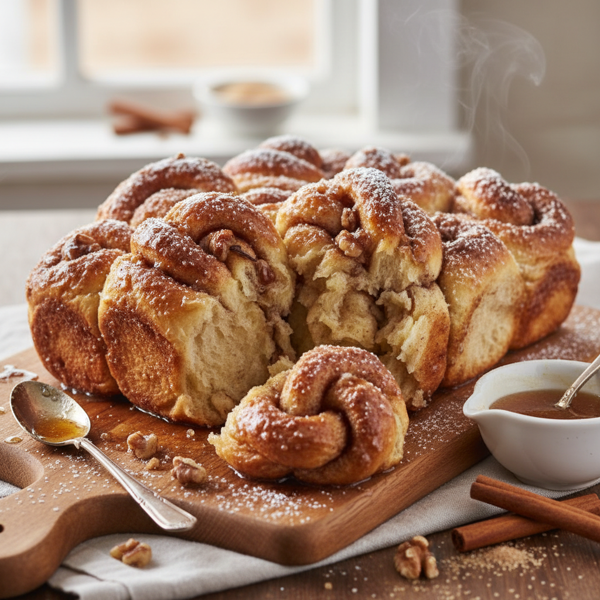
Gather the family and dive into the joy of baking with this delightful Fluffy Cinnamon Twists recipe! Perfect for cooks of all ages, this homemade yeast bread not only introduces children to the magic of yeast but also results in soft, gooey rolls that can be enjoyed as a snack, breakfast treat, or dessert. The fun of tearing off pieces just like monkeys adds whimsy to your mealtime! Adapted from Jane Zukin's Dairy-Free Cookbook, this recipe is allergy-friendly and welcomes all to the fun of baking. Feel free to experiment with fillings and toppings to suit your taste. Get ready for a baking adventure you’ll cherish as a family!
N/A
Servings
N/A
Calories
8
Ingredients
Ingredients
active dry yeast
1 (1/4 ounce) package
water
3/4 cup (heated to 105-115°F)
sugar
2 tablespoons
vegetable oil
2 tablespoons
salt
1/2 teaspoon
egg
1, lightly beaten
flour
2 1/2 cups, plus more for kneading (divided)
margarine
1/4 lb (softened or melted for rolling)
Instructions
1
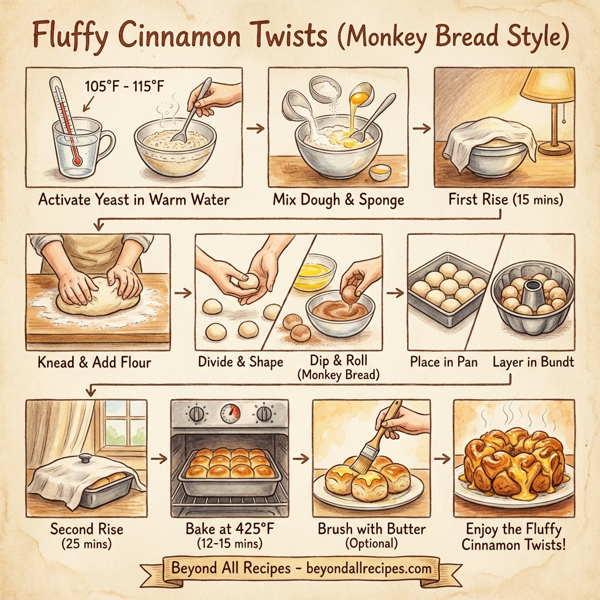
Begin by heating the water to a temperature between 105°F and 115°F. This temperature range is ideal for activating the yeast without compromising its potency. If you're doing this with kids, use this moment to explain the science behind yeast activation!
2
In a large mixing bowl, dissolve the active dry yeast in the warmed water. Allow it a few moments to start bubbling, signifying that the yeast is alive.
3
Stir in the sugar, vegetable oil, salt, and lightly beaten egg until well blended.
4
Gradually mix in 1 cup of flour until you achieve a smooth consistency. This part of the mixture is referred to as 'sponge' and forms the base of your dough.
5
Cover the bowl with a dishcloth and place it in a warm area for 15 minutes. During this time, the sponge should swell and create bubbles. If this doesn’t happen, your yeast may be inactive, and you'll need to start over.
6
While waiting, take the time to tidy up the workspace and grease your baking pan. Use a 9-inch square pan for traditional rolls or a bundt/ring pan for the monkey bread version.
7
After 15 minutes, uncover the sponge and stir it down, then add an additional 1 1/2 cups of flour. Blend well until combined.
8
Transfer the dough to a lightly floured surface. Knead the dough for about 3 minutes, adding additional flour as needed to prevent stickiness.
9
For square rolls, divide the dough into 16 equal pieces and shape them into balls. For monkey bread, divide the dough into 32 pieces.
10
If using the square pan, arrange the dough balls closely together in the greased pan, then smear the tops generously with softened margarine.
11
For monkey bread, dip each ball in melted margarine before layering them into the ungreased bundt or ring pan. If desired, roll the dough balls in a mix of cinnamon sugar for an added sweet touch.
12
Cover the shaped dough in the pan with the dishcloth and place it back in the warm spot to rise for 25 minutes. If you're working with young helpers, you might find that shorter or longer times work just fine.
13
While the dough rises, preheat your oven to 425°F. Make sure to switch the pans accordingly for safe baking.
14
Bake for 12 to 15 minutes, until the rolls turn golden brown. Once baked, take them out of the oven and allow to cool slightly before transferring to a rack or plate.
15
For an even richer flavor, brush the tops with melted butter, right after they come out of the oven.
16
Serve your delightful fluffy cinnamon twists warm and enjoy the fun of pulling off pieces just like monkeys would!
Nutrition Information
Frequently Asked Questions
Frequently Asked Questions
What is the ideal water temperature for activating the yeast in this recipe?
The water should be heated to a temperature between 105°F and 115°F to properly activate the yeast without killing it.
How do I know if the yeast is active and alive?
After dissolving the yeast in warm water, it should start bubbling within a few moments, which signifies that it is active.
What ingredients are mixed with the yeast to create the base?
You should stir in the sugar, vegetable oil, salt, and a lightly beaten egg until well blended with the yeast mixture.
What is a 'sponge' in this bread-making process?
The sponge is the initial mixture of activated yeast, liquids, and one cup of flour that forms the base of your dough.
How long should the sponge rest before adding more flour?
The sponge should be covered with a dishcloth and placed in a warm area to rise for 15 minutes.
What should I do if the sponge does not swell or create bubbles?
If the sponge does not react after 15 minutes, your yeast may be inactive, and you will need to start the process over with fresh yeast.
How much flour is added to the sponge after the first rise?
After the initial 15-minute rise, you should stir down the sponge and add an additional 1 1/2 cups of flour.
How long should the dough be kneaded?
The dough should be kneaded on a lightly floured surface for approximately 3 minutes.
What should I do if the dough is too sticky during kneading?
If the dough remains sticky, you can add additional flour as needed during the kneading process to achieve the right consistency.
How many pieces should the dough be divided into for square rolls?
For traditional square rolls, divide the dough into 16 equal pieces and shape them into balls.
How many pieces are needed for the monkey bread version?
For the monkey bread style, divide the dough into 32 smaller pieces.
What type of pan is best for square rolls?
A 9-inch square greased baking pan is recommended for traditional square rolls.
What type of pan is used for the monkey bread style?
A bundt or ring pan is used for the monkey bread version of the cinnamon twists.
How do I prepare the dough balls for the square pan?
Arrange the 16 dough balls closely together in the greased pan and smear the tops generously with softened margarine.
How are the dough balls prepared for the monkey bread version?
Each ball should be dipped in melted margarine before being layered into an ungreased bundt or ring pan.
Can I add extra sweetness to the monkey bread version?
Yes, you can roll the margarine-dipped dough balls in a mixture of cinnamon sugar before layering them in the pan.
How long is the second rise after shaping the dough?
The shaped dough in the pan should be covered and placed in a warm spot to rise for 25 minutes.
At what temperature should the oven be preheated?
The oven should be preheated to 425°F while the dough is undergoing its final rise.
What is the baking time for these cinnamon twists?
Bake the rolls for 12 to 15 minutes, or until they turn a golden brown color.
Should I let the rolls cool before removing them from the pan?
Allow the rolls to cool slightly in the pan before transferring them to a rack or serving plate.
How can I make the rolls even more flavorful after baking?
Brush the tops of the rolls with melted butter or margarine immediately after they come out of the oven for a richer flavor.
Is this recipe dairy-free?
Yes, as adapted from Jane Zukin's Dairy-Free Cookbook, it uses vegetable oil and margarine to remain allergy-friendly.
What is the best way to serve these cinnamon twists?
They are best served warm, allowing everyone to enjoy the fun of pulling off gooey pieces.
Is this recipe suitable for children to help with?
Absolutely, it is designed for cooks of all ages and is a great way to teach children about the science of yeast.
What categories does this recipe fall under?
It can be enjoyed as a snack, a breakfast treat, or a dessert.
Can I use butter instead of margarine?
Yes, if you do not have dairy restrictions, butter can be used as a substitute for margarine for a richer taste.
What type of yeast is required for this recipe?
This recipe requires one 1/4 ounce package of active dry yeast.
How many ingredients are needed in total?
There are 8 main ingredients: yeast, water, sugar, vegetable oil, salt, egg, flour, and margarine.
Can I experiment with the toppings?
Yes, the recipe encourages experimenting with various fillings and toppings to suit your personal taste.
What texture should the sponge have?
The sponge should be mixed until it reaches a smooth consistency before the 15-minute resting period.