Fluffy Buttermilk Biscuits
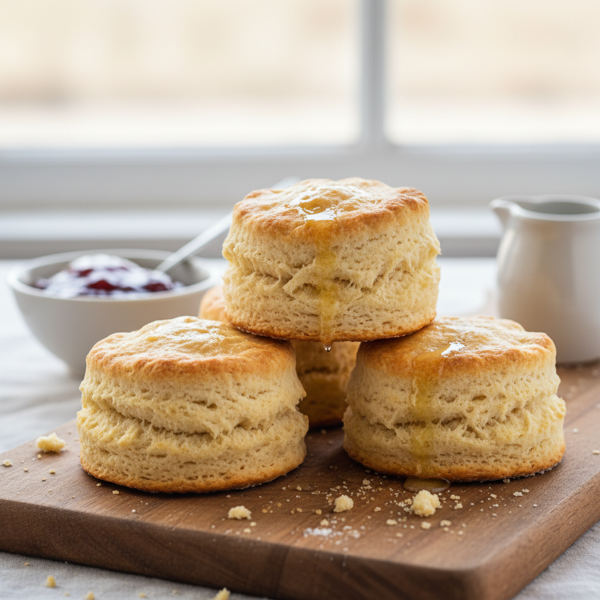
Indulge in these delightful Fluffy Buttermilk Biscuits, perfect for breakfast, brunch, or as a side with your favorite meal. This simple yet rewarding recipe yields tender, flaky biscuits that melt in your mouth. Whether you enjoy them slathered with butter and jam or as an accompaniment to savory dishes, these biscuits are versatile and incredibly easy to make. The addition of fresh or dried herbs can elevate your biscuits to new heights, making them a fantastic addition to any table.
12
Servings
N/A
Calories
6
Ingredients
Ingredients
All-purpose flour
2 cups (Sifted)
Baking powder
4 teaspoons
Granulated sugar
2 tablespoons
Salt
1 teaspoon
Butter or margarine
1/3 cup (Cold, cubed)
Milk
3/4 cup (Cold)
Instructions
1
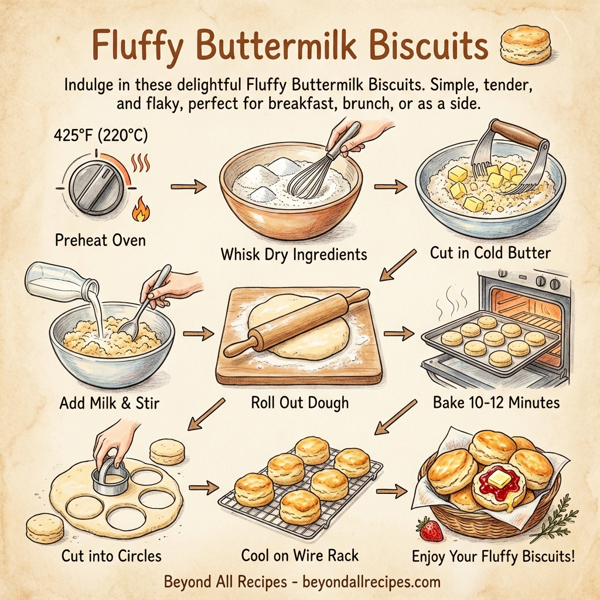
Preheat your oven to 425°F (220°C).
2
In a large mixing bowl, combine the sifted all-purpose flour, baking powder, granulated sugar, and salt. Whisk together until well mixed.
3
Using a pastry blender, fork, or two knives, cut the cold butter or margarine into the dry ingredients until the mixture resembles coarse crumbs.
4
Gradually add the cold milk to the mixture. Stir gently until the dough begins to come together. If the dough is too dry, feel free to add a small amount more milk until you achieve a soft, manageable dough.
5
On a floured surface, turn out the dough and either roll it out or pat it down to a thickness of about 1 inch.
6
Using a floured biscuit cutter or glass, cut the dough into circles. Place the biscuits on a greased baking sheet, making sure they are close but not touching.
7
Bake in the preheated oven for 10-12 minutes or until the biscuits have risen and are a golden brown color. Keep an eye on them, as baking times may vary slightly depending on your oven.
8
Once baked, let them cool for a few minutes on the baking sheet before transferring to a wire rack.
Nutrition Information
Frequently Asked Questions
Frequently Asked Questions
How do I make my biscuits fluffy?
To achieve a fluffy texture, avoid overworking the dough and ensure you use cold butter and cold milk.
What is the correct oven temperature for these biscuits?
Preheat your oven to 425°F (220°C) for the best results.
Can I use margarine instead of butter?
Yes, the recipe allows for either cold butter or margarine.
Why must the butter be cold?
Cold butter creates steam as it melts in the oven, which produces the flaky layers and lift in the biscuits.
How thick should I roll out the biscuit dough?
The dough should be rolled or patted down to a thickness of about 1 inch.
How long do the biscuits need to bake?
Bake them for 10-12 minutes or until they reach a golden brown color.
Can I add herbs to this biscuit recipe?
Yes, fresh or dried herbs can be added to the dry ingredients to elevate the flavor.
What type of flour should I use?
This recipe calls for sifted all-purpose flour.
How many biscuits does this recipe make?
This recipe yields approximately 12 servings.
What can I use if I do not have a biscuit cutter?
A floured glass can be used as a substitute to cut the dough into circles.
Does the recipe require buttermilk or regular milk?
While the title mentions buttermilk, the ingredient list specifically calls for 3/4 cup of cold milk.
Is sifting the flour necessary?
Sifting is recommended as it helps aerate the flour for a lighter biscuit texture.
How do I know when the biscuits are finished baking?
The biscuits are done when they have risen and developed a golden brown color on top.
Can these biscuits be made ahead of time?
You can prepare the dough and cut the biscuits ahead of time, then bake them just before serving for the best quality.
How should I store leftover biscuits?
Store them in an airtight container at room temperature for a day or two, or refrigerate them for longer freshness.
Can I freeze the biscuit dough?
Yes, you can freeze the cut biscuit rounds on a tray and then transfer them to a freezer bag to bake later.
What should I do if my dough is too dry?
If the dough is too dry to come together, add a small amount of extra milk until it becomes manageable.
How do I cut in the butter without a pastry blender?
You can use a fork or two knives to cut the cold butter into the dry ingredients until it resembles coarse crumbs.
Should the biscuits touch each other on the baking sheet?
Place them close together but not touching to allow for even heat distribution.
Are these biscuits suitable for breakfast?
Yes, they are perfect for breakfast or brunch, served with butter, jam, or as part of a savory dish.
How do I get flaky layers in my biscuits?
Flaky layers are achieved by not over-mixing the dough and keeping the fat (butter) in small, cold chunks.
Why didn't my biscuits rise?
Ensure your baking powder is fresh and that you did not twist the cutter when pressing down, which can seal the edges.
Can I use self-rising flour?
If using self-rising flour, you would need to omit the baking powder and salt from the recipe.
Is the sugar in the recipe necessary?
The granulated sugar adds a hint of sweetness and helps with the browning process.
Can I use whole wheat flour?
You can substitute some of the all-purpose flour for whole wheat, but the biscuits will be denser.
What are some serving suggestions for these biscuits?
They are excellent with butter, honey, jam, or served alongside soup, stew, or biscuits and gravy.
How do I avoid making tough biscuits?
Toughness is usually caused by over-handling the dough; stir and knead only until the ingredients are just combined.
Do I need to grease the baking sheet?
Yes, use a greased baking sheet to prevent the biscuits from sticking.
Should I brush the tops with anything?
Brushing the tops with melted butter after baking can add extra flavor and a beautiful sheen.
How long should they cool before eating?
Let them cool on the baking sheet for a few minutes before transferring to a wire rack; they are best served warm.