Festive Gingerbread Ravioli
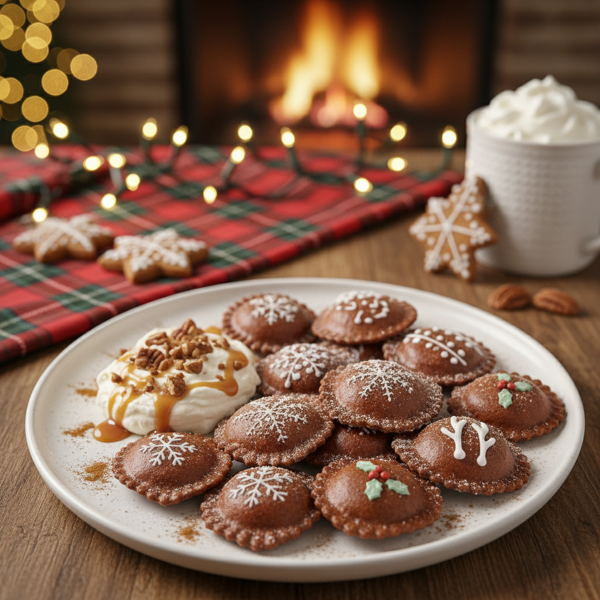
Experience the joy of holiday baking with these Festive Gingerbread Ravioli, a delightful dessert that combines the charming aspects of traditional gingerbread with the playful format of ravioli. Perfect for family gatherings and holiday celebrations, these sweet dumplings are filled with your choice of luscious ingredients, offering endless possibilities for creativity. The aroma of ginger, cinnamon, and nutmeg will fill your kitchen as you prepare this fun treat that delights both kids and adults alike. Not only are these ravioli fun to make, but they also bring a unique twist to festive desserts. Store them in an airtight container, and while the saying goes that they improve with time, the reality is they’re just too addictive to last long! Gather your loved ones and turn snack time into a creative culinary adventure!
N/A
Servings
N/A
Calories
23
Ingredients
Ingredients
Honey
1 cup (None)
Sugar
1/2 cup (None)
Butter
3 1/2 ounces (Melted)
Flour
4 3/4 cups (None)
Gingerbread seasoning
2 teaspoons (None)
Dutch-processed cocoa powder
1 tablespoon (Sifted)
Egg
1 (Beaten)
Salts of hartshorn
1 teaspoon (Dissolved in milk)
Potash
1/2 teaspoon (Dissolved in milk)
Milk
3 tablespoons (Used for dissolving salts)
Dried fruit
as needed (Chopped)
Walnuts
as needed (Chopped)
Marzipan
as needed (Cut into small pieces)
Raisins
as needed (Soaked in rum)
Rum
as needed (Used for soaking)
Strawberry jam
as needed (None)
Praline paste
as needed (Cut into cubes)
Green food coloring
optional (For decorating)
Red food coloring
optional (For decorating)
Raspberry jam
optional (For serving)
Coconut flakes
optional (For garnishing)
White chocolate
optional (Grated for serving)
Marzipan
optional (For decorating)
Instructions
1
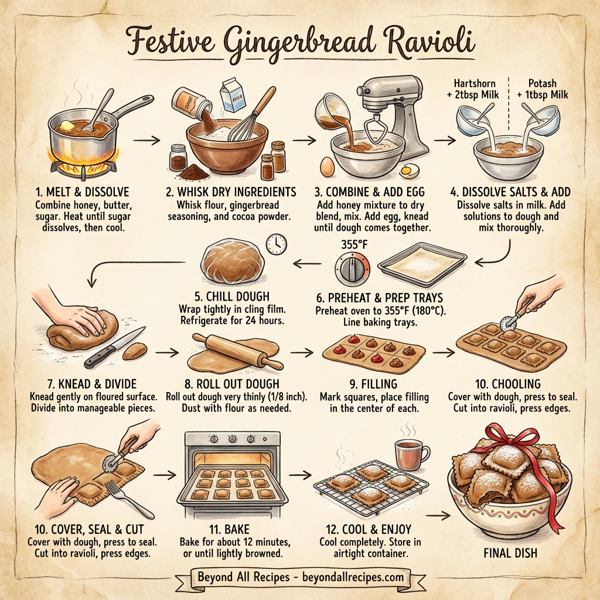
In a medium saucepan, combine the honey, butter, and sugar over low heat. Stir until the sugar completely dissolves, then remove from heat and allow to cool slightly.
2
In a large mixing bowl, whisk together the flour, gingerbread seasoning, and cocoa powder until well integrated.
3
Gradually add the honey mixture to the flour blend, and mix with a dough hook attachment until combined. Then, add the egg and continue mixing until the dough comes together.
4
In separate small bowls, dissolve the salts of hartshorn in 2 tablespoons of milk and the potash in 1 tablespoon of milk. Add both solutions to the dough and mix thoroughly.
5
Wrap the dough tightly in cling film and refrigerate for 24 hours to allow the flavors to meld together.
6
On the following day, preheat your oven to 355°F (180°C) and line baking trays with parchment paper.
7
Dust a clean surface with flour and knead the dough gently. If the dough is sticky, add a little more flour. Divide the dough into manageable pieces.
8
Roll out one piece of dough very thinly (about 1/8 inch thick), dusting with flour as needed to maintain elasticity without sticking.
9
Cut the rolled dough in half. On one half, mark squares measuring about 2 inches by 2 inches and place your chosen filling in the center of each square.
10
Cover the squares with the second half of the dough, pressing gently around each filling to seal. Use a knife or pasta cutter to cut out individual ravioli and press the edges firmly with your fingers or a fork to ensure they are sealed.
11
Transfer the ravioli to the prepared baking sheets and bake for about 12 minutes, or until lightly browned.
12
Once baked, let them cool completely on a cooling rack. Store in an airtight container. Although they are said to improve with time, you may find they are devoured too quickly!
Nutrition Information
Frequently Asked Questions
Frequently Asked Questions
What is Festive Gingerbread Ravioli?
Festive Gingerbread Ravioli is a creative holiday dessert that uses gingerbread dough shaped and filled like traditional Italian ravioli, featuring sweet fillings like marzipan, nuts, and jam.
Is this a sweet or savory dish?
This is a sweet dessert dish specifically designed for holiday celebrations and snacking.
What are the primary flavors in these ravioli?
The primary flavors come from gingerbread seasoning, which includes ginger, cinnamon, and nutmeg, combined with honey and cocoa.
What are salts of hartshorn and potash?
These are traditional leavening agents often used in German gingerbread recipes to provide a specific texture and lift to the dense dough.
Why does the dough need to be refrigerated for 24 hours?
Chilling the dough for 24 hours allows the spices to meld and the leavening agents to react properly, resulting in a better flavor and manageable texture.
What temperature should I bake the ravioli at?
The ravioli should be baked at 355 degrees Fahrenheit or 180 degrees Celsius.
How long do I need to bake them?
Bake the ravioli for approximately 12 minutes or until they are lightly browned.
Can I use different fillings?
Yes, you can use a variety of fillings such as chopped dried fruit, walnuts, marzipan, raisins, strawberry jam, or praline paste.
How thin should I roll the dough?
The dough should be rolled very thinly, approximately 1/8 inch thick, to ensure the ravioli isn't too doughy.
What size should each ravioli square be?
The recommended size for the squares is about 2 inches by 2 inches.
How do I seal the ravioli?
Press gently around each filling to seal the two layers of dough, and then use a fork or your fingers to firmly press the edges.
What is the role of cocoa powder in the recipe?
Dutch-processed cocoa powder adds a depth of color and a subtle chocolate undertone to the gingerbread dough.
What should I do if the dough is too sticky?
If the dough is sticky after the 24-hour rest, gently knead in a little more flour until it reaches a workable consistency.
Can I make this recipe without rum?
Yes, the rum used for soaking raisins is optional and can be omitted or replaced with apple juice for a non-alcoholic version.
How should I store the finished ravioli?
Store the cooled ravioli in an airtight container to keep them fresh.
Do these ravioli taste better over time?
Like many gingerbread recipes, the flavors tend to develop and improve after a few days of storage.
What can I use to decorate the ravioli?
You can use red and green food coloring, coconut flakes, grated white chocolate, or extra marzipan for festive decoration.
Is this a good recipe for children?
Yes, the process of marking squares, placing fillings, and sealing the ravioli is a fun and creative culinary adventure for kids.
What kind of flour is best for this recipe?
Standard all-purpose flour works well for this recipe to provide the necessary structure for the thin dough.
How do I dissolve the salts of hartshorn and potash?
Dissolve the salts of hartshorn in 2 tablespoons of milk and the potash in 1 tablespoon of milk before adding them to the dough.
What tools can I use to cut the dough?
You can use a standard kitchen knife or a decorative pasta cutter for a more traditional ravioli look.
Can I serve these with a dipping sauce?
Yes, serving them with raspberry jam or a side of whipped cream makes for an excellent dessert presentation.
Does the honey need to be a specific type?
Any standard liquid honey will work, though darker honeys will provide a more intense flavor profile.
What is praline paste?
Praline paste is a mixture of caramelized nuts (usually hazelnuts or almonds) ground into a smooth, sweet paste.
Can I prepare the dough in advance?
The recipe requires the dough to be prepared at least 24 hours in advance, and it can typically stay refrigerated for 2-3 days.
How do I ensure the fillings don't leak?
Make sure to leave enough space between the fillings and press the edges very firmly to create a tight seal before baking.
What is the culture of this recipe?
The recipe draws inspiration from German cuisine, particularly traditional Lebkuchen (gingerbread) techniques.
Do I need a stand mixer?
A stand mixer with a dough hook attachment is recommended, but you can also mix and knead the dough by hand.
Should the butter be cold or melted?
The butter should be melted and combined with the honey and sugar over low heat.
How many ingredients are in this recipe?
The recipe lists 23 ingredients, including various optional fillings and decorating items.