Decadent Marbled Butterscotch Pound Cake
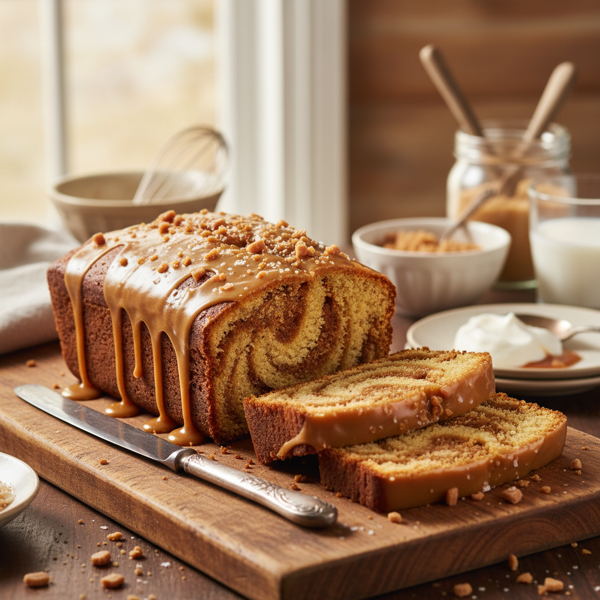
Indulge in the luxurious flavors of our Decadent Marbled Butterscotch Pound Cake, an irresistible dessert that encapsulates the warm, comforting essence of autumn. This moist pound cake features an enchanting blend of rich butterscotch and classic vanilla batters that effortlessly swirl together to create a stunning marbled effect. Each slice offers a delightful balance of sweetness and depth, complemented by the subtle crunch of ground butterscotch candy. Perfect for cozy gatherings or a sweet treat to enjoy alongside your favorite warm beverage, this cake is sure to become a beloved favorite. *Adapted from The Butterscotch Lover's Cookbook.*
N/A
Servings
229
Calories
12
Ingredients
Ingredients
butter
1 cup (softened)
granulated sugar
2 cups (none)
large eggs
3 (none)
milk
1 cup (none)
vanilla extract
2 teaspoons (none)
all-purpose flour
3 cups (none)
baking powder
2 teaspoons (none)
salt
1/4 teaspoon (none)
butterscotch sundae sauce
3/4 cup (none)
ground butterscotch candy
1/3 cup (none)
baking soda
1/4 teaspoon (none)
powdered sugar
to taste (for dusting (optional))
Instructions
1
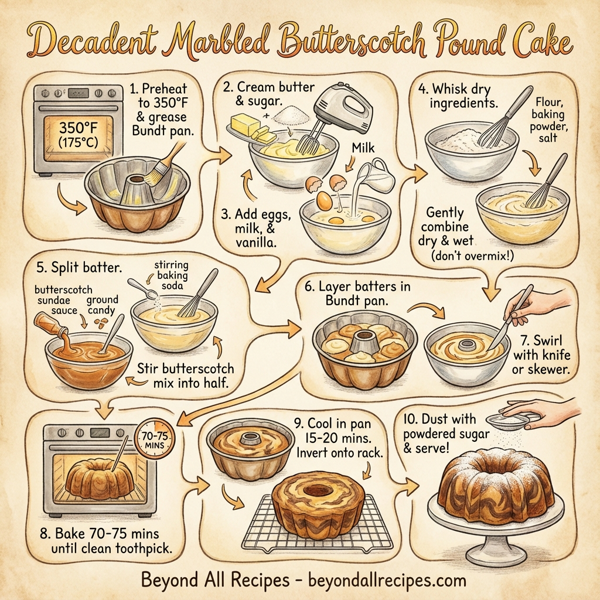
Preheat your oven to 350°F (175°C) and grease a Bundt pan thoroughly to prevent sticking.
2
In a large mixing bowl, use an electric mixer to cream the softened butter and granulated sugar together until the mixture is light and fluffy.
3
Add the eggs one at a time, mixing well after each addition. Then, mix in the milk and vanilla extract until well blended.
4
In a separate bowl, whisk together the flour, baking powder, and salt until combined. Gradually add the dry ingredients to the wet ingredients, stirring gently until just combined. Avoid overmixing to keep the cake tender.
5
Transfer half of the cake batter into a clean bowl. Stir in the butterscotch sundae sauce, ground butterscotch candy, and baking soda until well incorporated.
6
In the prepared Bundt pan, drop several tablespoons of the butterscotch batter in a random pattern. Cover with spoonfuls of the vanilla batter. Repeat the layering process until all of the batters are used up.
7
Using a knife or a skewer, gently swirl the two batters together to create a beautiful marbled effect. Be careful not to over-swirl, as you want to maintain distinct layers.
8
Bake in the preheated oven for 70-75 minutes, or until a toothpick inserted into the thickest part of the cake comes out clean.
9
Let the cake cool in the Bundt pan for 15-20 minutes. Then, using a butter knife, gently loosen the edges and invert the cake onto a wire rack to cool completely.
10
For an elegant touch, dust the cooled cake with powdered sugar before serving, if desired.
Nutrition Information
13g
Fat
31g
Carbs
2g
Protein
Frequently Asked Questions
Frequently Asked Questions
What is Decadent Marbled Butterscotch Pound Cake?
It is a rich dessert featuring a blend of butterscotch and classic vanilla batters swirled together to create a marbled effect.
What temperature should I preheat my oven to?
The oven should be preheated to 350 degrees Fahrenheit or 175 degrees Celsius.
How many calories are in a serving?
There are 229 calories in one serving of this pound cake.
What type of pan is best for this recipe?
A Bundt pan is recommended for this recipe to achieve the traditional pound cake shape.
How do I prevent the cake from sticking to the pan?
You should grease the Bundt pan thoroughly before adding the batter to prevent sticking.
How many eggs are required for this recipe?
The recipe calls for 3 large eggs added one at a time.
How do you create the marbled effect?
Layer the vanilla and butterscotch batters in the pan and gently swirl them together with a knife or skewer.
What are the butterscotch components in this cake?
The cake uses butterscotch sundae sauce and ground butterscotch candy for flavor and texture.
How long does the cake need to bake?
The baking time is between 70 and 75 minutes.
How can I tell if the cake is finished baking?
The cake is done when a toothpick inserted into the thickest part comes out clean.
How long should the cake cool in the pan?
Let the cake cool in the Bundt pan for 15 to 20 minutes before inverting it.
What is the fat content per serving?
Each serving contains 13 grams of fat.
How much all-purpose flour is needed?
The recipe requires 3 cups of all-purpose flour.
What is the total carbohydrate count?
There are 31 grams of carbohydrates per serving.
How much protein does this cake provide?
Each serving provides 2 grams of protein.
Should the butter be cold or room temperature?
The butter should be softened so it can be easily creamed with the sugar.
How much granulated sugar is used in the batter?
The recipe calls for 2 cups of granulated sugar.
How much milk is included in the recipe?
The recipe uses 1 cup of milk.
What is the correct way to add dry ingredients?
Whisk the dry ingredients together first, then gradually add them to the wet ingredients while stirring gently.
Why should I avoid overmixing the batter?
Overmixing can make the cake tough; stirring gently until just combined keeps it tender.
What extra ingredients go into the butterscotch batter?
The butterscotch half of the batter includes sundae sauce, ground butterscotch candy, and baking soda.
Can I add a topping to the finished cake?
Yes, you can dust the completely cooled cake with powdered sugar for an elegant presentation.
How much vanilla extract is used?
The recipe requires 2 teaspoons of vanilla extract.
How much salt is included in the dry ingredients?
The recipe uses 1/4 teaspoon of salt.
How much baking powder is needed?
The recipe calls for 2 teaspoons of baking powder.
How many total ingredients are listed?
There are 12 ingredients in the recipe including the optional powdered sugar.
What season is this cake particularly suited for?
The description notes it encapsulates the essence of autumn, making it perfect for fall gatherings.
What are the primary flavor profiles of this cake?
The cake features rich butterscotch and classic vanilla flavors.
What was the inspiration for this recipe?
This recipe was adapted from The Butterscotch Lover's Cookbook.
What tool is best for swirling the two batters?
A knife or a skewer is recommended for creating the marbled pattern without over-swirling.