Creamy Cheddar Coating Sauce
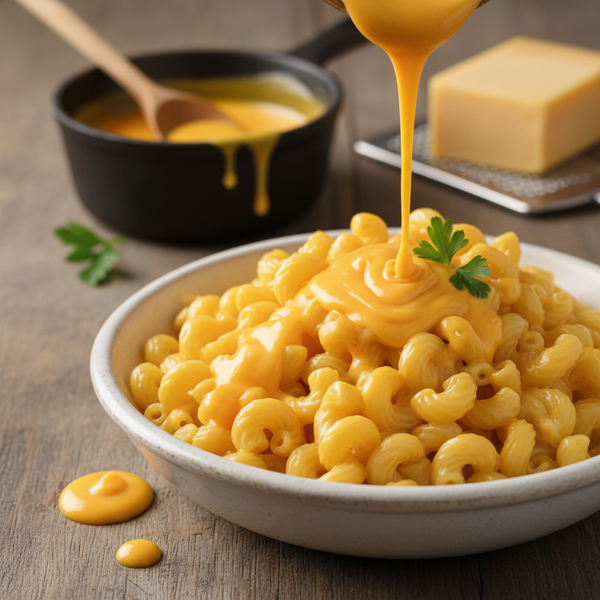
This delightful Creamy Cheddar Coating Sauce is a nostalgic favorite inspired by classic recipes, perfect for elevating your dishes. Thick and luscious, this cheese sauce pairs beautifully with mashed potatoes, steamed vegetables, and is particularly fantastic drizzled over broccoli. One of the great advantages of this sauce is its make-ahead convenience; after cooling in the refrigerator, it solidifies into a block, allowing you to simply slice off as much as you need whenever the craving strikes. We recommend using the strongest shredded cheddar cheese available for a robust flavor, but feel free to choose a cheese that suits your palate. The addition of mustard is optional, but it does enhance the sauce's depth. This recipe requires consistent attention during preparation to achieve the perfect creamy consistency, making it a rewarding endeavor that your family will love.
N/A
Servings
N/A
Calories
5
Ingredients
Ingredients
Butter
2 ounces (Melted)
Plain Flour
2 ounces (Measured)
Milk
1 pint (Measured)
Grated Cheddar Cheese
4-6 ounces (Shredded)
Mustard
1/2 teaspoon (Optional (e.g., Colman’s powder))
Instructions
1
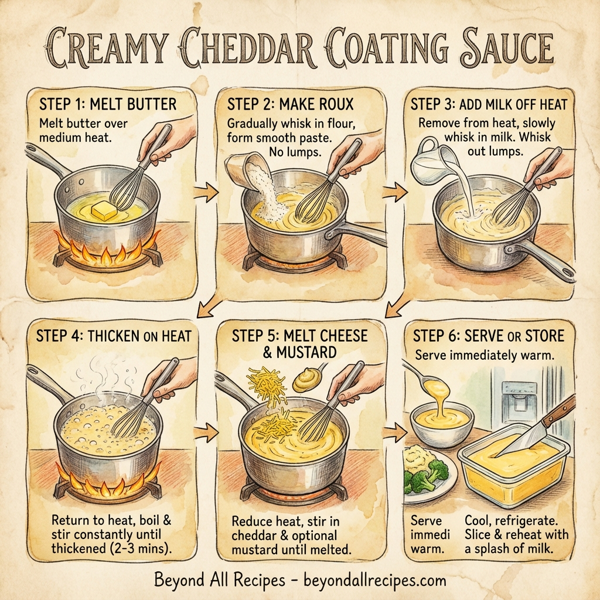
In a medium saucepan, melt the butter over medium heat until fully liquefied.
2
Gradually whisk the plain flour into the melted butter until a smooth paste is formed, ensuring there are no lumps.
3
Remove the saucepan from heat and slowly pour in the milk, continually whisking to maintain a smooth texture. If lumps form, use a fork to break them apart while whisking.
4
Return the saucepan to the heat and slowly bring the mixture to a boil, stirring constantly for 2-3 minutes until thickened.
5
Once the sauce has reached your desired thickness, reduce the heat to low and stir in the grated cheddar cheese and mustard (if using), continuing to stir until the cheese has fully melted and incorporated into the sauce.
6
Serve the sauce immediately for a warm and creamy addition to your meals, or allow it to cool slightly before pouring it into Tupperware for refrigeration. When ready to use, simply cut off what you need and reheat in the microwave or on the stovetop, adding a splash of milk to reach your desired consistency if necessary.
Nutrition Information
Frequently Asked Questions
Frequently Asked Questions
What is Creamy Cheddar Coating Sauce?
It is a thick and luscious cheese sauce inspired by classic recipes, perfect for coating vegetables and potatoes.
What are the best foods to pair with this sauce?
This sauce pairs beautifully with mashed potatoes, steamed vegetables, and is particularly fantastic when drizzled over broccoli.
Can I make this sauce in advance?
Yes, it is designed for make-ahead convenience. Once refrigerated, it solidifies into a block that can be sliced as needed.
What kind of cheese should I use?
We recommend using the strongest shredded cheddar cheese available for a robust flavor, though you can choose any cheese that suits your palate.
Is mustard required for the recipe?
The addition of mustard is optional, but it is highly recommended to enhance the depth of the sauce's flavor.
How do I prevent lumps from forming?
To avoid lumps, gradually whisk the flour into the butter and then slowly pour in the milk while continually whisking. If lumps appear, use a fork to break them apart.
What is the first step in making the sauce?
The first step is to melt 2 ounces of butter in a medium saucepan over medium heat until it is fully liquefied.
How much milk is needed for this recipe?
You will need 1 pint of measured milk for this sauce recipe.
How long should the sauce be boiled?
Once the milk is added, bring the mixture to a boil and stir constantly for 2-3 minutes until it reaches your desired thickness.
When should I add the cheddar cheese?
Add the grated cheddar cheese after the sauce has thickened, reducing the heat to low and stirring until it is fully melted.
Can I store the sauce in the refrigerator?
Yes, allow the sauce to cool slightly before pouring it into a Tupperware container for refrigeration.
How do I reheat the solidified sauce?
Simply cut off the amount you need and reheat it in the microwave or on the stovetop.
What should I do if the sauce is too thick after reheating?
If the sauce is too thick when reheating, add a splash of milk to reach your desired consistency.
What is the recommended amount of cheddar cheese?
The recipe calls for 4 to 6 ounces of grated cheddar cheese.
What type of flour is used?
The recipe uses 2 ounces of plain flour.
Is this recipe suitable for families?
Yes, it is a rewarding endeavor that is generally loved by families due to its creamy and familiar flavor.
Do I need to stir the sauce constantly?
Yes, consistent attention and constant stirring are required during preparation to achieve the perfect creamy consistency.
What specific mustard is suggested?
Colman's mustard powder is an example of a mustard that can be used to add depth to the sauce.
How does the sauce's texture change when cold?
It solidifies into a block, which makes it easy to slice and portion for future use.
Can I serve the sauce immediately?
Yes, the sauce can be served immediately for a warm and creamy addition to your meal.
What heat setting should be used to melt the cheese?
The heat should be reduced to low when stirring in the cheese to ensure it melts smoothly without burning.
Is this sauce considered a 'nostalgic' recipe?
Yes, it is described as a nostalgic favorite inspired by classic recipes.
How much butter is used?
The recipe requires 2 ounces of butter.
What tools are recommended for mixing?
A whisk is recommended for maintaining a smooth texture, and a fork can be used specifically to break up any lumps.
Can I use pre-shredded cheese?
Yes, the recipe specifies grated or shredded cheddar cheese.
How many ingredients are in this recipe?
There are 5 main ingredients: butter, plain flour, milk, cheddar cheese, and mustard.
What is the primary flavor profile?
The primary flavor is a rich, robust cheddar cheese profile enhanced by a hint of mustard.
Why is it called a 'Coating Sauce'?
It is called a coating sauce because its thick and luscious consistency allows it to cling well to vegetables and potatoes.
Can I use a different type of milk?
While the recipe calls for standard milk, you can experiment with others, though it may affect the thickness and richness.
How many grams is 2 ounces of butter?
2 ounces is approximately 56 grams.