Citrus-Infused Quince Olive Oil Cake
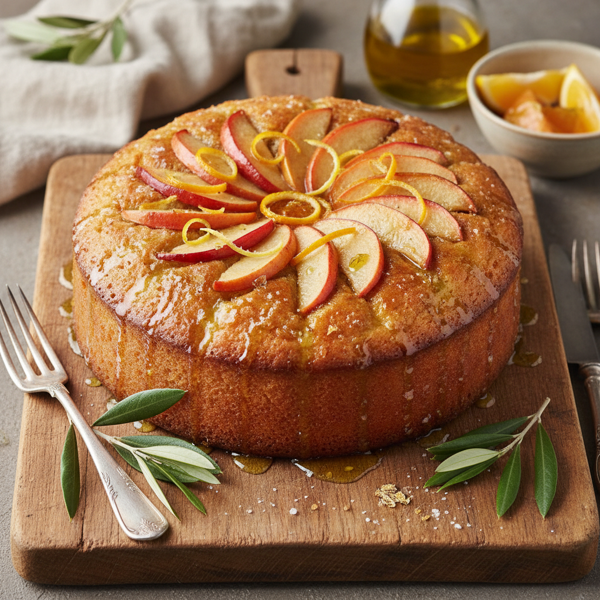
This delightful Citrus-Infused Quince Olive Oil Cake is a moist and fragrant dessert that beautifully marries the warming flavors of citrus with the unique sweetness of quince paste. Inspired by a recipe from the Australian blog Citrus and Candy, this cake is perfect for using up extra quince paste while offering a vibrant burst of flavor. The light olive oil ensures a tender crumb, while the aromatic notes of lemon and orange zest elevate the cake to a sophisticated treat. Serve it dusted with icing sugar, a dollop of creamy mascarpone, and fresh orange slices for an irresistible finish.
8
Servings
N/A
Calories
11
Ingredients
Ingredients
Lemon
1 (Zest, finely grated)
Orange
1 (Zest, finely grated)
Caster Sugar
150g
Plain Flour
1 1/2 cups
Ground Cinnamon
1 teaspoon
Salt
1 pinch
Baking Powder
2 teaspoons
Light Olive Oil
150 ml
Eggs
3
Orange Juice
1 (Freshly squeezed)
Firm Quince Paste
150g (Diced)
Instructions
1
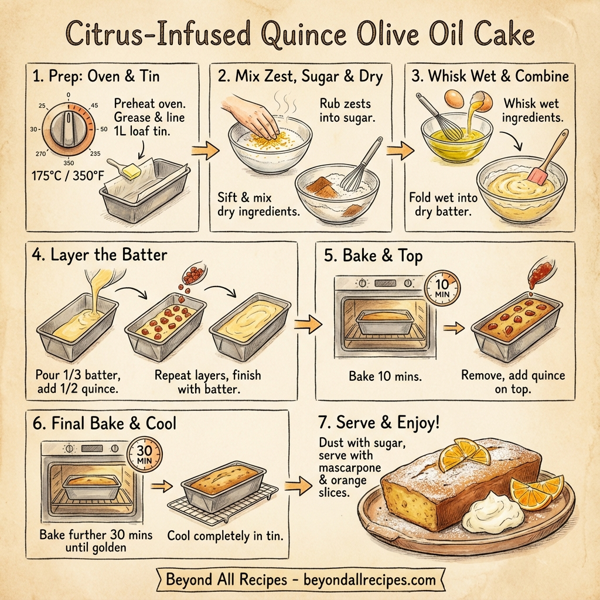
Preheat your oven to 175°C (350°F) and prepare a 1-liter loaf tin by greasing it and lining it with baking paper.
2
In a mixing bowl, combine the finely grated lemon and orange zest with the caster sugar. Use your fingers to rub the zest into the sugar, infusing it with citrus oils until the sugar takes on a light lemony hue.
3
In the same bowl, sift in the plain flour, ground cinnamon, pinch of salt, and baking powder. Mix well until combined.
4
In a separate mixing bowl, whisk together the light olive oil, eggs, and freshly squeezed orange juice until fully blended.
5
Gradually add the wet ingredients to the dry ingredients, folding gently to create a smooth batter.
6
Pour one-third of the batter into the prepared loaf tin, and scatter half of the diced quince paste evenly over the top. Spoon another third of the batter over the quince, then add the remaining diced quince paste. Finally, pour the last third of the batter over the top to enclose the paste.
7
Bake in the preheated oven for 10 minutes, then carefully remove the cake and dot some additional quince paste on top.
8
Return the cake to the oven and bake for an additional 30 minutes or until the top is golden and a skewer inserted into the center comes out clean.
9
Once baked, remove the cake from the oven and let it cool completely in the tin before transferring it to a serving plate.
10
To serve, dust the top of the cake with icing sugar and accompany it with a dollop of mascarpone and fresh orange slices.
11
Store any leftovers in an airtight container for up to one week.
Nutrition Information
Frequently Asked Questions
Frequently Asked Questions
What is Citrus-Infused Quince Olive Oil Cake?
It is a moist and fragrant dessert that combines citrus flavors with the unique sweetness of quince paste, featuring a tender crumb from the use of light olive oil.
What makes this cake unique?
The unique factor is the combination of aromatic lemon and orange zest with diced quince paste, creating a sophisticated and vibrant flavor profile.
How many servings does this recipe provide?
This recipe yields approximately 8 servings.
What is the recommended baking temperature?
The cake should be baked in a preheated oven at 175°C (350°F).
What type of olive oil is best for this cake?
Light olive oil is recommended to ensure a tender crumb without the heavy flavor of extra virgin olive oil.
Can I store leftovers?
Yes, leftovers can be stored in an airtight container for up to one week.
How do I prepare the citrus zest?
Finely grate the zest of one lemon and one orange and rub it into the caster sugar to release the essential oils.
What size loaf tin is required?
A 1-liter loaf tin should be used for this recipe.
How do I prevent the cake from sticking to the tin?
Grease the loaf tin and line it with baking paper before adding the batter.
What dry ingredients are needed?
The dry ingredients include plain flour, ground cinnamon, baking powder, a pinch of salt, and caster sugar.
How should the wet ingredients be mixed?
Whisk together the light olive oil, eggs, and freshly squeezed orange juice until fully blended.
What is the layering technique for the quince paste?
Pour one-third of the batter, scatter half the quince paste, add another third of batter, add the rest of the paste, and finish with the final third of batter.
When should I add the extra quince paste on top?
Add the additional dots of quince paste after the cake has baked for the first 10 minutes.
How long is the total baking time?
The cake bakes for an initial 10 minutes, followed by an additional 30 minutes, totaling approximately 40 minutes.
How do I know when the cake is done?
The cake is ready when the top is golden and a skewer inserted into the center comes out clean.
Should the cake be cooled in the tin?
Yes, let the cake cool completely in the tin before transferring it to a serving plate.
What are the suggested garnishes for serving?
Serve the cake dusted with icing sugar, accompanied by a dollop of mascarpone and fresh orange slices.
Does this recipe use butter?
No, this recipe uses light olive oil instead of butter for moisture.
Is cinnamon used in this recipe?
Yes, one teaspoon of ground cinnamon is included in the dry ingredients.
How much quince paste is required?
The recipe calls for 150g of firm, diced quince paste.
What type of sugar is used?
Caster sugar is used to allow for a fine texture and easy mixing with the citrus zest.
Can I use bottled orange juice?
While fresh is recommended, you can use bottled juice, though the flavor may be less vibrant.
How many eggs are in the recipe?
The recipe requires 3 eggs.
Is this a dessert or a snack?
It is categorized as a dessert but can also be enjoyed as a sophisticated tea cake.
What is the inspiration behind this recipe?
This recipe was inspired by the Australian blog Citrus and Candy.
Should I sift the dry ingredients?
Yes, sifting the flour, cinnamon, and baking powder ensures a smooth batter without lumps.
How much baking powder is needed?
The recipe uses 2 teaspoons of baking powder for leavening.
What color should the sugar be after mixing with zest?
The sugar should take on a light lemony hue as it absorbs the citrus oils.
Is there salt in the recipe?
Yes, a single pinch of salt is added to enhance the other flavors.
What is the texture of the finished cake?
The cake has a moist, tender crumb with pockets of sweet, firm quince paste throughout.