Cinnamon Sugar Delight Loaf
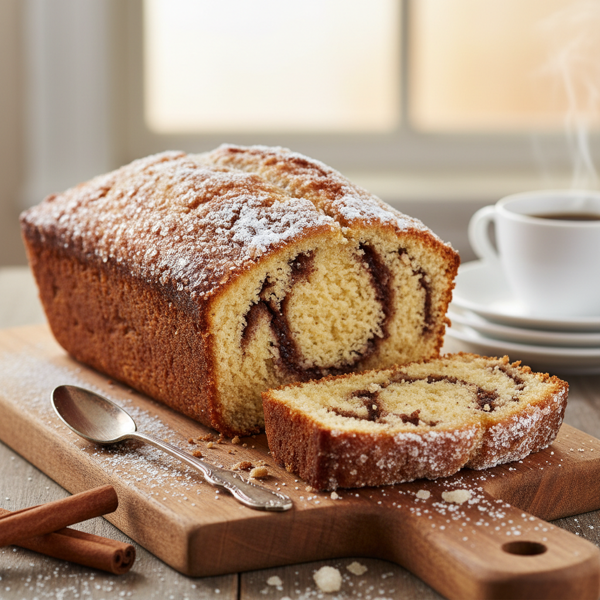
Experience the sweet and aromatic flavors of this Cinnamon Sugar Delight Loaf, a beloved recipe from Bernard Clayton's Complete Book of Breads. Featuring delightful bursts of cinnamon-infused sugar cubes nestled throughout the soft bread, this loaf puffs up beautifully as it bakes, creating a golden crust that is irresistibly crunchy. Perfect for serving at brunch, toasting for breakfast, or enjoying a slice as a sweet afternoon treat, this recipe is sure to become a favorite in your baking repertoire. Simplify your baking experience with this detailed guide, ensuring the perfect loaf every time, and enjoy the delightful treat you create!
N/A
Servings
280
Calories
8
Ingredients
Ingredients
Sugar cubes
1 cup (lightly cracked into halves or quarters)
Ground cinnamon
1 tablespoon
All-purpose flour or bread flour
6 cups (divided)
Nonfat dry milk powder
1/3 cup
Dry yeast
1 (1/4 ounce) package
Salt
2 teaspoons
Hot water
2 cups (heated to 120-130°F)
Shortening
3 tablespoons
Instructions
1
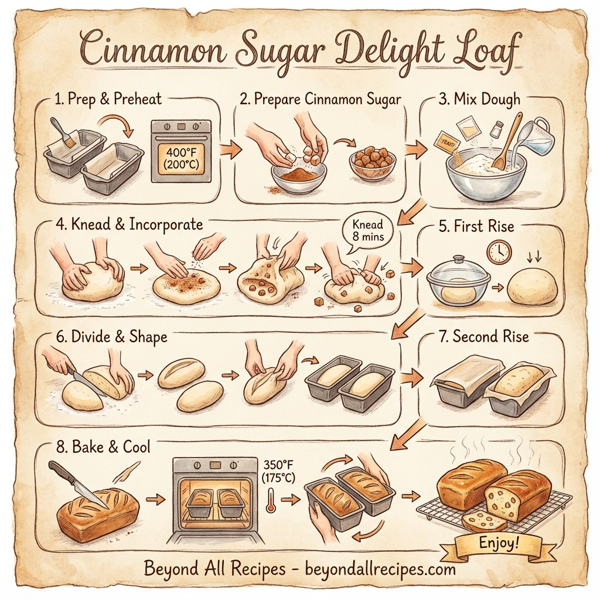
Preheat your oven to 400°F (200°C). Grease two 8 1/2 x 4 1/2 inch loaf pans and line them with parchment paper for easy removal later.
2
In a small bowl, lightly crack the sugar cubes into halves or quarters. Sprinkle the cubes with cinnamon and toss gently until they are evenly coated. Set aside.
3
In a large mixing bowl (or using a stand mixer), combine 2 cups of flour, dry milk, yeast, and salt. Pour in the hot water (120-130°F) and add the shortening. Mix for 2 minutes on medium speed or beat vigorously with a wooden spoon for 150 strong strokes until well-blended.
4
If using a food processor, attach the plastic dough blade. Add 3 cups of flour to the work bowl, then add dry milk, yeast, salt, and shortening. Pour in the hot water and pulse 3-4 times until blended. Gradually add additional flour, 1/4 cup at a time, until the dough is soft and slightly sticky, then process until a ball forms.
5
Transfer the dough to a floured surface and knead for about 2 minutes. Spread the dough flat and sprinkle with 1/4 cup of the cinnamon-sugar mixture. Fold the dough over and knead to incorporate the sugar. Continue this process, adding the remaining sugar mixture in increments, kneading until the cubes are incorporated and you achieve a uniform dough. Knead for a total of 8 minutes, ensuring any protruding sugar cubes are pushed back into the dough.
6
Place the dough in a greased bowl, turning to coat. Cover with plastic wrap and allow to rise in a warm spot until doubled in size, about 45 minutes to 1 hour.
7
After the first rise, gently turn the dough onto a lightly floured surface and divide it in half. Pinch the seams together to seal off any sugar pockets that may have formed. Allow the dough pieces to rest for 3-4 minutes.
8
Shape each piece into an oval, about the length of the bread pan. Fold each oval in half, pinch to seal, and tuck the ends under. Place each loaf seam-side down in the prepared pans.
9
Cover the loaves with parchment paper and let them rise in a warm place until the centers are about 1/2 inch above the pan edges, approximately 45 minutes.
10
If desired, use a sharp knife to cut a decorative pattern on the top of each loaf before baking. Bake in the preheated oven for 15 minutes, then reduce the heat to 350°F (175°C) and bake for an additional 40 minutes.
11
Halfway through baking, rotate the loaves to ensure even cooking. Once fully baked, remove the loaves from the oven and cool on a wire rack, carefully pulling the loaves out of the pans using the parchment paper. Let cool before slicing and serving.
Nutrition Information
9
Fat
48
Carbs
4.8
Protein
Frequently Asked Questions
Frequently Asked Questions
What is Cinnamon Sugar Delight Loaf?
It is a sweet and aromatic yeast bread featuring bursts of cinnamon-infused sugar cubes and a crunchy golden crust, based on a recipe from Bernard Clayton's Complete Book of Breads.
Who is the original author of this bread recipe?
This recipe is a version of a beloved bread featured in Bernard Clayton's Complete Book of Breads.
What are the primary ingredients for the Cinnamon Sugar Delight Loaf?
The main ingredients include sugar cubes, ground cinnamon, flour (all-purpose or bread), nonfat dry milk powder, dry yeast, salt, hot water, and shortening.
How should I prepare the sugar cubes for this recipe?
Lightly crack the sugar cubes into halves or quarters and toss them in a small bowl with cinnamon until they are evenly coated.
What is the initial oven temperature for baking?
The oven should be preheated to 400°F (200°C) for the first stage of baking.
What size loaf pans are required?
You will need two 8 1/2 x 4 1/2 inch loaf pans.
Can I use a food processor to make this dough?
Yes, you can use a food processor with a plastic dough blade by pulsing the ingredients and processing until a ball forms.
What temperature should the water be for the yeast mixture?
The hot water should be between 120-130°F to properly activate the yeast without killing it.
How much flour is needed in total?
The recipe calls for approximately 6 cups of all-purpose or bread flour, which is added in stages.
How do I incorporate the cinnamon sugar cubes into the dough?
Spread the dough flat, sprinkle the cinnamon-sugar mixture over it, fold the dough, and knead until the cubes are evenly distributed.
How long should I knead the dough in total?
The dough should be kneaded for a total of 8 minutes once you begin incorporating the sugar cubes.
What should I do if sugar cubes protrude from the dough?
Ensure any protruding sugar cubes are pushed back into the dough to prevent them from burning or leaking during baking.
How long does the first rise take?
The dough should rise in a warm spot for about 45 minutes to 1 hour, or until it has doubled in size.
How many loaves does this recipe produce?
This recipe makes two loaves of bread.
What is the shaping process for the loaves?
Shape each piece into an oval, fold in half, pinch to seal the seams, tuck the ends under, and place seam-side down in the pans.
How high should the dough rise in the pans before baking?
The centers of the loaves should rise to about 1/2 inch above the edges of the loaf pans.
How long is the second rise?
The second rise in the pans takes approximately 45 minutes.
What is the total baking time and temperature sequence?
Bake at 400°F for 15 minutes, then reduce the heat to 350°F and bake for an additional 40 minutes.
Should the loaves be rotated during baking?
Yes, rotate the loaves halfway through the baking process to ensure they cook and brown evenly.
How do I prevent the bread from sticking to the pans?
Grease the pans and line them with parchment paper to ensure the loaves can be easily removed.
How should I cool the bread?
Cool the loaves on a wire rack after removing them from the pans using the parchment paper handles.
What are the nutritional statistics per serving?
Each serving contains approximately 280 calories, 9g of fat, 48g of carbohydrates, and 4.8g of protein.
Can I add a decorative pattern to the loaf?
Yes, you can use a sharp knife to cut a decorative pattern on the top of each loaf just before placing them in the oven.
What type of milk is used in this recipe?
The recipe uses 1/3 cup of nonfat dry milk powder.
What is the purpose of the shortening?
Shortening helps create a soft, tender crumb and improves the shelf life of the bread.
How should I mix the dough if I do not have a stand mixer or food processor?
You can beat the mixture vigorously with a wooden spoon for 150 strong strokes until it is well-blended.
Why is the water temperature specific?
The 120-130°F range is necessary for the dry yeast to activate effectively when mixed with dry ingredients.
Is this bread suitable for toasting?
Yes, it is excellent when toasted for breakfast, which enhances the cinnamon-sugar flavors.
What is the texture of the finished loaf?
The loaf features a soft interior with bursts of sweetness and an irresistibly crunchy golden crust.
Can I use this bread for brunch?
Absolutely, it is perfect for serving at brunch or as a sweet afternoon treat.