Chickpea & Spelt Flour Pizza Crust - Gluten Free
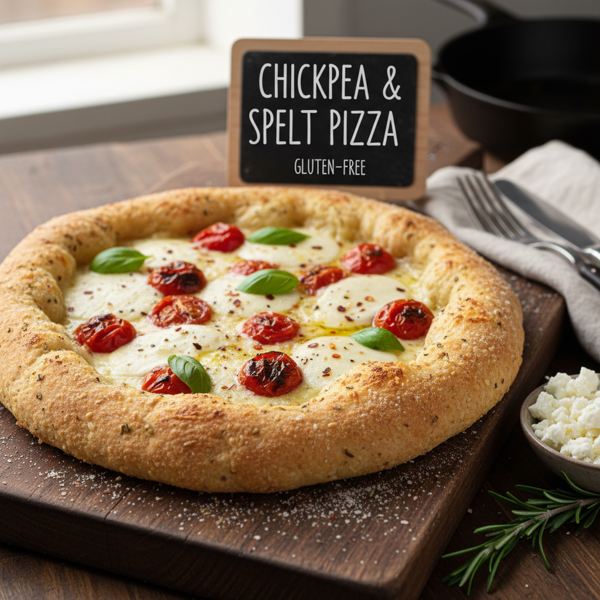
Indulge in a delicious, crispy pizza crust that is both gluten-free and packed with flavor! This Chickpea & Spelt Flour Pizza Crust brings a delightful nutty taste and a hearty texture to your homemade pizzas. Perfectly suited for those with dietary restrictions, this crust uses spelt flour, which is often tolerated by those with wheat allergies. With the option to infuse your crust with garlic, oregano, or even a sprinkle of parmesan, you can tailor it to your taste preferences. This versatile and nutritious crust serves as a fantastic base for all your favorite toppings, making it a perfect family meal any night of the week. Get ready to impress your guests with this easy-to-follow recipe that combines wholesome ingredients with creativity!
N/A
Servings
N/A
Calories
6
Ingredients
Ingredients
Warm water
1 cup (Must be warm (about 110°F/43°C) for yeast activation.)
Dry yeast
1 tablespoon (Ensure it is active for best results.)
Chickpea flour
1 cup (Sift to remove any lumps.)
Spelt flour
2 cups (Sift to incorporate air.)
Salt
1 teaspoon (Use fine salt for even distribution.)
Olive oil
2 tablespoons (Extra virgin recommended for flavor.)
Instructions
1
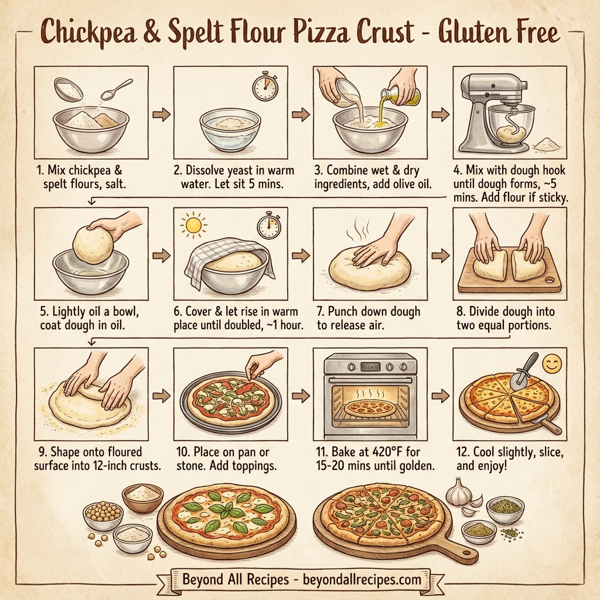
In a mixing bowl, combine chickpea flour, spelt flour, and salt until well blended.
2
In a separate bowl, dissolve the dry yeast in warm water. Allow it to sit for about 5 minutes until frothy.
3
Gradually pour the yeast mixture into the dry flour blend, then add the olive oil.
4
Using a Kitchenaid mixer with a dough hook, mix on medium speed until a dough forms, about 5 minutes. If the dough is too sticky, sprinkle in a little extra chickpea or spelt flour.
5
Once the dough has formed, remove it from the bowl and lightly oil the bowl.
6
Return the dough to the oiled bowl, turning it around to coat all sides with oil.
7
Cover the bowl with a clean kitchen towel and let it rise in a warm place until doubled in size, approximately 1 hour.
8
Preheat your oven to 420°F (215°C). If using a pizza stone, place it in the oven as it preheats.
9
Once risen, punch down the dough gently to release air. Divide the dough into two equal portions.
10
On a lightly floured surface (using chickpea flour), shape each portion into a 12-inch pizza crust. Transfer the crusts to a greased pizza pan or a preheated stone.
11
Add your desired sauce, toppings, and cheese.
12
Bake in the preheated oven for 15 to 20 minutes, or until the crust is golden brown and the toppings are cooked to your liking.
13
Allow to cool slightly before slicing and enjoy your delicious, gluten-free pizza!
Nutrition Information
Frequently Asked Questions
Frequently Asked Questions
Is Chickpea & Spelt Flour Pizza Crust really gluten-free?
The recipe description labels it as gluten-free; however, it is important to note that spelt flour naturally contains gluten, although it is often tolerated better by some than common wheat.
How many pizza crusts does this recipe make?
This recipe yields two equal portions of dough, enough for two separate pizza crusts.
What is the recommended size for each pizza crust?
Each portion of dough should be shaped into a 12-inch pizza crust.
At what temperature should I preheat my oven?
You should preheat your oven to 420°F (215°C) before baking the crust.
How long does the dough need to rise?
The dough should rise in a warm place for approximately 1 hour or until it has doubled in size.
What is the ideal temperature for the warm water?
The water should be warm, approximately 110°F (43°C), to properly activate the yeast.
How long should I let the yeast sit to become frothy?
Allow the dry yeast to sit in the warm water for about 5 minutes until it becomes frothy.
What tools are recommended for mixing the dough?
A Kitchenaid mixer equipped with a dough hook is recommended for the best results.
How long should I mix the dough using a mixer?
Mix the dough on medium speed for about 5 minutes until it forms properly.
What should I do if the dough is too sticky?
If the dough is too sticky, you can sprinkle in a little extra chickpea or spelt flour during the mixing process.
Why do I need to sift the chickpea flour?
Sifting the chickpea flour helps to remove any lumps and ensures a smooth dough texture.
Why should I sift the spelt flour?
Sifting the spelt flour helps incorporate air into the mixture for a better crust consistency.
Can I use a pizza stone for this recipe?
Yes, you can use a pizza stone. Place it in the oven while it preheats for the best results.
How long does the pizza take to bake?
Bake the pizza in the preheated oven for 15 to 20 minutes.
How do I know when the crust is finished baking?
The crust is ready when it is golden brown and your chosen toppings are cooked to your liking.
Can I add flavorings directly to the crust?
Yes, you can infuse the crust with garlic, oregano, or a sprinkle of parmesan to tailor it to your taste.
What type of oil is recommended for this recipe?
Two tablespoons of olive oil are used in the dough, with extra virgin olive oil recommended for the best flavor.
Why do I need to punch down the dough?
Punching down the dough gently after it has risen helps to release trapped air before shaping.
Should I grease the pizza pan?
Yes, you should transfer the crusts to a greased pizza pan or a preheated stone to prevent sticking.
Can I use chickpea flour for dusting the surface?
Yes, it is recommended to use chickpea flour on your surface when shaping the dough.
Is this recipe suitable for vegetarians?
Yes, the ingredients listed for the crust are entirely vegetarian-friendly.
What makes this crust taste nutty?
The combination of chickpea flour and spelt flour provides a delightful nutty taste and hearty texture.
What kind of salt should I use?
Fine salt is recommended to ensure even distribution throughout the dough.
How many ingredients are required for the crust?
The base crust requires 6 ingredients: warm water, dry yeast, chickpea flour, spelt flour, salt, and olive oil.
Is this recipe considered a family meal?
Yes, the recipe description highlights it as a perfect family meal for any night of the week.
Do I need to let the pizza cool before slicing?
Allowing the pizza to cool slightly before slicing is recommended for the best experience.
What is the prep for the dry yeast?
Ensure the yeast is active and dissolve it in warm water until frothy before adding it to the flour.
What should the dough look like after rising?
The dough should have doubled in size after resting for about an hour in a warm place.
Can I use this crust for any toppings?
Yes, this versatile and nutritious crust serves as a fantastic base for all your favorite pizza toppings.
How do I oil the bowl for the dough?
Remove the dough, lightly oil the bowl, then return the dough and turn it to coat all sides with oil.