Chewy Gluten-Free Flatbreads
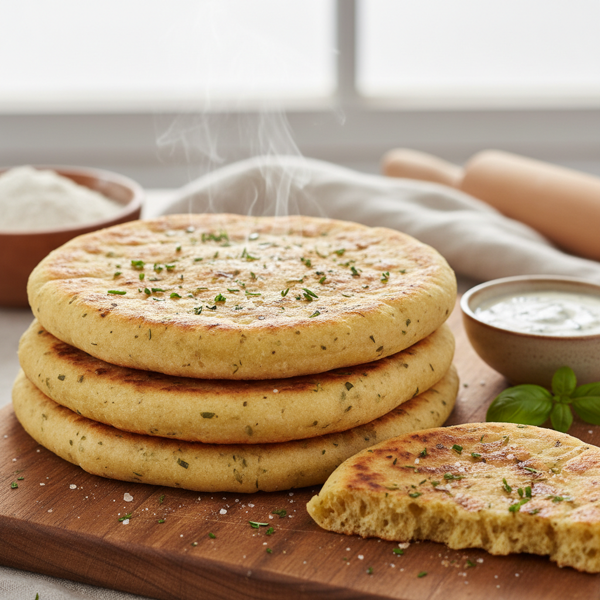
These Chewy Gluten-Free Flatbreads are a delightful spin on traditional pan-fried breads. Unlike typical flatbreads, these have a unique chewy texture reminiscent of noodle-like creations, making them perfect for quesadilla-style sandwiches filled with salsa and cheese. The combination of black bean flour, brown rice flour, and a blend of starches gives them a flexible nature, while still being light and satisfying. Serve them warm and fresh for the best experience—your taste buds will be sure to thank you, even that wheat-loving partner of yours!
3
Servings
N/A
Calories
7
Ingredients
Ingredients
black bean flour
1 (tablespoon)
brown rice flour
3 (tablespoons)
potato starch
2 (tablespoons)
tapioca starch
1 (tablespoon)
egg
1 (large, beaten)
milk
1/3 (cup, approximate amount)
oil
3 (tablespoons, for pan frying)
Instructions
1
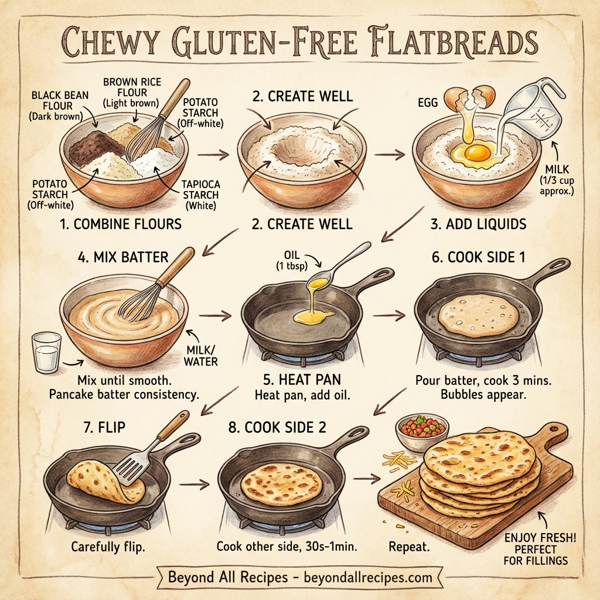
In a medium-sized bowl, combine the black bean flour, brown rice flour, potato starch, and tapioca starch. Mix well to ensure an even distribution.
2
Create a well in the center of the flour mixture.
3
Crack the egg into the well and pour in approximately 1/3 cup of milk. Use less milk initially, adding more as needed to achieve the right consistency.
4
Mix the ingredients thoroughly until the batter is smooth and free of lumps. Aim for a pancake batter consistency; add more liquid if necessary, using a combination of milk and water for best results.
5
Heat a cast-iron pan over medium-high heat and add 1 tablespoon of oil. Once hot, pour in enough batter to create a flat round (similar to a pancake).
6
Cook for about 3 minutes or until the edges start to set and small bubbles appear on the surface.
7
Carefully flip the flatbread with a spatula and cook the other side for about 30 seconds to 1 minute until lightly browned.
8
Remove the flatbread from the pan and set aside. Repeat the process with the remaining batter, adding oil to the pan as needed between batches.
9
Enjoy the flatbreads fresh, perfect for wrapping your favorite fillings!
Nutrition Information
Frequently Asked Questions
Frequently Asked Questions
What are Chewy Gluten-Free Flatbreads?
They are a unique spin on traditional pan-fried breads with a noodle-like chewy texture, made without wheat flour.
Are these flatbreads gluten-free?
Yes, this recipe is specifically designed to be gluten-free, using a blend of bean flour, rice flour, and starches.
What flours are used in this recipe?
The recipe uses a combination of black bean flour and brown rice flour.
What starches are included in the dough?
This recipe requires both potato starch and tapioca starch to achieve the proper consistency and flexibility.
What is the texture of these flatbreads?
They have a unique chewy texture that is reminiscent of noodle-like creations, making them very flexible.
How many servings does this recipe provide?
This recipe makes approximately 3 servings.
What is the first step in making the flatbreads?
The first step is to combine the black bean flour, brown rice flour, potato starch, and tapioca starch in a medium-sized bowl.
How do I incorporate the wet ingredients?
Create a well in the center of your dry flour mixture, crack an egg into it, and pour in the milk.
How much milk should I use?
Start with about 1/3 cup of milk, adding more as needed to reach the desired consistency.
What consistency should the batter be?
The batter should be smooth and free of lumps, aiming for a consistency similar to pancake batter.
Can I use water in the batter?
Yes, for the best results, you can use a combination of milk and water to reach the right liquid consistency.
What type of pan is best for cooking these?
A cast-iron pan is recommended for heating over medium-high heat to cook the flatbreads.
How much oil is needed for frying?
You should use about 1 tablespoon of oil per batch, totaling around 3 tablespoons for the recipe.
How long do I cook the first side?
Cook the first side for about 3 minutes or until the edges set and bubbles appear on the surface.
How long do I cook the second side?
After flipping, cook the other side for about 30 seconds to 1 minute until it is lightly browned.
What should I look for before flipping the flatbread?
Wait for the edges to set and for small bubbles to appear on the surface of the batter.
Are these flatbreads vegetarian?
Yes, these flatbreads are vegetarian-friendly.
How should I serve these flatbreads?
They are best served fresh and warm, perfect for wrapping fillings or making quesadilla-style sandwiches.
What fillings are suggested for these flatbreads?
The recipe suggests filling them with salsa and cheese for a delicious snack.
Can I use these for sandwiches?
Yes, their flexible nature makes them excellent for quesadilla-style sandwiches.
Is black bean flour necessary?
Yes, black bean flour provides the specific nutritional profile and part of the texture for this recipe.
Are these flatbreads suitable for people who usually eat wheat?
Yes, the description notes that even wheat-loving partners will enjoy the satisfying taste of these flatbreads.
What tags are associated with this recipe?
Tags include gluten-free, flatbread, baking, vegetarian, salsa, cheese, pancakes, healthy, and snacks.
Can I repeat the process for multiple batches?
Yes, simply add more oil to the pan as needed between batches until all the batter is used.
Do I need to beat the egg?
The ingredient list specifies 1 large egg, beaten, for the best results in the batter.
Are these considered healthy?
Yes, they are tagged as healthy and provide a gluten-free alternative to traditional breads.
What category does this recipe fall under?
This recipe is categorized under Breads.
Can I use white rice flour instead of brown rice flour?
The recipe specifically calls for brown rice flour, which contributes to the flavor and texture.
How do I ensure there are no lumps in the batter?
Mix the ingredients thoroughly and add your liquid gradually to ensure a smooth, pancake-like consistency.
Should the flatbreads be eaten cold?
For the best experience, it is recommended to serve and enjoy them fresh and warm.