Buttery Herb Parker House Rolls
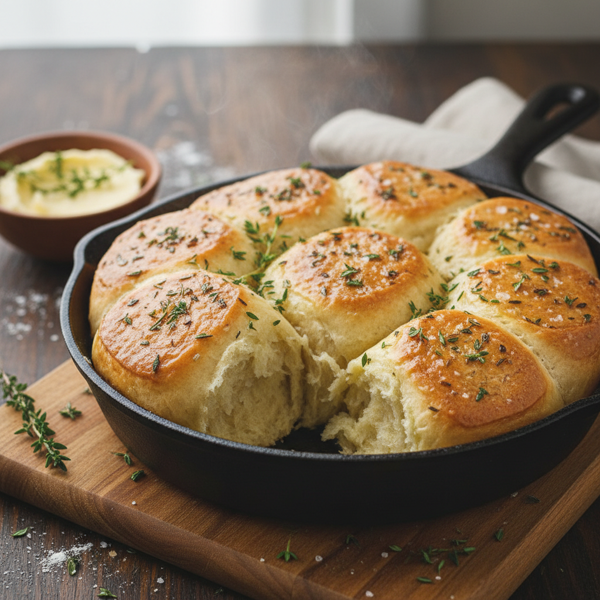
Indulge in these sumptuous Parker House Rolls that are rich with butter and bursting with flavor. The rolls are delightfully soft, perfect for soaking up sauces or enjoying on their own. Shaped into smooth balls, they're baked to a golden perfection and brushed with melted butter right before serving. For an extra touch, I topped each row with a variety of toppings: toasted poppy seeds, toasted sesame seeds, a flavorful mix of dill weed, kosher salt, and sugar, as well as grated Parmesan cheese. These rolls are the perfect accompaniment to any meal or can be savored fresh out of the oven. Enjoy a warm, fragrant experience that will have everyone coming back for more!
N/A
Servings
N/A
Calories
15
Ingredients
Ingredients
water
3 tablespoons (warm (105 to 110°F))
sugar
3 tablespoons (granulated)
active dry yeast
2 1/2 teaspoons (1 package)
unsalted butter
1/2 cup (melted (1 stick))
milk
1 cup (lukewarm)
bread flour
2 cups (all-purpose)
salt
1 1/2 teaspoons (kosher or sea salt)
all-purpose flour
1 1/2-2 cups (as needed for kneading)
butter
2 tablespoons (melted for brushing)
poppy seeds
to taste (toasted for topping)
sesame seeds
to taste (toasted for topping)
dill weed
to taste (for topping)
kosher salt
to taste (for topping)
sugar
to taste (for topping)
Parmesan cheese
to taste (grated for topping)
Instructions
1
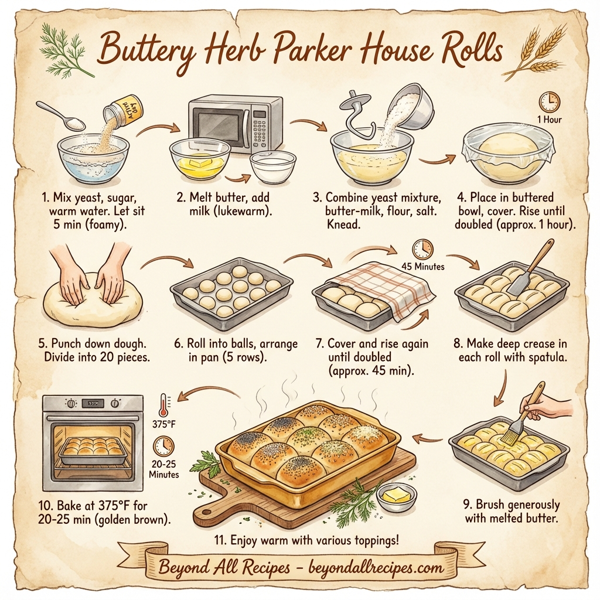
In the bowl of a heavy-duty mixer, combine the warm water, sugar, and active dry yeast. Let this mixture sit for about 5 minutes until it becomes foamy, indicating that the yeast is active.
2
In a separate glass bowl, melt 1 stick of unsalted butter in the microwave.
3
Add milk to the melted butter and heat until lukewarm, making sure it doesn’t exceed 110°F.
4
Incorporate the milk mixture into the yeast mixture and attach the dough hook to the mixer.
5
Blend in the bread flour and salt until well combined.
6
Gradually add all-purpose flour, one cup at a time, until a slightly sticky dough ball forms.
7
Continue to knead the dough for 5 to 10 minutes, adding more all-purpose flour if the dough becomes overly sticky. It should be smooth and elastic when finished.
8
Transfer the dough into a greased or buttered bowl, turning it to ensure it's coated with butter.
9
Cover the bowl loosely with plastic wrap and let the dough rise in a warm place for about an hour, or until it has doubled in size.
10
Preheat your oven to 375°F and grease a 13 x 9-inch baking pan.
11
Once the dough has risen, punch it down and divide it into approximately 20 equal pieces.
12
Roll each piece into a smooth ball and arrange them in the prepared baking pan, placing them in 5 rows.
13
Cover the rolls loosely with a kitchen towel or plastic wrap and allow them to rise again until doubled in size, approximately 45 minutes.
14
After the second rise, use a spatula to make a deep crease down the center of each roll.
15
Let the rolls rest with the covering for an additional 15 minutes.
16
Melt 2 tablespoons of butter in the microwave and brush the tops of the rolls generously.
17
Bake the rolls in the center of the oven for 20 to 25 minutes, or until they're golden brown and sound hollow when tapped on their bottoms.
18
Remove from the oven and let cool slightly before enjoying them warm, topped with your choice of poppy seeds, sesame seeds, dillweed salt mix, or Parmesan cheese.
Nutrition Information
Frequently Asked Questions
Frequently Asked Questions
What are Buttery Herb Parker House Rolls?
They are soft, rich dinner rolls made with butter and milk, shaped into balls, creased for a traditional look, and topped with various herbs and seeds.
How long does it take for the yeast to activate?
The yeast should sit in the warm water and sugar mixture for about 5 minutes until it becomes foamy.
What temperature should the water be for the yeast?
The water should be warm, specifically between 105 and 110 degrees Fahrenheit.
Can I use salted butter instead of unsalted?
The recipe calls for 1/2 cup of unsalted butter; if you use salted, you may want to slightly reduce the added salt in the dough.
What is the role of milk in this recipe?
Milk adds richness to the dough and helps create a softer, more tender crumb compared to water-only breads.
Why does the recipe use both bread flour and all-purpose flour?
Bread flour provides the structure and chewiness, while all-purpose flour is added gradually to achieve the perfect slightly sticky consistency.
How much salt is needed for the dough?
The dough requires 1 1/2 teaspoons of kosher or sea salt.
How long should I knead the dough?
The dough should be kneaded for 5 to 10 minutes until it is smooth and elastic.
What should the dough look like after kneading?
It should be a smooth and elastic dough ball that is only slightly sticky.
How long is the first rise?
The dough should rise in a warm place for about an hour, or until it has doubled in size.
At what temperature should the oven be preheated?
The oven should be preheated to 375 degrees Fahrenheit.
What size baking pan is recommended?
A greased 13 x 9-inch baking pan is ideal for this recipe.
How many rolls does this recipe make?
The recipe makes approximately 20 equal-sized rolls.
How should the rolls be arranged in the pan?
The rolls should be arranged in 5 rows within the prepared baking pan.
How long is the second rise?
The second rise takes approximately 45 minutes, or until the rolls have doubled in size.
What is the spatula used for in this recipe?
After the second rise, a spatula is used to make a deep crease down the center of each roll.
Should I brush the rolls with butter before or after baking?
You should brush the tops generously with 2 tablespoons of melted butter right before they go into the oven.
How long do the rolls need to bake?
Bake the rolls for 20 to 25 minutes until golden brown.
How do I know the rolls are finished baking?
The rolls are done when they are golden brown and sound hollow when tapped on the bottom.
What are the suggested herb toppings?
Suggested toppings include toasted poppy seeds, toasted sesame seeds, Parmesan cheese, and a mix of dill weed, kosher salt, and sugar.
Can I use a stand mixer?
Yes, the instructions specifically suggest using a heavy-duty mixer with a dough hook.
How do I prepare the dill topping?
Mix dill weed, kosher salt, and a bit of sugar to create the flavorful herb topping.
Do I need to grease the bowl for the first rise?
Yes, transfer the dough to a greased or buttered bowl and turn it to coat the dough in butter.
What type of yeast is used?
The recipe uses 2 1/2 teaspoons (one package) of active dry yeast.
What should I do if the dough is too sticky during kneading?
Gradually add more all-purpose flour until it reaches a smooth and elastic consistency.
Should the rolls rest after being creased?
Yes, let the rolls rest covered for an additional 15 minutes after making the crease.
How should I serve these rolls?
They are best enjoyed warm, fresh out of the oven, topped with your choice of seeds or cheese.
Is the milk heated separately?
The milk is added to the melted butter and then heated until the combined mixture is lukewarm.
Can I skip the sugar in the dough?
The 3 tablespoons of granulated sugar help feed the yeast and provide a slight sweetness to the roll.
Is bread flour necessary for this recipe?
Yes, the recipe specifically calls for 2 cups of bread flour to provide the necessary protein content for the roll's structure.