Authentic Sushi Rice Delight
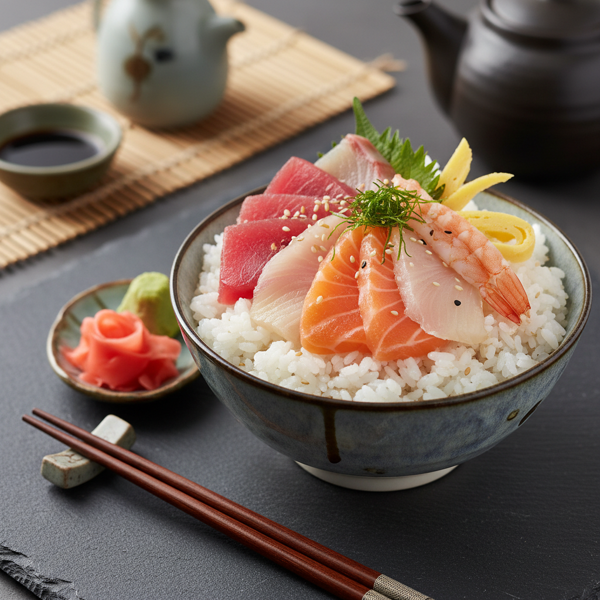
Elevate your sushi game with this Authentic Sushi Rice Delight recipe, perfect for crafting exquisite sushi rolls or delightful rice balls. This traditional Japanese rice preparation combines short-grain rice with a delicate balance of sweet and tangy vinegar, resulting in a sticky yet flavorful base that complements all types of sushi. Serve it fresh, enhance it with toppings, or enjoy it on its own as a tasty treat! Experience the art of sushi-making from the comfort of your kitchen and impress your friends and family with your culinary skills.
3
Servings
117
Calories
6
Ingredients
Ingredients
Short-grain rice
3/4 cup (uncooked, matured (look for rice specifically for sushi, or commonly use Jasmine rice))
Water
1 cup (for cooking rice)
Dried kelp
1 piece (2-inch strip, wiped clean (optional))
Rice wine vinegar
1 1/2 tablespoons (for sushi vinegar mixture)
Powdered sugar
1 tablespoon (for sushi vinegar mixture)
Salt
1/2 teaspoon (for sushi vinegar mixture)
Instructions
1
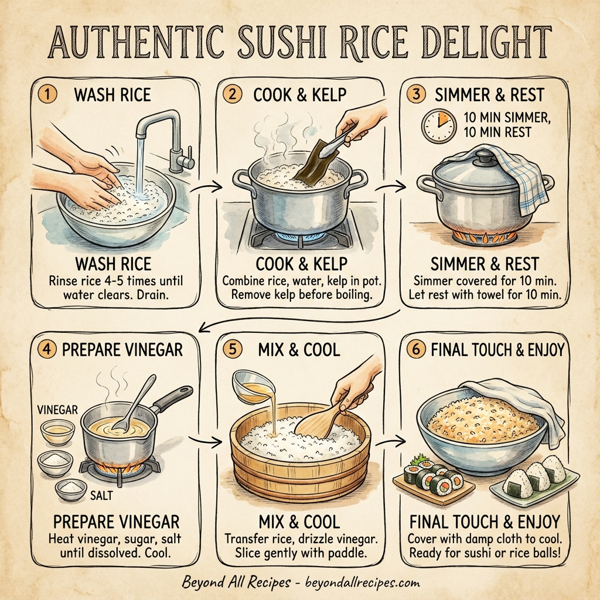
Begin by thoroughly washing the short-grain rice. Place the rice in a bowl of cold water and agitate with your hands until the water turns milky. Drain and repeat this rinsing process four to five times until the water is nearly clear. Finally, drain the rice one last time.
2
In a pot with a tight-fitting lid, combine the washed rice, water, and the dried kelp strip. Bring the mixture to a boil over medium heat, ensuring to remove the kelp just before reaching the boiling point.
3
Once boiling, immediately cover the pot with a lid and reduce the heat to low. Allow the rice to simmer undisturbed for about 10 minutes, or until all the water is absorbed. It's crucial not to lift the lid during this cooking phase to maintain steam and moisture.
4
After 10 minutes, turn off the heat but keep the lid on. Place a clean dish towel over the lid and let the rice rest for another 10 minutes to continue steaming.
5
While the rice rests, prepare the sushi vinegar. In a small saucepan, combine rice wine vinegar, powdered sugar, and salt. Heat over low-medium heat just until the sugar dissolves. Remove from heat and transfer the mixture to a cool bowl.
6
After the resting period, use a wooden rice paddle or spatula to gently transfer the rice to a large bowl or a rice tub. Spread the rice evenly.
7
With the paddle, gently slice through the rice, moving in a cutting motion first from side to side, then top to bottom. This will help to cool the rice without mashing it.
8
Gradually drizzle the prepared sushi vinegar over the rice while continuing to slice through it with the paddle, ensuring even distribution. Avoid stirring to keep the texture intact.
9
Once thoroughly mixed, cover the sushi rice with a clean, damp cloth and allow it to cool completely to room temperature. This will ensure the rice maintains its ideal sticky texture for sushi preparation.
Nutrition Information
0.17g
Fat
26.7g
Carbs
2g
Protein
0.33g
Sugar
100mg
Sodium
Frequently Asked Questions
Frequently Asked Questions
What is Authentic Sushi Rice Delight?
It is a traditional Japanese rice preparation that combines short-grain rice with a delicate balance of sweet and tangy vinegar, perfect for sushi rolls or rice balls.
What type of rice is recommended for this recipe?
The recipe calls for short-grain rice, specifically matured sushi rice, though Jasmine rice is mentioned as a common alternative.
How many servings does this sushi rice recipe make?
This recipe yields approximately 3 servings.
How many calories are in one serving of this sushi rice?
There are 117 calories per serving.
What are the ingredients for the sushi vinegar mixture?
The vinegar mixture consists of 1 1/2 tablespoons rice wine vinegar, 1 tablespoon powdered sugar, and 1/2 teaspoon salt.
Why do I need to wash the rice before cooking?
Washing removes excess starch; you should agitate the rice in cold water until the water runs nearly clear to ensure the right texture.
How many times should the rice be rinsed?
The rinsing process should be repeated four to five times until the water is no longer milky.
What is the purpose of the dried kelp strip?
The dried kelp (kombu) provides a traditional umami flavor to the rice during the initial heating phase.
When should I remove the kelp from the pot?
The kelp should be removed just before the water reaches a boiling point.
What is the specific rice-to-water ratio for this recipe?
The recipe uses 3/4 cup of uncooked rice and 1 cup of water.
How long should the rice simmer on the stove?
The rice should simmer undisturbed on low heat for about 10 minutes or until all water is absorbed.
Why is it important not to lift the lid during cooking?
Lifting the lid releases steam and moisture, which is essential for properly cooking the rice grains.
What is the resting period after the rice finishes simmering?
The rice should rest with the heat off for an additional 10 minutes to finish steaming.
Why should a dish towel be placed over the lid during the resting phase?
A clean dish towel helps maintain the steam and prevents condensation from dripping back onto the rice.
How do I prepare the sushi vinegar?
Combine the vinegar, powdered sugar, and salt in a saucepan over low-medium heat until the sugar dissolves, then transfer to a cool bowl.
What tool is best for handling the cooked rice?
A wooden rice paddle or spatula is recommended for transferring and mixing the rice to avoid damaging the grains.
What is the 'cutting motion' used when mixing rice?
It involves using the paddle to slice through the rice from side to side and top to bottom to distribute vinegar without mashing the grains.
Why should I avoid stirring the sushi rice?
Stirring can mash the rice grains; slicing through them instead keeps the texture intact.
How should the sushi rice be cooled?
It should be spread out in a large bowl or rice tub and allowed to reach room temperature naturally.
What is the purpose of covering the rice with a damp cloth?
The damp cloth prevents the rice from drying out and helps it maintain the ideal sticky texture for sushi making.
What is the fat content of this recipe?
This recipe is very low in fat, containing only 0.17g per serving.
How much protein is in one serving of this rice?
There are 2g of protein per serving.
What is the sodium content per serving?
The sodium content is 100mg per serving.
How many carbohydrates are in a serving?
Each serving contains 26.7g of carbohydrates.
Is there any cholesterol in this recipe?
No, this recipe contains 0 cholesterol.
What is the sugar content per serving?
The sugar content is 0.33g per serving.
Can I use this rice for rice balls (onigiri)?
Yes, the sticky texture makes it perfect for both sushi rolls and rice balls.
What tags are associated with this recipe?
Tags include sushi rice, traditional recipe, japanese cuisine, cooking, rice, sushi, easy recipe, home cooking, and asian recipes.
How many ingredients are required for this recipe?
There are 6 total ingredients: short-grain rice, water, dried kelp, rice wine vinegar, powdered sugar, and salt.
What should the final texture of the rice be?
The final rice should be sticky yet flavorful, providing a stable base for sushi toppings or fillings.