Authentic Char Siu: Chinese Barbecued Pork
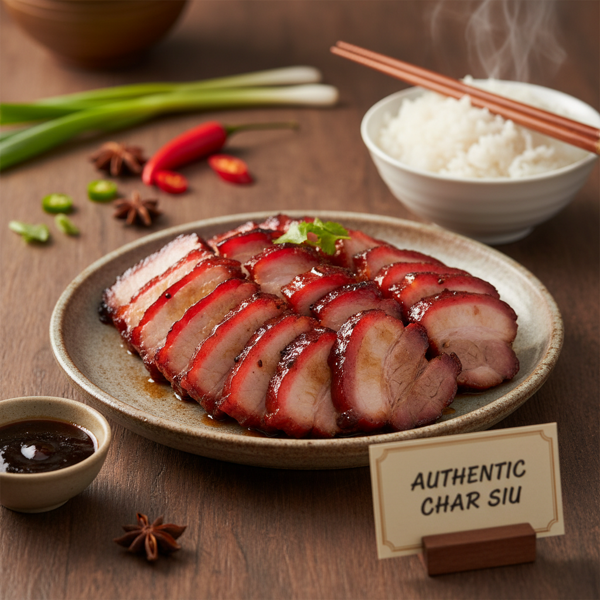
Experience the rich flavors of traditional Chinese Char Siu, a beloved dish characterized by its sweet and savory glaze that caramelizes beautifully during cooking. This recipe, inspired by the classic technique, focuses on achieving a tender, juicy pork butt that's marinated in a flavorful blend of soy sauce, hoisin, and a touch of honey. Once cooked, it's broiled to perfection for a lovely mahogany finish. Serve it over fluffy rice alongside fresh vegetables for a complete meal, and don't forget that delicious leftover pork can add a delightful twist to your fried rice. Perfect for family dinners or impressing guests!
N/A
Servings
N/A
Calories
12
Ingredients

Ingredients
Boneless pork butt
4 lb (cut into 8 strips)
Sugar
1/2 cup (none)
Soy sauce or low sodium soy sauce
1/2 cup (none)
Hoisin sauce
6 tablespoons (none)
Dry sherry
1/4 cup (none)
White pepper
1/4 teaspoon (none)
Five-spice powder
1 teaspoon (none)
Sesame oil
1 tablespoon (none)
Grated fresh ginger
2 tablespoons (grated)
Garlic cloves
2 medium (minced)
Ketchup
1/4 cup (none)
Honey
1/3 cup (none)
Instructions
1
Begin by cutting the pork butt in half lengthwise. Rotate each half so the cut side faces up, and slice each half into 4 equal strips (you'll have 8 strips total). Trim away any excess hard, waxy fat while ensuring some fat remains to render during cooking.
2
Using a fork, prick each piece of pork thoroughly on all sides. Place the pork strips into a large plastic zipper-lock bag.
3
In a medium bowl, combine the sugar, soy sauce, hoisin sauce, dry sherry, white pepper, five-spice powder, sesame oil, grated ginger, and minced garlic. Carefully measure out 1/2 cup of this marinade and set it aside for later use.
4
Pour the remaining marinade into the bag over the pork. Squeeze out as much air as possible and seal the bag. Allow the pork to marinate in the refrigerator for at least 30 minutes, or up to 4 hours for deeper flavor infusion.
5
While the pork marinates, mix the ketchup and honey with the reserved 1/2 cup of marinade in a small saucepan. Cook over medium heat for about 4 to 6 minutes, stirring frequently, until the mixture becomes syrupy and thick.
6
Preheat your oven to 300°F and adjust the oven rack to the middle position. Line a rimmed baking sheet with aluminum foil and place a wire rack inside. Lightly spray the rack and pan with vegetable oil to ensure easy cleanup.
7
Remove the pork from the marinade, letting any excess drip off. Arrange the pork strips on the prepared wire rack. Pour 1/4 cup of water into the bottom of the baking sheet to create steam. Cover the pork with heavy-duty aluminum foil, crimping the edges tightly to seal.
8
Bake the covered pork in the preheated oven for 20 minutes. After this time, carefully remove the foil and allow the pork to continue cooking for an additional 40 to 45 minutes, until the edges start to brown.
9
With the oven still on, switch on the broiler. Broil the pork (without using a drawer broiler) until evenly caramelized, which should take about 7 to 9 minutes. Once caramelized, remove the pan from the oven and brush the pork with half of the prepared glaze. Return the pork under the broiler until it reaches a deep mahogany color, approximately 3 to 5 minutes. Watch closely to prevent burning.
10
Using tongs, flip the pork, and broil the other side until caramelized, taking another 7 to 9 minutes. Brush with the remaining glaze and broil until this side also achieves a deep mahogany color, about 3 to 5 minutes.
11
Once cooked, allow the pork to cool for at least 10 minutes before slicing into thin strips. Serve warm over rice with your choice of vegetables.
Nutrition Information
Frequently Asked Questions
Frequently Asked Questions
What is Char Siu?
Char Siu is a traditional Chinese barbecued pork dish known for its sweet and savory glaze and beautiful mahogany finish.
What cut of meat is best for this Char Siu recipe?
This recipe uses a 4 lb boneless pork butt, which provides a tender and juicy result.
How should the pork be prepared before marinating?
Cut the pork butt into 8 equal strips and prick each piece thoroughly on all sides with a fork to help the marinade penetrate.
What ingredients are in the marinade?
The marinade consists of sugar, soy sauce, hoisin sauce, dry sherry, white pepper, five-spice powder, sesame oil, grated ginger, and minced garlic.
How long should the pork marinate?
The pork should marinate for at least 30 minutes, but for a deeper flavor infusion, you can marinate it for up to 4 hours.
How do I make the Char Siu glaze?
Mix ketchup and honey with 1/2 cup of the reserved marinade and cook in a saucepan over medium heat until thick and syrupy.
What is the recommended oven temperature?
The oven should be preheated to 300 degrees Fahrenheit for the baking portion of the recipe.
Why do I need to add water to the baking sheet?
Adding 1/4 cup of water to the bottom of the baking sheet creates steam, which helps keep the pork moist while it bakes.
How long does the pork bake in the oven?
The pork bakes covered for 20 minutes, then uncovered for an additional 40 to 45 minutes.
When do I start broiling the pork?
Switch to the broiler once the pork edges start to brown after the initial baking period.
How many times is the glaze applied?
The glaze is applied twice: once to the first side during broiling, and again after flipping the pork to the second side.
What color should the finished Char Siu be?
The pork should achieve a deep mahogany color and a caramelized finish.
How long should the pork rest before slicing?
Allow the pork to cool and rest for at least 10 minutes before slicing it into thin strips.
What can I serve with Char Siu?
Char Siu is traditionally served over fluffy rice with a side of fresh vegetables.
Can I use leftover Char Siu for other dishes?
Yes, leftover pork is a delicious addition to fried rice.
How many ingredients are required for this recipe?
The recipe requires 12 main ingredients.
Is five-spice powder necessary?
Yes, five-spice powder is essential for achieving the authentic flavor profile of Chinese barbecued pork.
Can I use low-sodium soy sauce?
Yes, the recipe allows for the use of either regular soy sauce or a low-sodium version.
How do I prevent the pork from burning under the broiler?
Watch the pork closely during the 3 to 5 minute broiling intervals to ensure it caramelizes without burning.
Do I need to trim the fat from the pork butt?
You should trim away excess hard, waxy fat, but leave some fat on the meat to render during the cooking process.
What is the purpose of the dry sherry in the marinade?
Dry sherry adds depth of flavor and acidity to the marinade, helping to tenderize the meat.
What equipment is needed to bake the pork?
You will need a rimmed baking sheet lined with foil and a wire rack to allow heat to circulate around the meat.
How many strips of pork does this recipe produce?
The 4 lb pork butt is sliced into 8 equal strips.
Can I skip the pricking step?
It is not recommended to skip pricking, as it ensures the marinade flavors penetrate the dense pork butt meat.
What role does honey play in the glaze?
Honey provides sweetness and helps the glaze achieve a sticky, glossy texture that caramelizes well.
Is ginger used fresh or dried?
This recipe calls for 2 tablespoons of freshly grated ginger.
Should I use a specific type of garlic?
The recipe specifies using 2 medium cloves of minced garlic.
Can I use a drawer broiler?
The instructions recommend broiling on the main oven rack rather than using a drawer broiler for better visibility and control.
Is the pork cooked covered or uncovered?
The pork starts covered with heavy-duty foil for the first 20 minutes of baking and is then uncovered for the remainder of the time.
What kind of pepper is used?
The recipe uses 1/4 teaspoon of white pepper for a subtle, earthy heat.