Artisan French-Style Pizza Crust
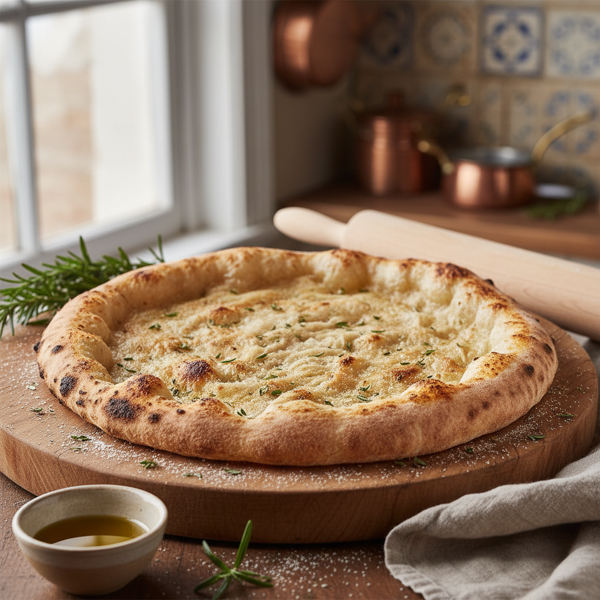
Elevate your pizza night with this artisan French-style pizza crust that combines a crispy exterior with a tender, airy interior. This homemade dough is a labor of love, perfect for crafting your favorite pizza masterpieces from classic margherita to gourmet toppings. With its simple ingredients and easy steps, this recipe promises to deliver a delightful culinary experience that your family will cherish. Don't forget to pair it with your choice of sauce, savory cheeses, and an array of toppings to make each pizza unique. Enjoy the satisfying achievement of creating restaurant-quality pizzas right in your own kitchen!
16
Servings
225
Calories
7
Ingredients
Ingredients
dry yeast
2 (1/4 ounce) packages (Keep dry until ready to use.)
lukewarm water
3 1/2 cups (Ensure water is lukewarm for activating yeast.)
sugar
1 tablespoon (Add to water for yeast activation.)
flour
9 cups (Measured and divided for dough mixing.)
salt
1 tablespoon (Mix into dough.)
cornmeal
to taste (Sprinkle on edges of dough for texture (optional).)
olive oil
as needed (For oiling the bowl and optional brushing on the crust.)
Instructions
1
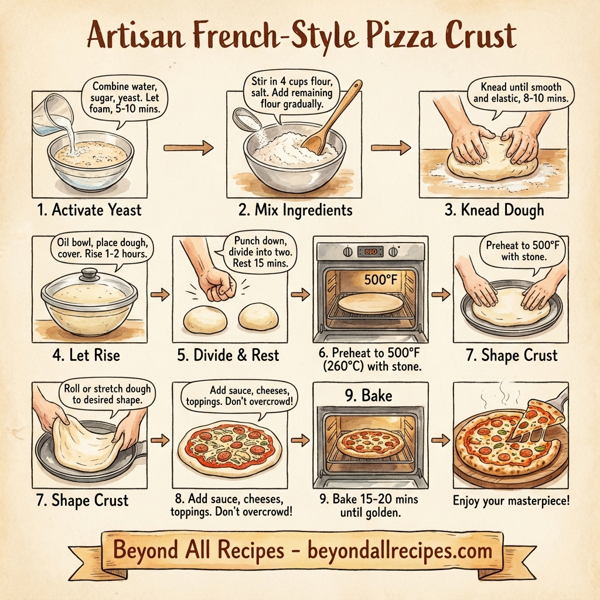
In a large mixing bowl, combine lukewarm water and sugar. Sprinkle the dry yeast over the top and let it sit for about 5-10 minutes until foamy, indicating that the yeast is activated.
2
Stir in 4 cups of flour and the salt, mixing well with a wooden spoon until incorporated.
3
Gradually add the remaining flour, one cup at a time, mixing until the dough begins to pull away from the sides of the bowl.
4
Turn the dough out onto a floured surface and knead it until it is smooth and elastic, about 8-10 minutes.
5
Lightly oil a large bowl with olive oil and place the kneaded dough inside. Cover it with a damp cloth and let it rise in a warm place until it has doubled in size, about 1-2 hours.
6
Once the dough has risen, punch it down to release the air, then divide it into two equal portions. Let the portions rest for 15 minutes to relax the gluten.
7
Preheat your oven to a high temperature of 500°F (260°C). If using a pizza stone, place it in the oven to heat while you prepare the crust.
8
Roll out each portion of dough on a floured surface or gently use your hands to stretch it into the desired shape and thickness.
9
Transfer the rolled out dough to pizza pans or a floured surface. Optionally, sprinkle the edges with cornmeal for added texture.
10
Spread your favorite pizza sauce evenly over the crust, leaving a small border around the edges. Add cheeses and toppings of your choice.
11
Bake in the preheated oven for 15-20 minutes or until the cheese is bubbly and the edges of the crust are golden brown. For the best results, ensure toppings do not overcrowd the center, allowing for even cooking.
Nutrition Information
1.25g
Fat
45g
Carbs
7.5g
Protein
Frequently Asked Questions
Frequently Asked Questions
What is Artisan French-Style Pizza Crust?
It is a homemade pizza dough designed to have a crispy exterior and a tender, airy interior, suitable for a variety of toppings.
How long does it take for the yeast to activate?
The dry yeast should sit in lukewarm water and sugar for about 5 to 10 minutes until it becomes foamy.
What is the ideal water temperature for this recipe?
The water should be lukewarm to properly activate the yeast without killing it.
How much flour is required for the dough?
The recipe calls for a total of 9 cups of flour, added in stages.
When should the salt be added?
Stir the salt in with the first 4 cups of flour after the yeast has been activated.
How many packages of yeast are needed?
You will need two 1/4 ounce packages of dry yeast.
How long should I knead the pizza dough?
The dough should be kneaded on a floured surface for approximately 8 to 10 minutes until it is smooth and elastic.
What is the recommended rising time for the dough?
The dough should rise in a warm place for 1 to 2 hours.
How do I know when the dough has finished rising?
The dough is ready when it has doubled in size.
Should the rising bowl be oiled?
Yes, lightly oil a large bowl with olive oil before placing the kneaded dough inside to rise.
How many pizzas does this recipe make?
The dough is divided into two equal portions, which can make two large pizzas.
Why should the dough rest for 15 minutes after being divided?
Resting the dough allows the gluten to relax, making it easier to stretch or roll out.
What oven temperature is required for baking?
Preheat your oven to a high temperature of 500 degrees Fahrenheit (260 degrees Celsius).
Is a pizza stone necessary for this recipe?
While not strictly necessary, using a preheated pizza stone is recommended for the best crust texture.
How should I shape the crust?
You can use a rolling pin on a floured surface or gently use your hands to stretch the dough into your desired shape.
What can I use to add extra texture to the crust edges?
You can optionally sprinkle the edges of the dough with cornmeal.
How much sugar is in the dough recipe?
The recipe uses 1 tablespoon of sugar to help activate the yeast.
How long does the pizza need to bake?
Bake the pizza for 15 to 20 minutes.
How do I know when the pizza is fully cooked?
The pizza is done when the cheese is bubbly and the edges of the crust have turned golden brown.
What is the total serving size for this recipe?
This recipe yields approximately 16 servings.
How many calories are in one serving of the crust?
Each serving contains 225 calories.
What is the fat content of this pizza crust?
The crust contains 1.25g of fat per serving.
How much protein is in each serving?
There are 7.5g of protein per serving.
What is the carbohydrate count per serving?
Each serving contains 45g of carbohydrates.
Is this recipe low in cholesterol?
Yes, this recipe is tagged as a low cholesterol food option.
What kind of oil should be used?
Olive oil is used for oiling the bowl and can optionally be brushed onto the crust.
How should toppings be arranged for best results?
Ensure toppings do not overcrowd the center to allow for even cooking of the crust.
Can I use this dough for gourmet pizzas?
Yes, the artisan nature of the crust makes it perfect for both classic and gourmet toppings.
Should the dough be covered while rising?
Yes, cover the bowl with a damp cloth to keep the dough moist while it rises.
What should I do after the dough has doubled in size?
Punch the dough down to release the air before dividing it into portions.