Amish Cornmeal Delight
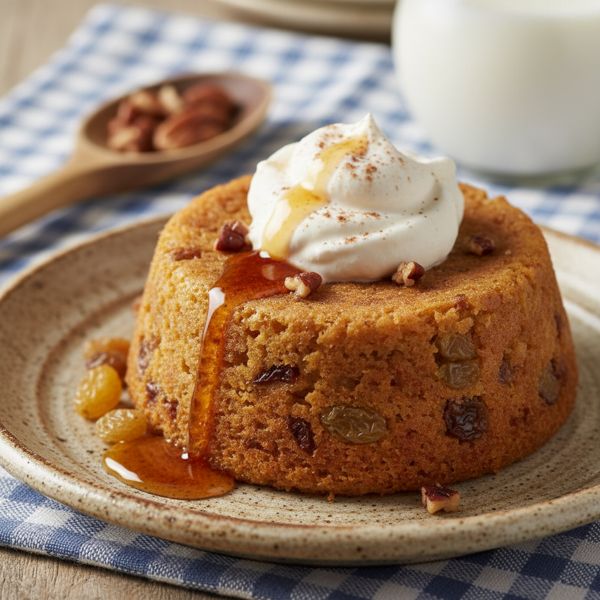
This traditional Amish Cornmeal Mush is a cherished comfort food in Lancaster County, perfect for breakfast or a hearty snack. Served warm, you can choose to pair it with either sweet maple syrup or tangy ketchup, or indulge in the simplicity of just milk or browned butter right after cooking. For those who prefer a firmer texture, let the mush cool in a loaf pan, slice it, and fry the pieces until they are golden brown and crispy on both sides. It’s a versatile dish that captures the essence of Amish cooking—simple, wholesome, and utterly delicious. Enjoy it with eggs for a complete breakfast or savor it alone; this recipe will soon become a staple in your kitchen!
N/A
Servings
N/A
Calories
4
Ingredients
Ingredients
water
3 cups (None)
cornmeal
1 cup (None)
salt
1 teaspoon (None)
butter
for frying (Melt in skillet)
Instructions
1
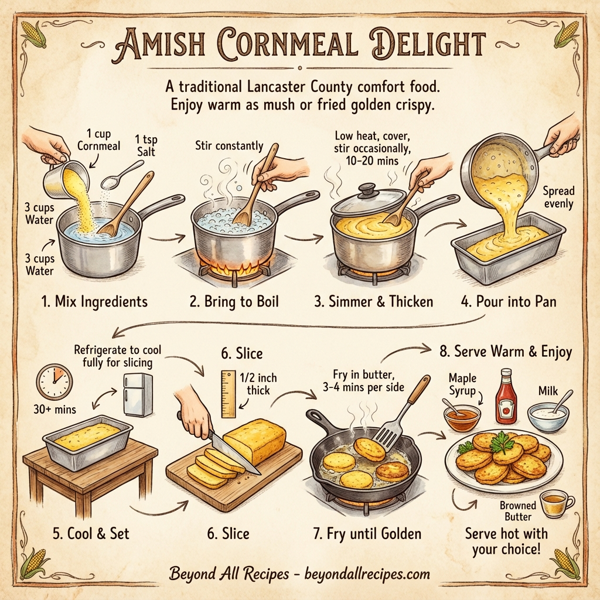
In a medium-sized saucepan, combine 3 cups of water, 1 cup of cornmeal, and 1 teaspoon of salt. Mix until well blended.
2
Place the saucepan over medium-high heat and bring the mixture to a boil, stirring constantly to prevent lumps from forming.
3
Once boiling, reduce the heat to low, cover the saucepan, and let it simmer for 10 to 20 minutes. Stir occasionally until the mixture thickens to a creamy consistency.
4
Remove from heat and carefully pour the mixture into a loaf pan. Spread evenly to ensure it sets properly.
5
Allow the mush to cool in the pan for at least 30 minutes. For slicing, refrigerate until fully cooled.
6
Once cooled, cut the cornmeal mush into thin slices (about 1/2 inch thick).
7
In a skillet over medium heat, melt some butter and fry the slices until they are golden brown and crispy on both sides, approximately 3-4 minutes per side.
8
Serve hot with your choice of syrup, ketchup, milk, or browned butter.
Nutrition Information
Frequently Asked Questions
Frequently Asked Questions
What is Amish Cornmeal Delight?
Amish Cornmeal Delight, also known as Cornmeal Mush, is a traditional comfort food from Lancaster County often served for breakfast or as a snack.
What are the primary ingredients needed?
The recipe requires 3 cups of water, 1 cup of cornmeal, 1 teaspoon of salt, and butter for frying.
How do I prevent lumps from forming in the cornmeal?
To prevent lumps, you should stir the mixture constantly while bringing it to a boil over medium-high heat.
How long should the cornmeal mixture simmer?
The mixture should simmer on low heat, covered, for 10 to 20 minutes until it reaches a creamy consistency.
What kind of pan should I use to set the mush?
You should pour the cooked mixture into a loaf pan to allow it to set into a sliceable shape.
How long does the mush need to cool before slicing?
It should cool in the pan for at least 30 minutes, though refrigerating it until fully cooled is best for clean slicing.
How thick should I cut the slices for frying?
The cornmeal mush should be cut into thin slices approximately 1/2 inch thick.
What is the best way to fry the cornmeal slices?
Melt butter in a skillet over medium heat and fry the slices until they are golden brown and crispy on both sides.
How long does it take to fry each slice?
Each side typically takes about 3 to 4 minutes to become golden and crispy.
What are some sweet serving suggestions?
Common sweet toppings include maple syrup or simply serving it with milk.
Is there a savory way to serve Amish Cornmeal Mush?
Yes, it is traditionally served with tangy ketchup or browned butter for a savory flavor profile.
Can I eat the cornmeal mush without frying it?
Yes, you can enjoy it warm and creamy immediately after cooking with milk or browned butter.
Is this recipe suitable for breakfast?
Absolutely, it is a staple breakfast dish in Lancaster County and pairs excellently with eggs.
What region is this recipe associated with?
This recipe is a traditional dish from the Amish community in Lancaster County.
How many ingredients are in this recipe?
There are 4 main ingredients: water, cornmeal, salt, and butter.
Should the saucepan be covered while simmering?
Yes, you should cover the saucepan while the cornmeal simmers on low heat.
What consistency should the mush have after simmering?
It should thicken to a creamy consistency similar to a thick porridge.
What is the purpose of the salt in this recipe?
One teaspoon of salt is used to season the cornmeal and enhance the overall flavor of the dish.
Can I prepare this dish in advance?
Yes, you can cook the mush and let it set in the refrigerator overnight before slicing and frying the next day.
Is the texture of the fried version different from the freshly cooked version?
Yes, the fried version provides a contrast between a crispy exterior and a soft, warm interior.
What heat setting is used for boiling the water and cornmeal?
Use medium-high heat to bring the initial mixture to a boil.
How do I ensure the mush sets properly in the loaf pan?
Spread the mixture evenly in the pan and allow it to cool completely to ensure it holds its shape.
Is this a budget-friendly recipe?
Yes, it uses very simple and inexpensive pantry staples like cornmeal and water.
Can I use something other than butter for frying?
While butter is traditional for flavor, you could use other cooking oils if preferred.
What does 'browned butter' add to the dish?
Browned butter adds a rich, nutty flavor that complements the simplicity of the cornmeal.
Is this recipe considered a 'versatile dish'?
Yes, because it can be served sweet or savory, and either creamy or fried.
What is the total cook time for the simmering process?
The simmering process takes between 10 and 20 minutes.
How many servings does this recipe make?
While not explicitly stated, using 1 cup of cornmeal and 3 cups of water typically serves 3 to 4 people.
Does the mush need to be stirred during simmering?
Yes, you should stir it occasionally while it simmers to ensure even thickening.
Is this a traditional Amish recipe?
Yes, it is a cherished and wholesome staple of traditional Amish cooking.